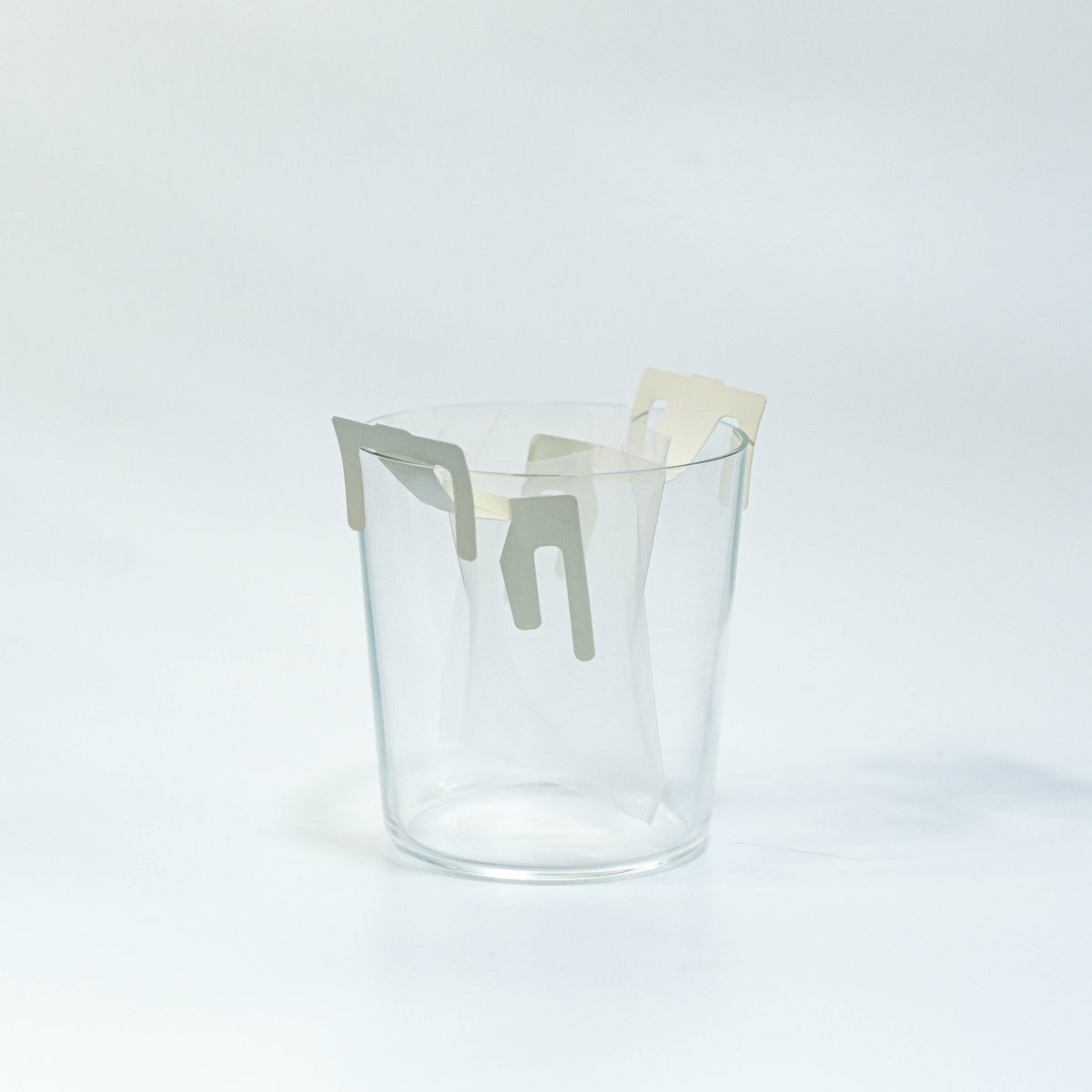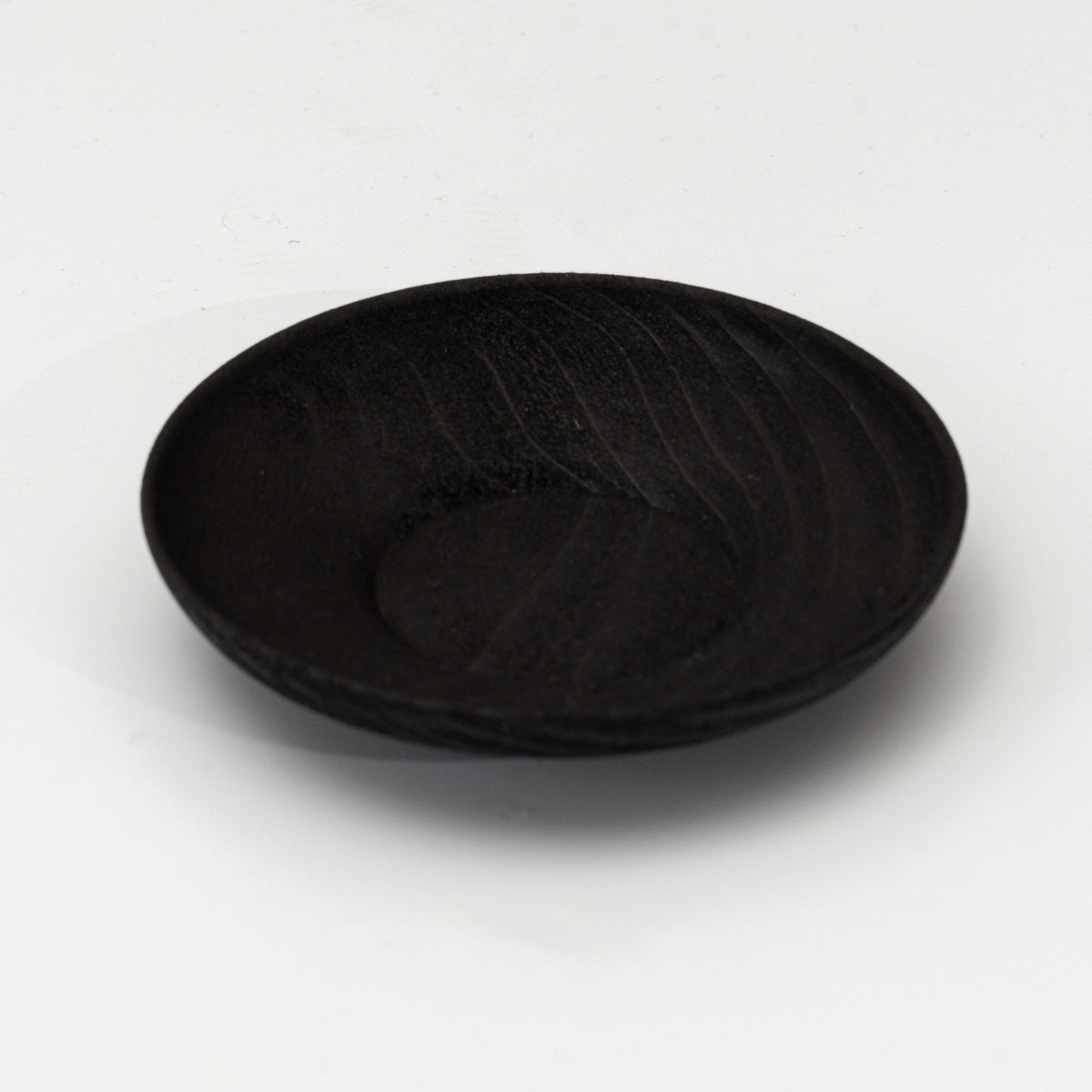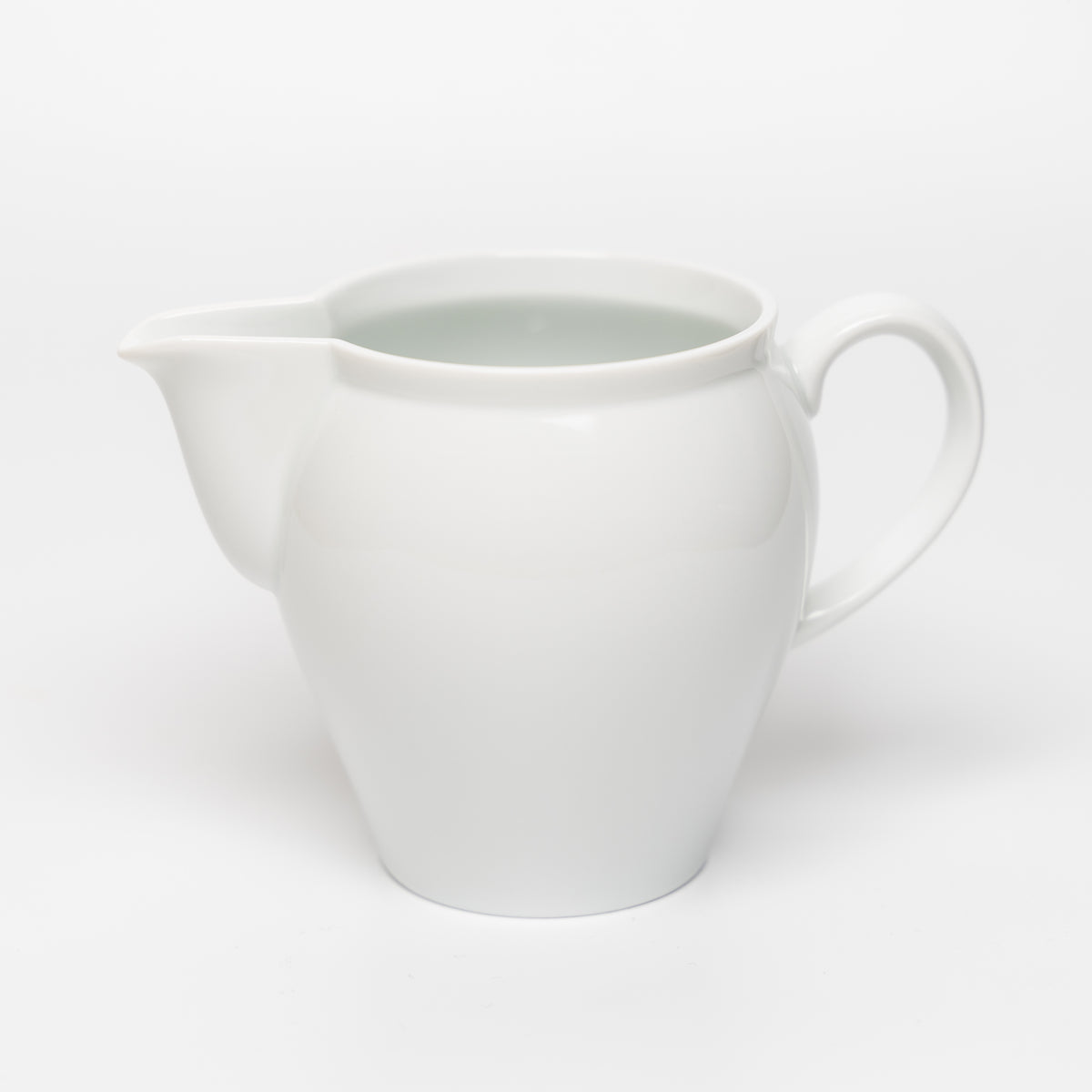

The tools look modest when they are laid out together: a bamboo Matcha whisk, or chasen, beside a wide Matcha bowl, or chawan; a small scoop; a fine sieve; a holder waiting to dry the tines back into shape. No machinery. No electronics. Just a few objects sized to the hand and the bowl. This is where good Matcha begins.
A useful Matcha set does not need to be expensive, but it does need to suit the tea. The right whisk, the right bowl, and one or two supporting Matcha tools will save you more frustration than any premium tin of powder. Our team tends to think about teaware the same way we think about tea itself: buy for function first, then for beauty. The bowl should make whisking easier. The whisk should suit the kind of foam you want. The rest should earn its place.
The Matcha whisk, and why bamboo matters
A chasen is the bamboo whisk made specifically for Matcha, and bamboo matters because its fine, flexible tines create the smooth suspension and delicate foam this tea needs. If you buy only one real Matcha tool, make it this one. Matcha is a powder, not a leaf, so the drink depends on suspension and texture. The whisk is what turns bright green water and sifted powder into something creamy, even, and alive on the surface.

Why bamboo makes a better whisk
Bamboo works because it flexes. Each tine bends slightly as you move across the bowl, then springs back, pushing air into the liquid in many quick, light contacts rather than in a few heavy strokes. That is what creates the fine foam people look for in good usucha. A metal frother can certainly mix Matcha, but it usually makes larger bubbles, harsher agitation, and a rougher surface. The tea becomes mixed, yes, but not refined in the same way.
Bamboo is also gentler on the bowl. The tips glide across ceramic without scratching it, and because the tines are thin, they can reach into the slight curve at the bottom of a proper Matcha bowl. That matters more than it sounds. Good Matcha is not only about flavor. It is also about how evenly the powder meets the water. A chasen is built for that exact job.
When people ask us what the best Matcha whisk is, the answer is usually not the rarest or the most expensive one. The best Matcha whisk is the one that matches your daily bowl. For most home drinkers making usucha, that means a bamboo whisk from a reliable maker, cleanly cut, with evenly spaced tines and no rough finishing around the handle.
Choosing tine count
Tine count changes how the whisk behaves. An 80-tine chasen, often called hachijuppondate, is the standard middle ground. It makes good foam, feels sturdy in the hand, and has enough resilience for daily use. If you want one whisk to learn on and keep using after the beginner phase, 80 tines is an easy recommendation.
A 100-tine whisk gives you a slightly finer, softer foam and is often easier for beginners because the extra tines help gather air quickly. If you are still learning how to use a Matcha whisk, this is often the friendliest option. The tea comes together fast, and the surface usually looks more even with less effort. A 120-tine whisk can make even finer foam, but it is more delicate and less forgiving in day-to-day use. Beautiful when treated carefully. Not always the first whisk we suggest.
Coarse-tine whisks are different again. These are the styles often described as araho, made for koicha, the thick preparation of Matcha. Fewer tines. More stiffness. They are designed to knead thick tea into a smooth, glossy texture rather than to whip air into it. If you mainly drink usucha, they are not the place to start. If you are preparing koicha with high-grade Matcha, they make sense.
That is the broader rule. Choose the whisk for the bowl you plan to make, not for abstract prestige. Daily drinkers usually do best with 80 or 100 tines. Koicha drinkers need a different tool. Collectors can branch out later.
Care, soaking, and lifespan
A chasen needs a little care before it ever touches Matcha. Soak the tines briefly in warm water before use. Thirty seconds is enough. Dry bamboo is brittle, and using the whisk straight from the shelf makes breakage much more likely. That short soak softens the bamboo, opens the tines slightly, and makes the first strokes smoother.
After whisking, rinse the whisk under running water. No soap. No dishwasher. Then place it on a whisk holder called kusenaoshi, which keeps the tines spread in their natural curve as they dry. Without a holder, the center can collapse inward, the tips start to curl, and even a good whisk loses its lift faster than it should. With daily use, expect roughly 3 to 6 months before the tines lose their shape or begin to break. If you want to see the motion itself, our guide on how to whisk Matcha shows how the whisk is meant to move in the bowl.
The Matcha bowl, more than a cup
The bowl matters almost as much as the whisk. A proper chawan, the wide bowl used for Matcha, is shaped around motion: enough width for the wrist, enough depth to keep the tea contained, and a soft curve at the bottom so the powder and water gather cleanly. Once you use one, it becomes obvious why a regular mug feels wrong.

How bowl shape affects your whisk
Width is the first thing to look for in a Matcha bowl. When you whisk Matcha correctly, the movement is quick and mostly horizontal, a narrow back-and-forth pattern near the surface. A narrow cup forces the whisk upward and into the walls. The tines catch. Foam breaks unevenly. The whole bowl becomes awkward.
The curved bottom matters just as much. Matcha powder likes to settle into corners, and flat-bottomed vessels make you chase it around with the whisk. A rounded interior keeps the powder moving back toward the center, where it can dissolve and suspend more evenly. That is one reason a good chawan makes smoother Matcha even when the tea, water, and whisk are exactly the same.
This is why we hesitate when we see bowls marketed as Matcha bowls but shaped like ordinary cups. The word alone does not help if the form is too narrow or too deep. A good beginner bowl does not need to be expensive or ceremonial in the formal sense. It just needs room. Wide mouth, curved bottom, comfortable hand feel.
Material, size, and what beginners should buy
Ceramic and stoneware are traditional for a reason. They hold warmth well, feel steady in the hand, and give the whisk a surface that feels natural rather than brittle or slippery. Most bowls with a capacity around 300 to 400 mL work well, even though the actual Matcha inside may be only 60 to 70 mL. That extra empty space is not waste. It is whisking space.
For beginners, our advice is plain: start with a simple, wide bowl you will not be afraid to use. A perfectly serviceable Matcha bowl can be modestly priced and still do the job well. Save the highly specialized tea ceremony pieces for the stage when you already know what shapes and clay bodies you like. If you are still deciding what kind of powder belongs in that bowl, our piece on choosing Matcha for straight drinking helps connect the vessel to the tea you will actually whisk.
And if you do not own a chawan yet, any wide ceramic bowl can work as a bridge. That is far better than a tall mug. Matcha asks for the right geometry more than it asks for formality.
Scoop, sifter, and holder
Once the whisk and bowl are in place, the supporting tools start to matter. Not because they make the ritual more authentic, but because each one removes a small point of friction. Better measuring. Fewer clumps. Longer whisk life. This is where a Matcha set stops being decorative and starts becoming useful.
The chashaku, a small scoop with real purpose
The chashaku is the narrow bamboo scoop traditionally used to measure Matcha. It looks delicate, but it is practical. About two scoops comes to roughly 2 grams of Matcha, which is a very standard amount for an everyday bowl of usucha. After a little repetition, the right amount becomes easy to judge by eye and hand.
Still, it is optional. A teaspoon works fine at home, especially when you are new and still learning your preferred strength. We do not think anyone should delay making Matcha because they do not own a chashaku yet. Buy it if you enjoy the feel of the traditional tool or want a more intuitive way to portion powder. Skip it for now if the budget is tight.
The Matcha sifter, the ten-second step most people skip
Fresh Matcha clumps. Old Matcha clumps. Even well-stored powder will tighten up the moment humidity gets involved. That is why a Matcha sifter is one of the smartest small purchases in the whole setup. Sifting takes about ten seconds, but it changes the bowl immediately. The powder falls into a soft, even mound, blends faster, and leaves far less grit on the tongue.
If you do not want a dedicated Matcha sifter, a fine-mesh tea strainer works well. The important thing is the mesh, not the label. What matters is breaking the powder apart before water hits it. Once clumps get wet, they become much harder to disperse cleanly. This is one of the simplest differences between a bowl that tastes smooth and one that tastes dusty.
The kusenaoshi, small tool, big savings
The whisk holder is easy to dismiss because it does nothing while you are making the tea. Its work happens after. As the whisk dries on the holder, the tines keep their open, rounded shape instead of shrinking inward. That preserves the whisk's performance and keeps the center from collapsing too early.
For people who drink Matcha often, a kusenaoshi pays for itself quickly. Without one, a whisk can lose its shape in a matter of weeks. With one, the same whisk often stays useful for months. That is not a romantic claim. Just mechanics. If you are deciding what belongs in a first full Matcha set, we would place the holder ahead of many decorative extras for that reason.
Putting it together, what to buy first
Not everyone needs the full list on day one. The right order depends on whether you are still testing the habit, replacing one worn tool, or building a dedicated corner for tea. We usually think about Matcha tools in layers.

If you buy one thing, buy the chasen. An 80-tine or 100-tine bamboo Matcha whisk changes the bowl more than any other single tool.
If you buy two things, add a wide bowl. It does not have to be a formal chawan yet; any wide ceramic bowl that gives the whisk room will work.
If you want a complete Matcha set, build around five pieces: chasen, chawan, Matcha sifter, chashaku, and kusenaoshi.
If you are budgeting, a practical starter setup often begins around $20 to $30, while higher quality handmade pieces usually land around $50 to $100 and up.
That jump in price is not only about looks. Handmade bowls can feel better balanced. Better whisks tend to have cleaner cuts and more even tines. But price alone does not guarantee usefulness. We have seen expensive bowls too narrow to whisk in and low-cost bowls that perform beautifully. Start with function, then decide how much beauty you want to live with every day.
We also think it helps to know what to avoid. Plastic whisks rarely behave like bamboo. Metal spring whisks and frothers can mix Matcha but do not replicate the same fine foam. Bowls with visibly narrow interiors, steep walls, or tiny bases are usually frustrating, even when marketed as part of a Matcha set. And if a whisk has visible glue joints, splintering bamboo, or tines cut unevenly from the start, move on.
If you want to compare shapes and materials in one place, our teaware collection gives a practical sense of what these tools look like when chosen for use rather than display. That is the standard we come back to. Can you whisk easily? Can you clean it easily? Will you actually reach for it on a weekday morning?
Taking care of your tools
Good Matcha tools are simple, but they do better when treated as working objects rather than ornaments. The chasen needs a rinse after each bowl. The chawan needs to fully dry before storage. Bamboo tools stay away from soap and heat. None of this takes long, but doing it consistently is what keeps the setup pleasant and inexpensive over time.
How to care for the whisk
Rinse the chasen with clean water as soon as you finish the bowl. Matcha dries quickly between the tines, and once it does, it is harder to remove without stressing the bamboo. Never use detergent and never put the whisk in a dishwasher. Heat and soap both shorten its life. Let it dry on the holder in open air, away from closed cupboards where moisture lingers.
Do not be alarmed when the bamboo darkens slightly with use. That change in color is normal patina, not damage. What matters is the shape of the tines and whether they still spring cleanly when you whisk.
How to care for the bowl and bamboo accessories
A Matcha bowl is easier. Hand wash it with mild soap, rinse well, and let it air dry completely before storing, especially if it is thicker pottery or stoneware. Ceramic can hold a little moisture longer than people expect, and sealing it away too early can leave it smelling stale. The same principle applies to bamboo scoops and sifters with bamboo parts: dry them fully before putting them back in a drawer.
What you want over time is not pristine perfection. It is a clean, trustworthy set of tools that feels better the more you use it. Tiny marks on the bowl, a mellow deepening of the bamboo, the slight wear of the scoop. That is ordinary use, and in tea it often looks better than untouched novelty.
When to replace a tool
Replace the whisk when the tines start breaking off, curling permanently inward, or losing enough spread that fine foam becomes difficult even with good technique. Replace a bowl only if it cracks, chips sharply at the rim, or stops being pleasant to use. Most other tools last a long time. The sifter may need refreshing if the mesh warps. The chashaku may eventually split if stored damp. But in most home setups, the whisk is the only regular consumable.
That is another reason we encourage first-time buyers to keep the setup focused. Spend on the pieces that affect the bowl. Maintain them well. Replace the whisk when needed. Everything else can grow slowly around the habit.
At FETC, we tend to think the appeal of Matcha tools lies in their restraint. A whisk, a bowl, a scoop, a sieve. Not much more. The ritual looks refined, but the logic is practical: each tool solves a problem in the bowl.
So start there. Buy a bamboo Matcha whisk and a bowl with room to move. Add the sifter when you are tired of clumps. Add the holder when you are ready to make the whisk last. Simple tools. Simple care. Enough to turn powder, water, and a quiet minute into something you will want to repeat.
Looking for a Matcha latte? See our Matcha latte recipe for step-by-step instructions. If you are still deciding between Matcha and green tea, our guide on Matcha vs green tea explains the key differences.
Frequently Asked Questions
What should we buy first for a practical Matcha setup?
We'd start with a bamboo chasen. If you can add one more piece, choose a wide ceramic bowl; a full useful set is chasen, chawan, sifter, chashaku, and kusenaoshi.
Is an 80-tine or 100-tine whisk better for beginners?
We'd choose an 80-tine chasen for sturdy daily usucha, or a 100-tine whisk for finer foam with less effort. A 120-tine whisk is finer but more delicate.
Why is bamboo preferred over metal frothers?
Bamboo tines flex across the bowl, pushing air in through many light contacts. Metal frothers can mix powder, but they tend to make larger bubbles and a rougher surface.
What bowl shape works best for Matcha?
Use a wide ceramic or stoneware bowl with a rounded bottom, often around 300-400 mL capacity. That extra space lets the whisk move quickly while the tea may be only 60-70 mL.
What beginner mistake makes Matcha clumpy or hard to foam?
Skipping the sieve or using a narrow mug causes trouble. Start with about 2 g Matcha to 60-70 mL water in a wide bowl; there is no steeping time, no °C target here, and strength is personal.