People Related to Japanese Tea | Eisai
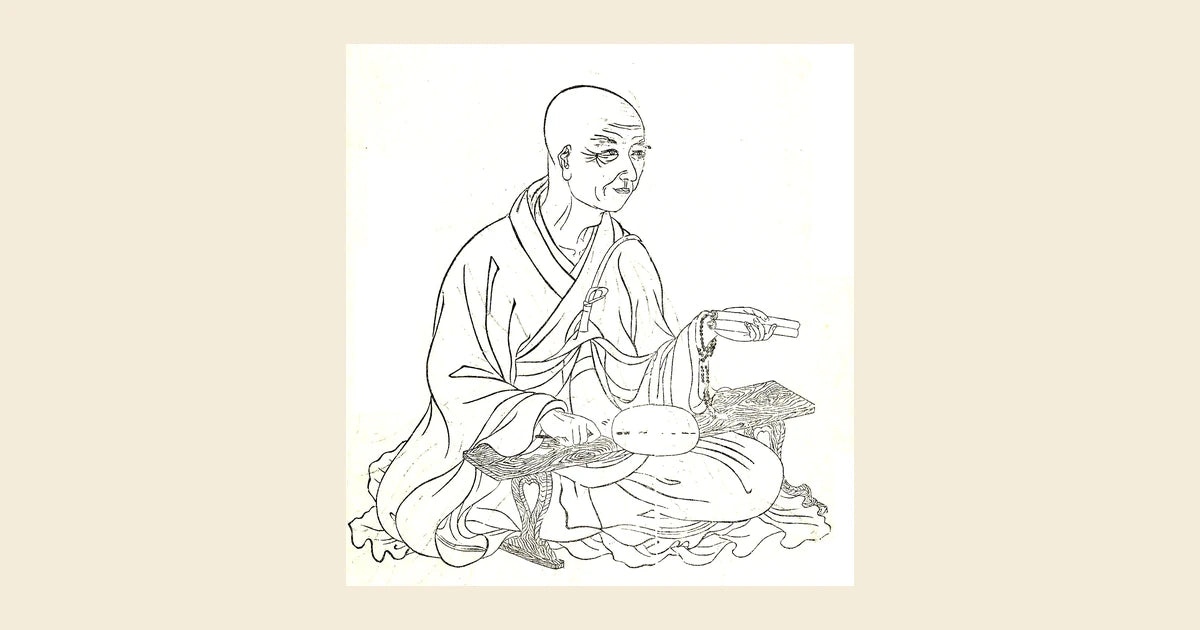
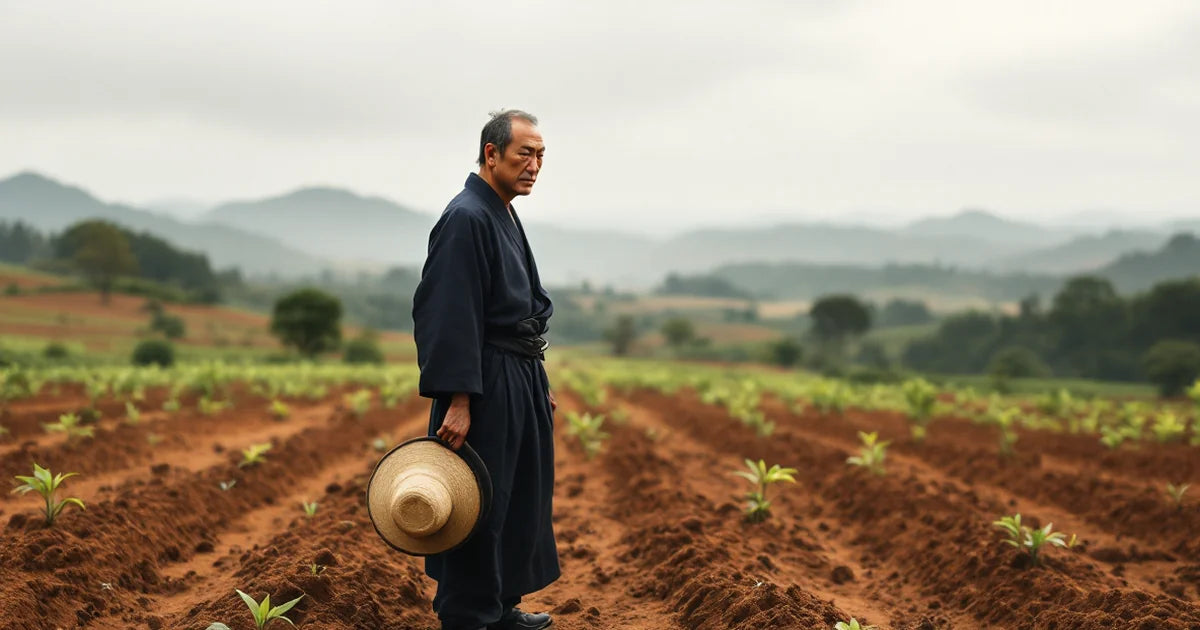
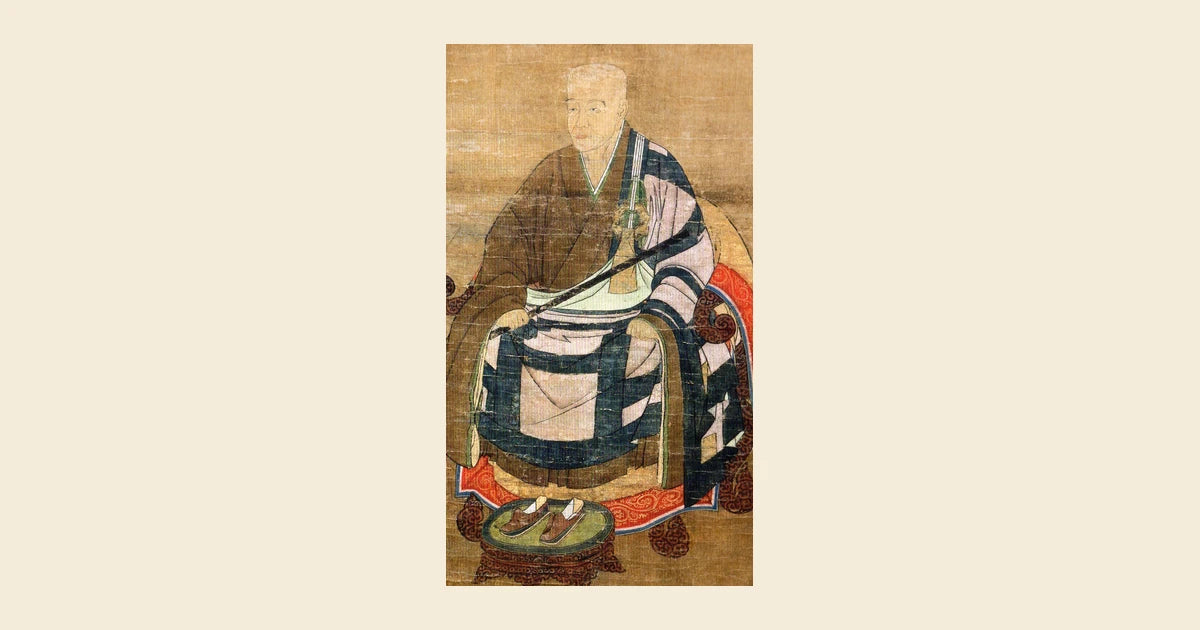
A Buddhist monk who crossed the sea to China twice, Eisai (1141–1215) returned home carrying something that would res...
Updated Sep 2026
Read
Japanese Tea Encyclopedia
12 guides
A Buddhist monk who crossed the sea to China twice, Eisai (1141–1215) returned home carrying something that would res...
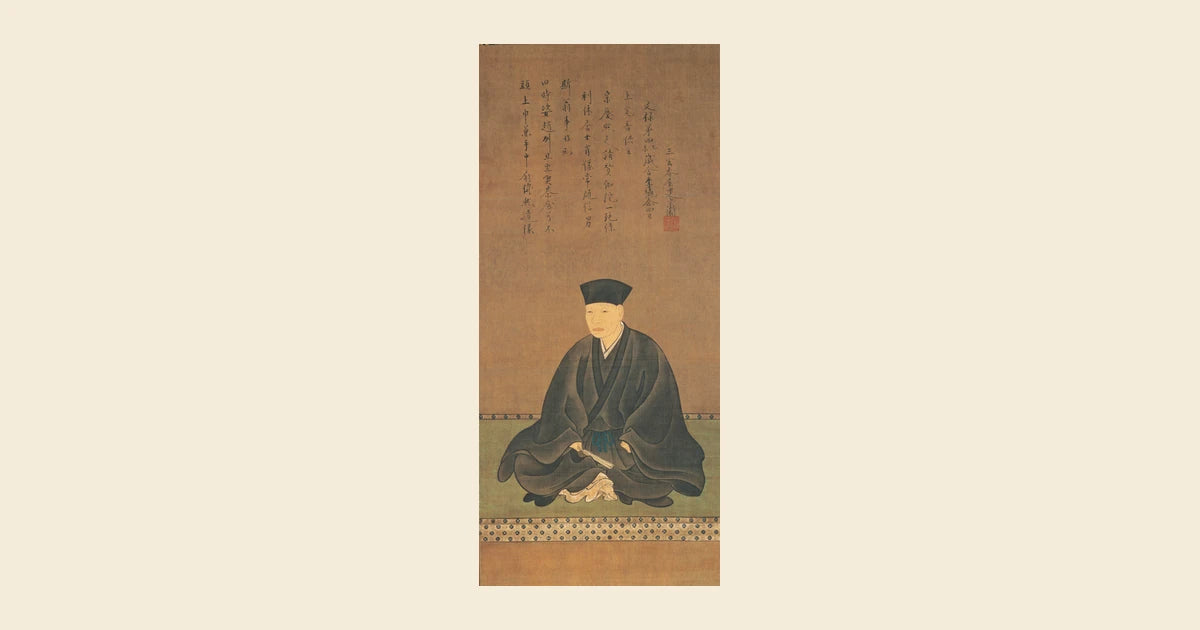
The entrance is barely two feet square. You have to crouch, remove your sword if you carry one, bow your head — and o...
Murata Juko (1422-1502), the tea master often placed at the beginning of wabi-cha, was born in Yamato Province, prese...
While Eisai brought tea to Japan, Myoe Shonin (1173-1232) planted it - first at Kozanji temple in Togano, northwest K...
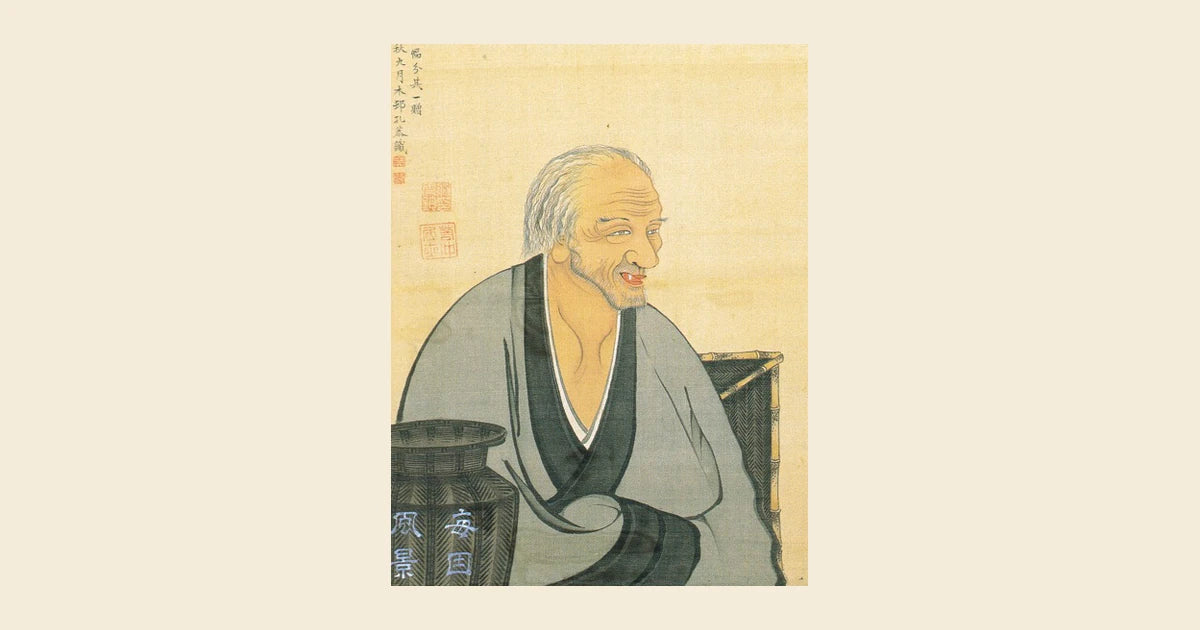
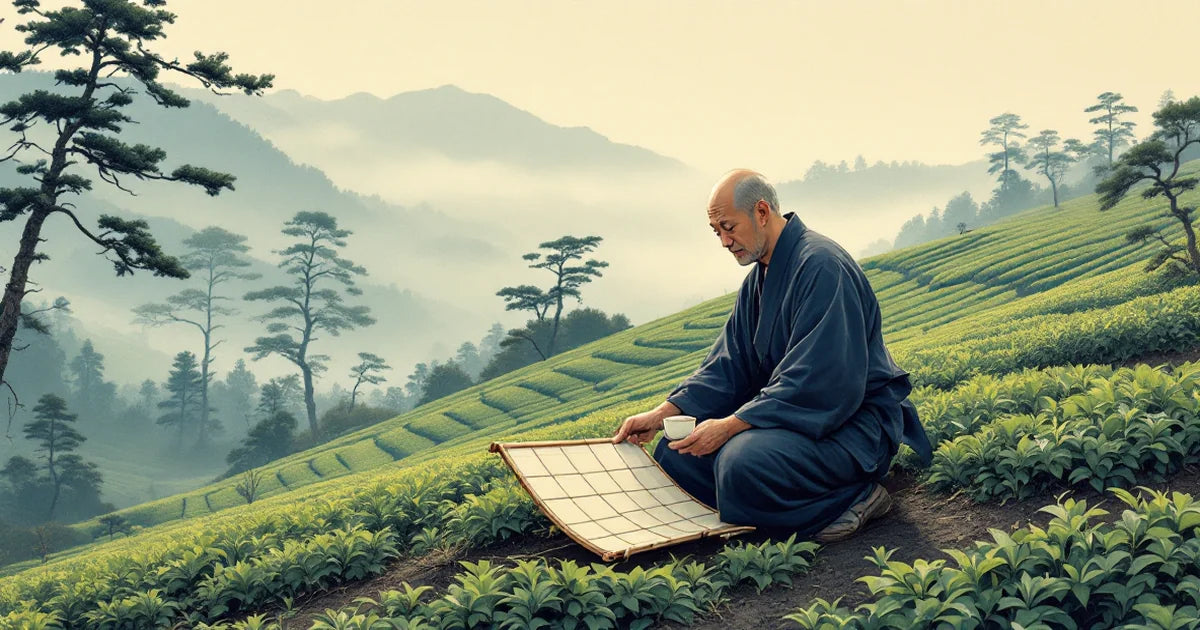
An old man carried a portable tea set to the scenic spots of Kyoto and brewed Sencha for whoever came. He charged wha...
In 1899, a Japanese businessman walked into the World Commerce Congress in Philadelphia and requested a meeting with ...
In the early Meiji period, tea production was done entirely by hand, and each artisan could roll and dry only 3 to 5 ...
Before 1738, the Sencha that common people drank was dark, rough, and dull in color — nothing like the bright green, ...
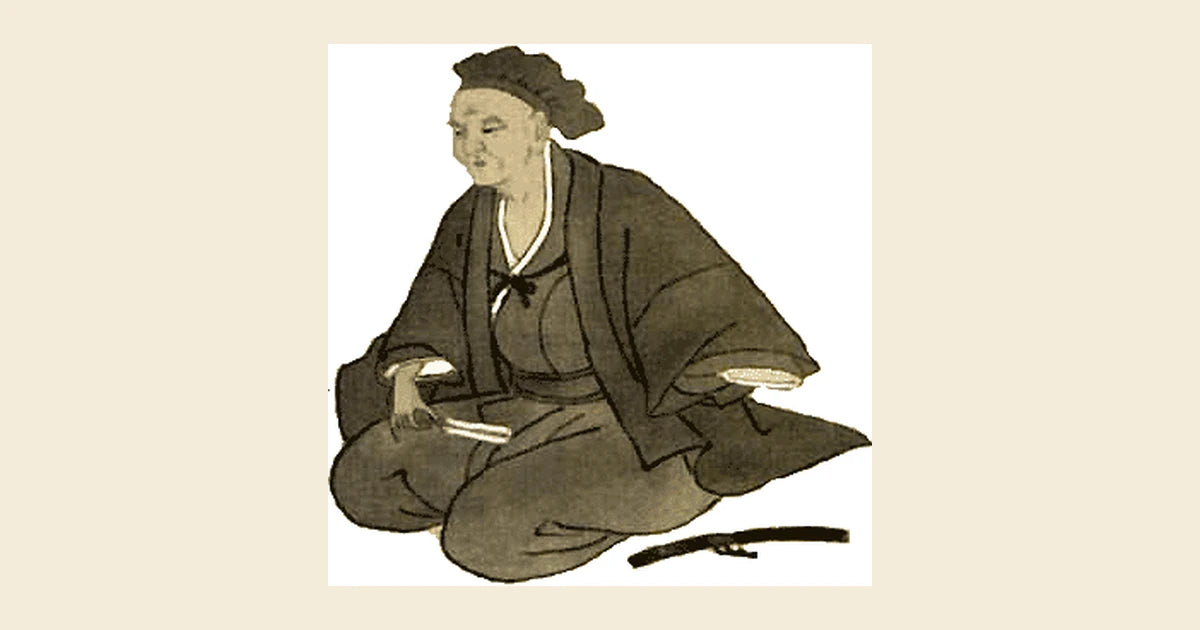
Takeno Joo (c.1502-1555) stands at the center of the wabi-cha lineage: the figure who received the aesthetic directio...
The deep-steamed Sencha from Makinohara — with its rich umami, dense green liquor, and the kind of full-bodied sweetn...
Gyokuro — Japan's most prized shade-grown tea, with its characteristic sweetness and deep umami — was not discovered ...
When you brew Japanese Sencha, there is a good chance the leaves come from Yabukita: according to the Ministry of Agr...
From reading to drinking
Handcrafted teaware from seven Japanese kilns — and the stories of the people who make it.