

Far East Tea Company
Single-origin Japanese tea.
One farm at a time.
We travel Japan's tea regions, buy directly from the growers we meet, and ship every order from Japan.
Our Approach
Why single farm. Why single cultivar.
Blending across farms is efficient. It lets producers stabilise flavour across seasons and smooth out anything inconvenient — too much astringency here, not enough sweetness there. We choose differently: every tea we carry is one grower's tea, unmixed.
Almost every tea we carry comes from a single farm and a single cultivar harvest. That means what you taste is exactly what the soil, altitude, rainfall, and the producer's hands made that year. It also means some lots are extraordinary and some are simply very good. We are fine with that.
We work directly with each producer and choose every tea ourselves — the price you pay reflects the farmer's work and nothing added. Years of doing this, the same way, have taught us that traceability is not a marketing claim. It is the only honest way to sell tea.
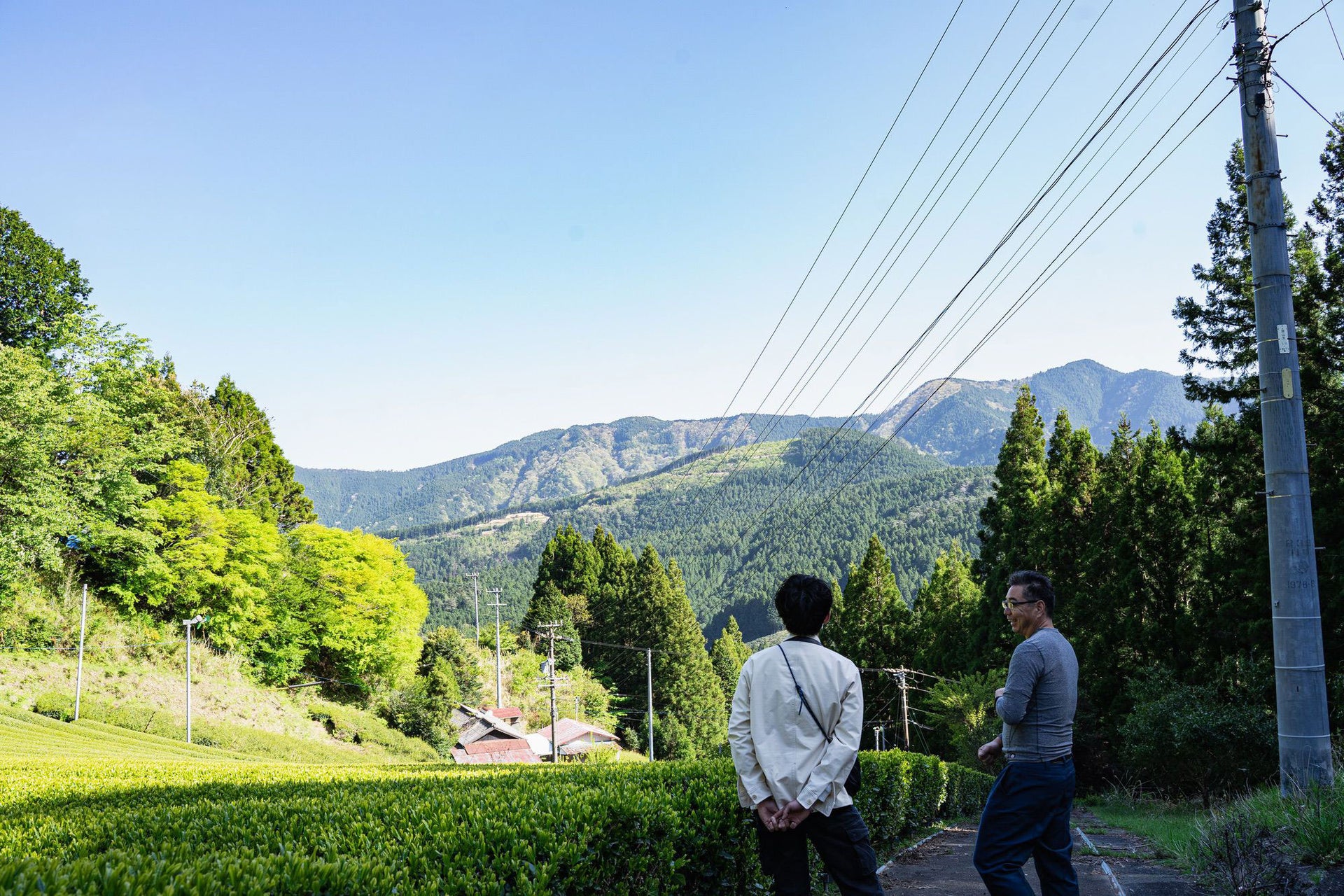
We source across many of Japan's tea-growing prefectures because flavour follows geography. A Kagoshima field at sea level produces something fundamentally different from a Shizuoka hillside at 600 metres. Limiting ourselves to one region would mean missing most of what Japanese tea can be.
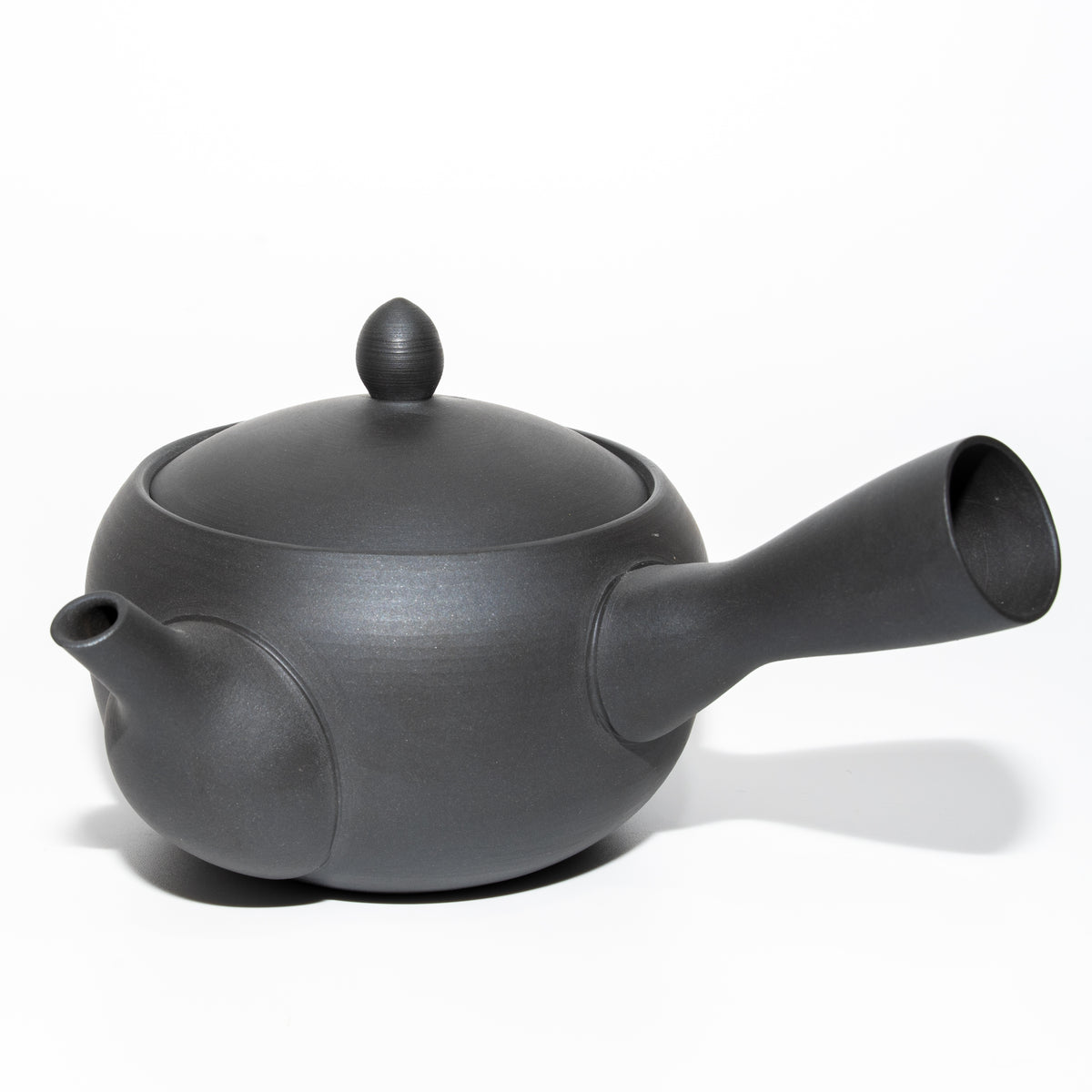
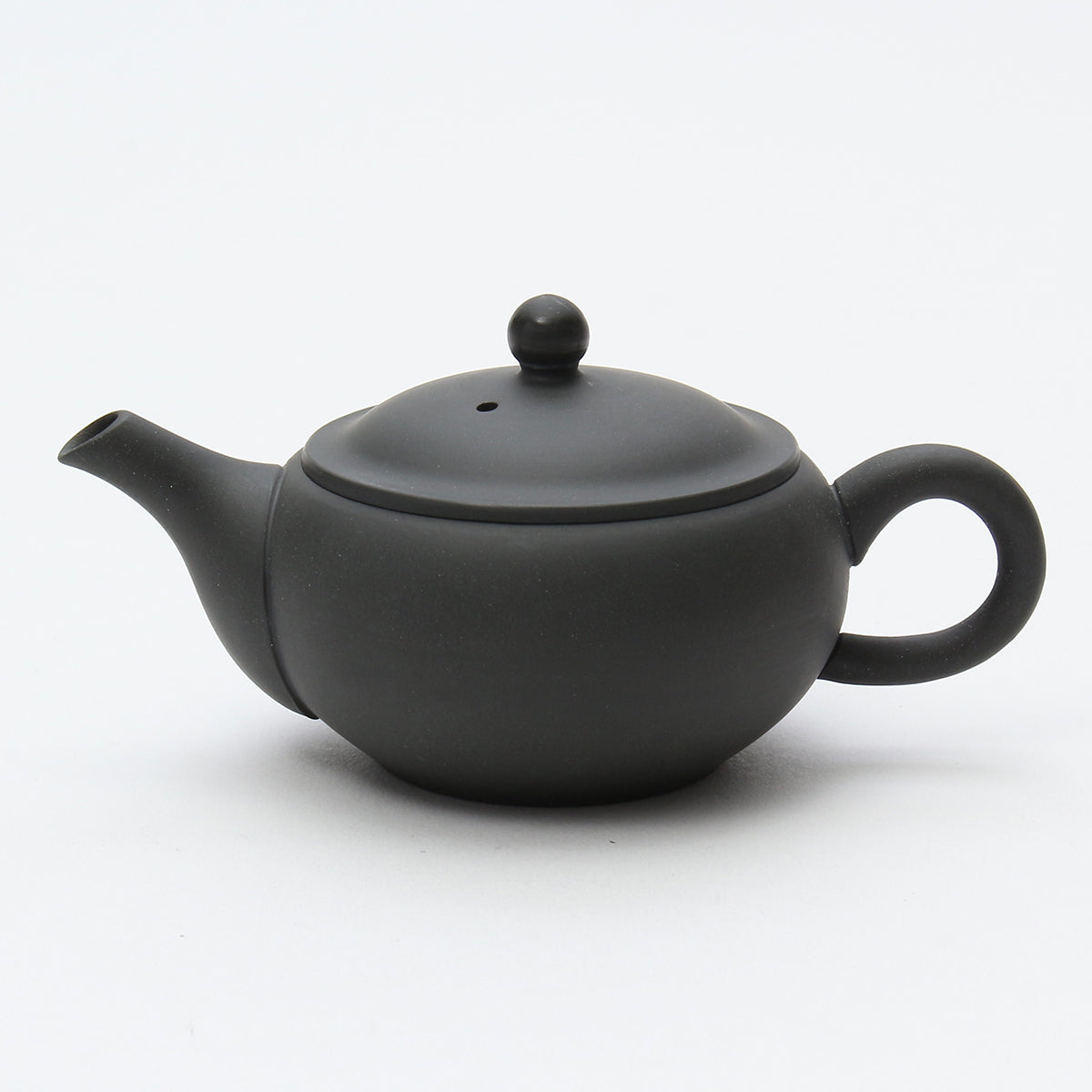
Our teaware follows the same logic. Each kiln we carry has a distinct material and tradition — and we stock only what we actually use, tested for how it changes the cup.
You'll see 1892 on our mark. It points to around when Sugiyama Hikosaburo, the breeder behind Japan's modern tea cultivars, began selecting his first varieties in a Shizuoka field. (His most famous, Yabukita, came later.) We carry the date as a tribute to that work, and as a symbol of where a tea's character really comes from: the plant, the place, and the person who selects it.
By the numbers
What sourcing directly from the farm looks like.
from farms
Cultivars
One cultivar rules Japanese tea. We chase what makes each one different.
In 2008, more than three-quarters of Japan's tea fields grew a single cultivar: Yabukita. It earned that place — dependable in the field, excellent as everyday sencha — and it still covers about two-thirds of the country's tea acreage today.
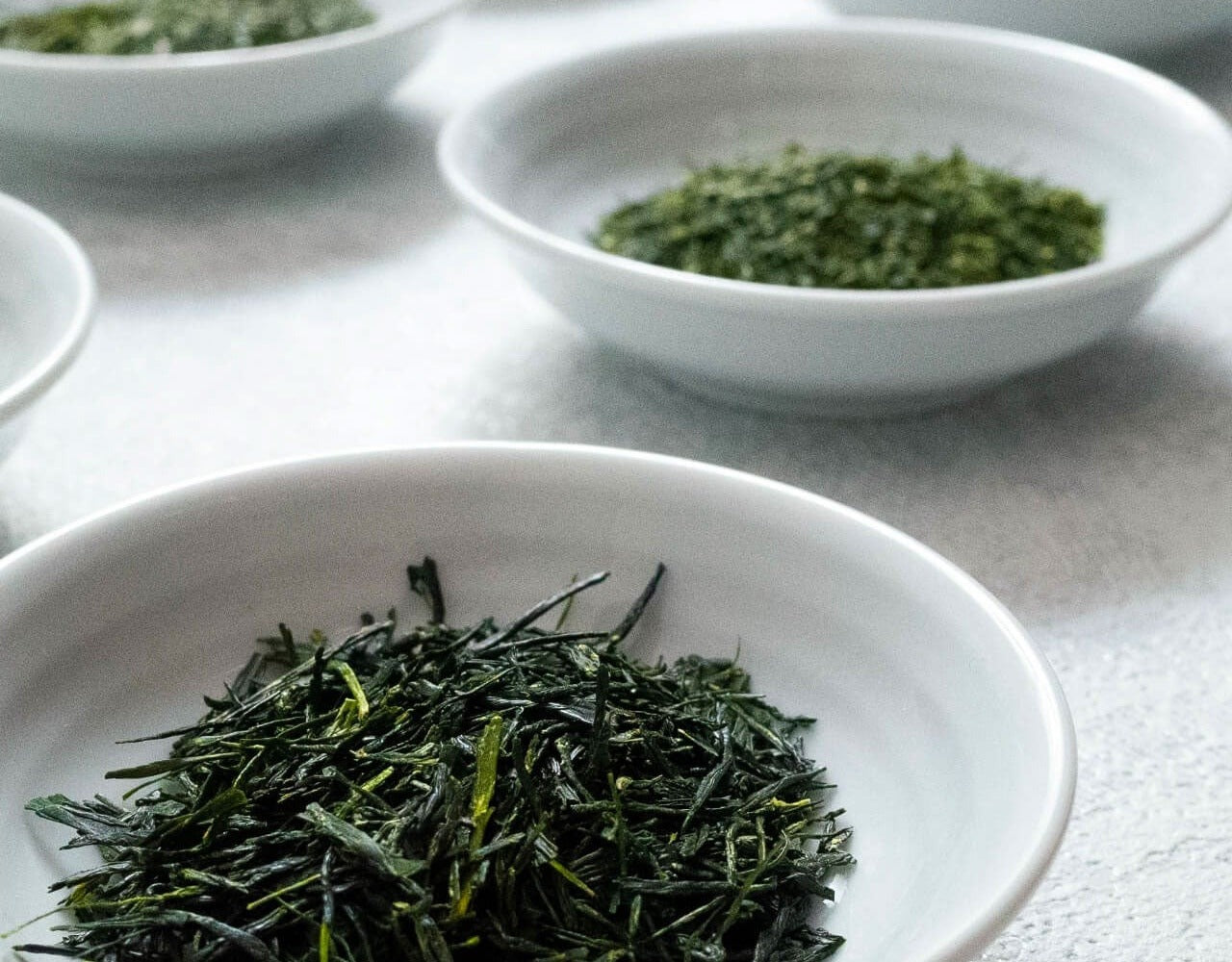
But Japan has registered more than 100 tea cultivars, and most are grown in vanishingly small volumes — many at less than 1% of national production. Each one brews differently: taste, aroma, liquor colour, even the temperature it asks for.
Those minor cultivars are why this company exists. We went looking for the teas most of Japan never tastes — and for the growers who keep them alive.
Meet the growers, in their own wordsShare of Japan's tea acreage by cultivar — Yabukita's share is slowly falling: 76% in 2008, 67% in 2023. Source: MAFF.
Teaware
Chosen by use, not by catalogue.
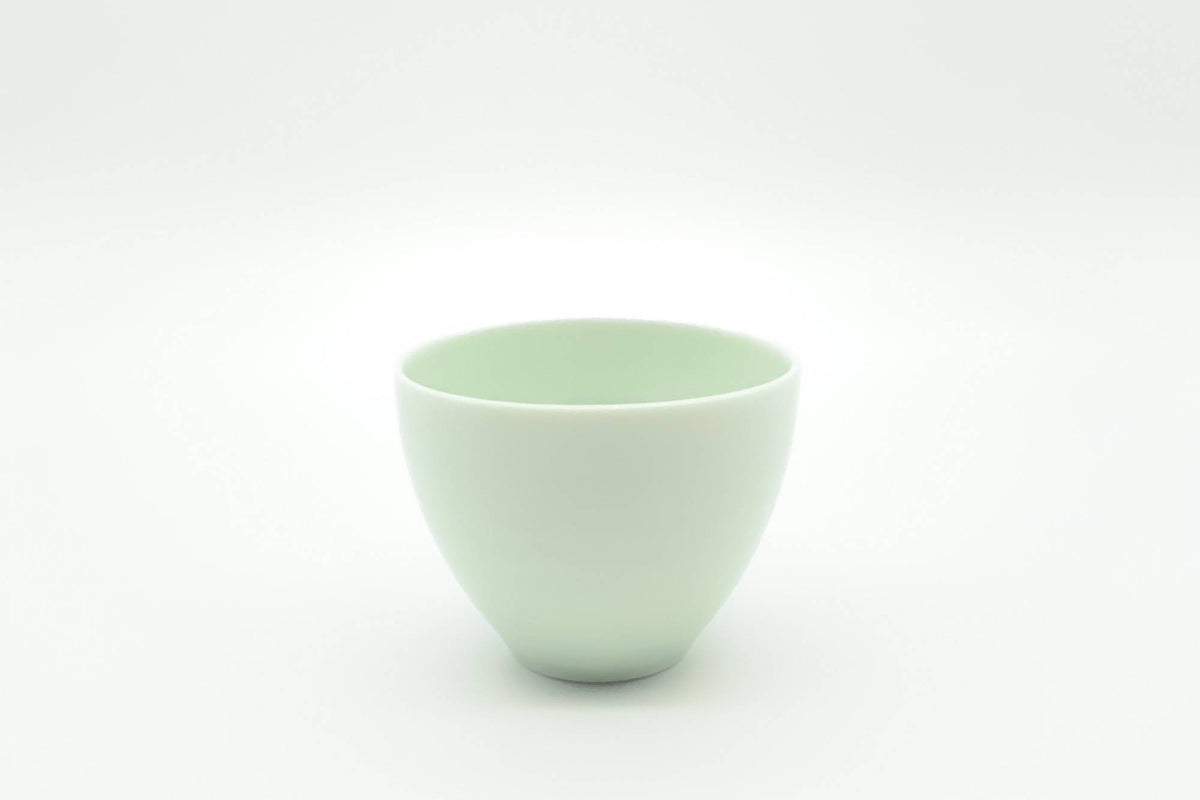
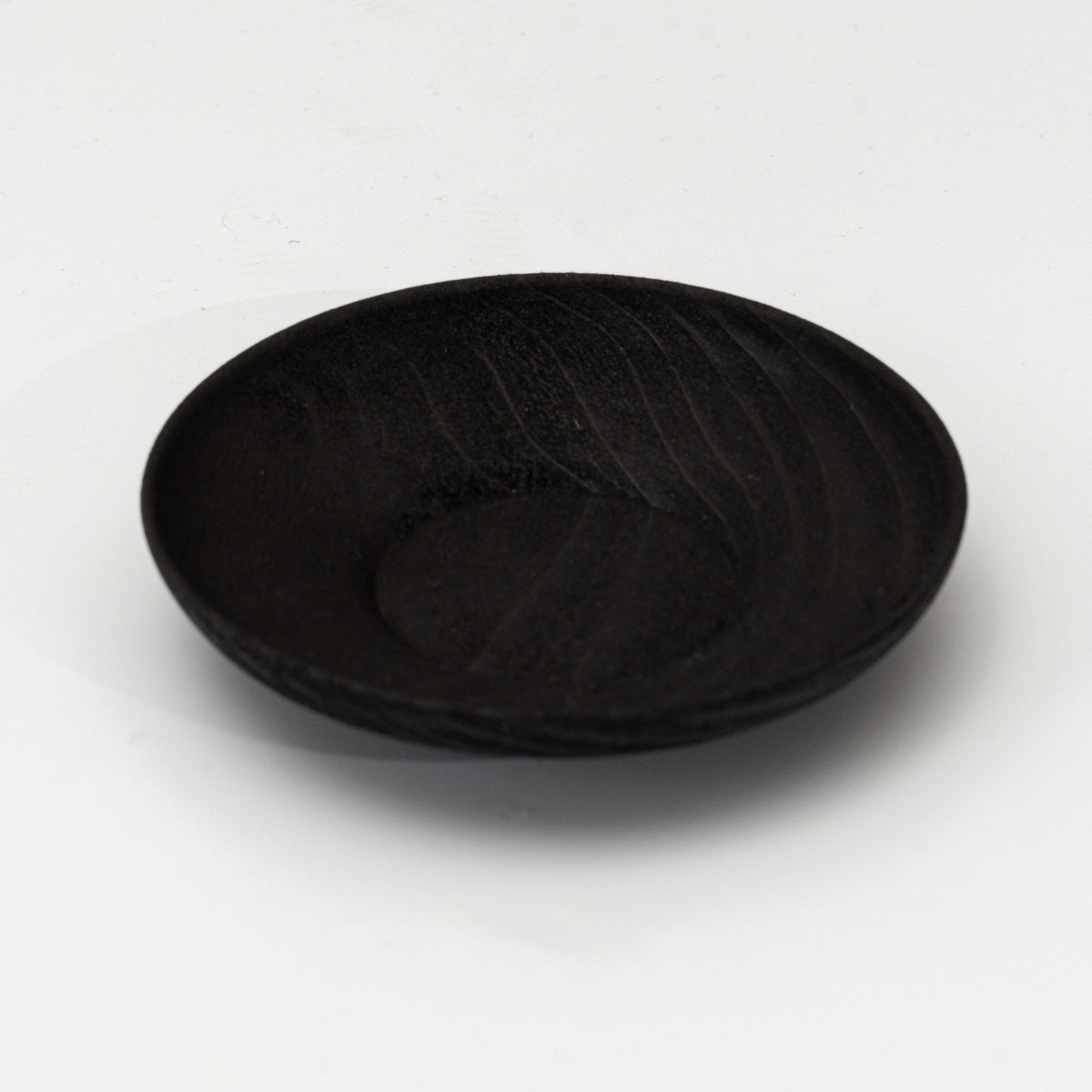
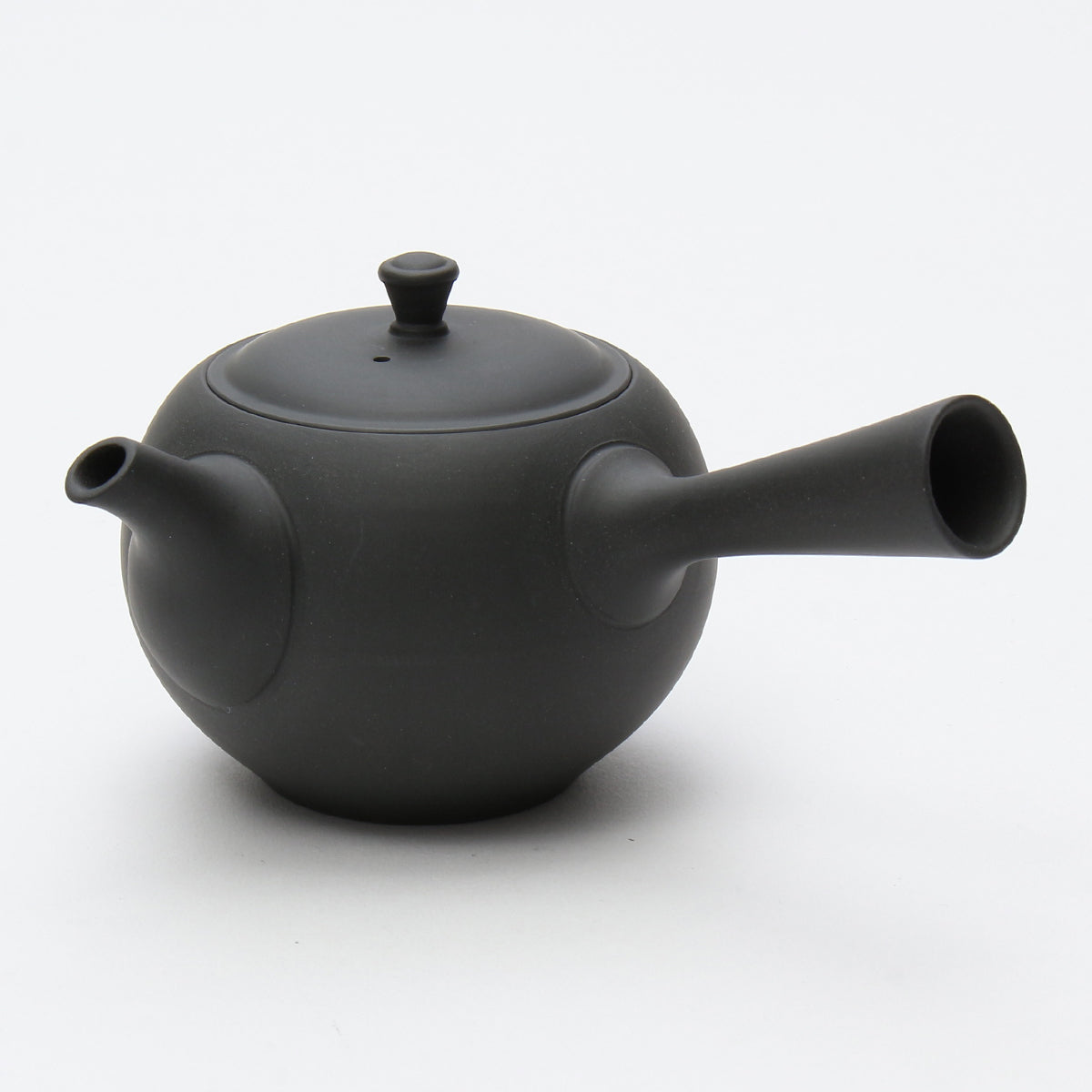
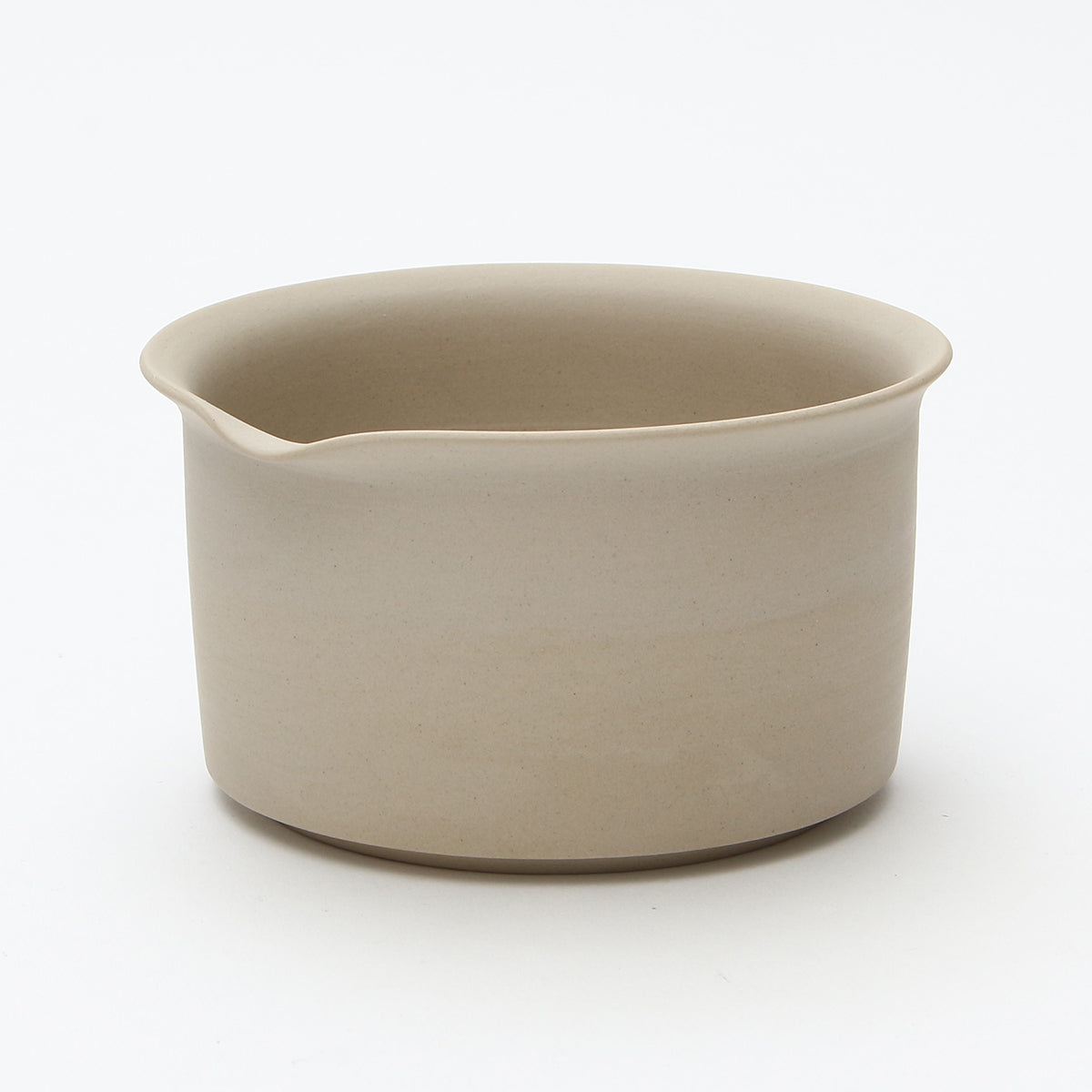
Every piece of teaware we carry is something we use ourselves — kiln-fired pieces from workshops across Japan, tested for how they pour, sit, and change the cup. Material, weight, and pour angle matter more to us than the name on the box.
Featured teaware
Logistics
How it reaches you.
Behind the Sip
The farms, in their own words.
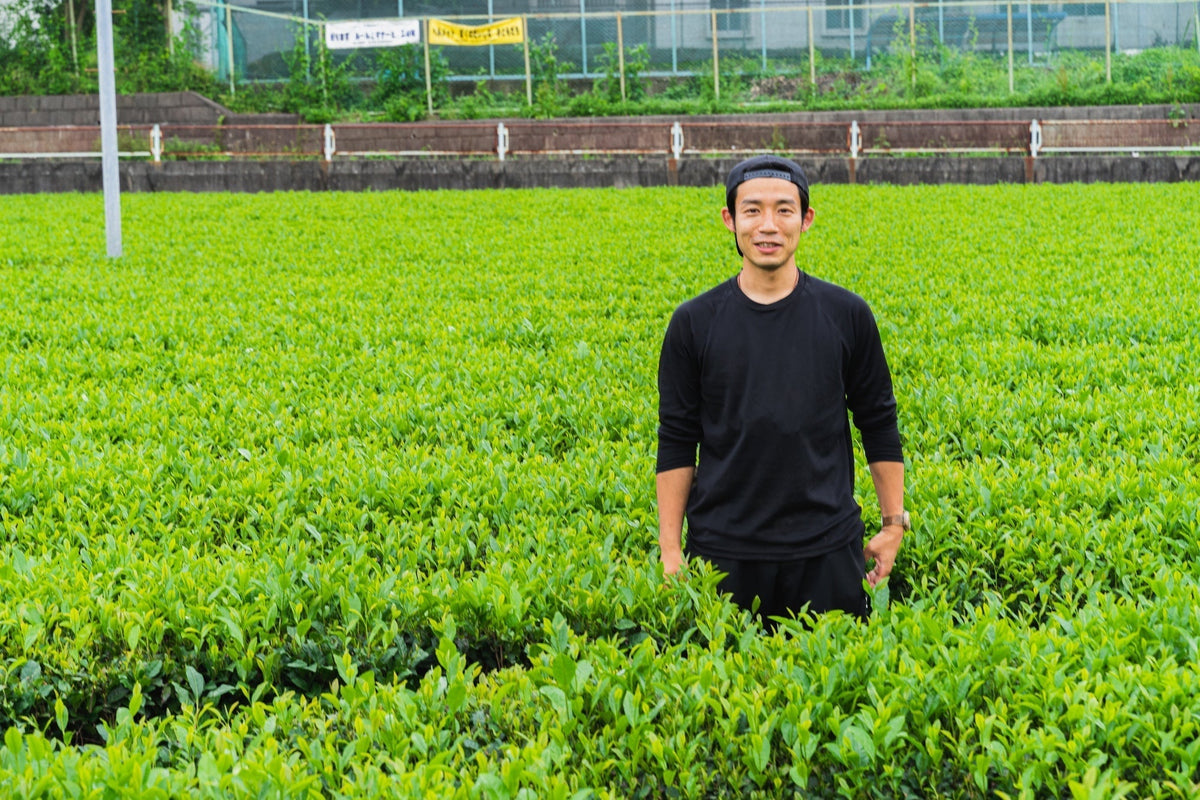
“Shizuoka for the color, Uji for the aroma, Sayama for the taste.”
Read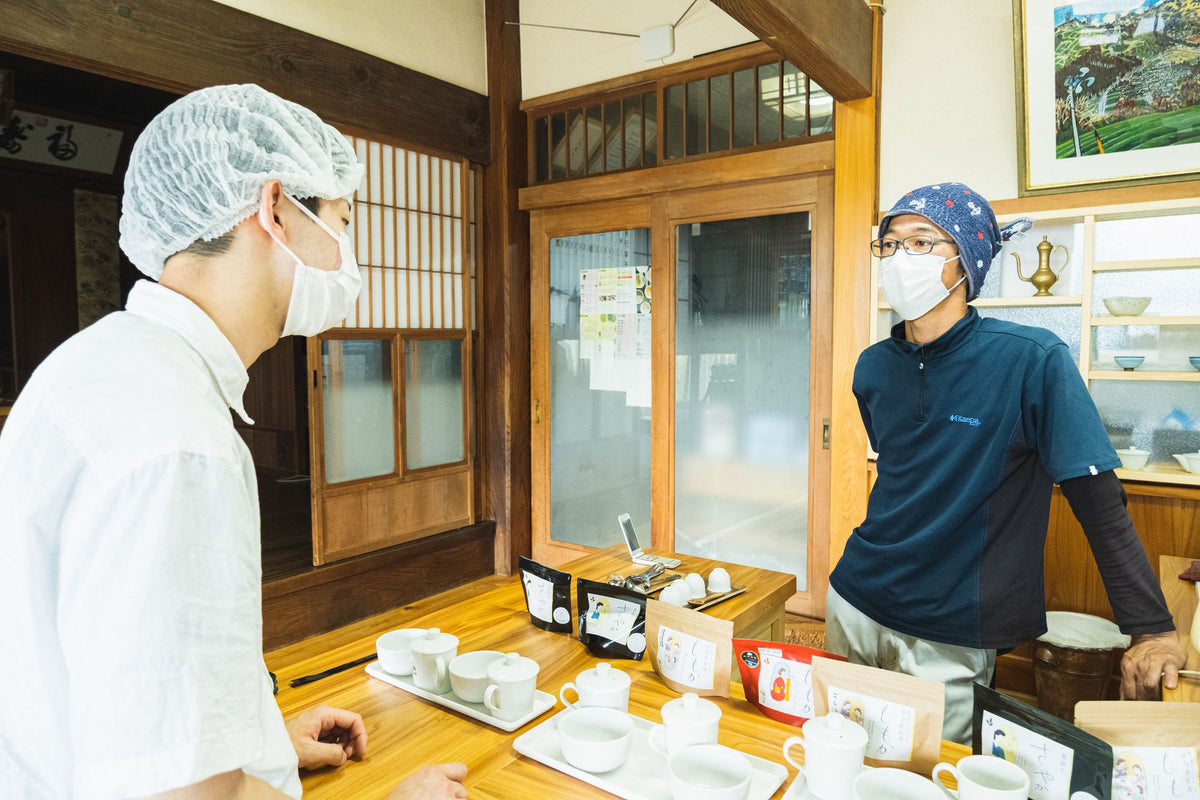
Jasmine, muscat, peach, chestnut, corn, roasted soybean, herbs, spices, tomato, milk, mayonnaise, seaweed. These are...
Read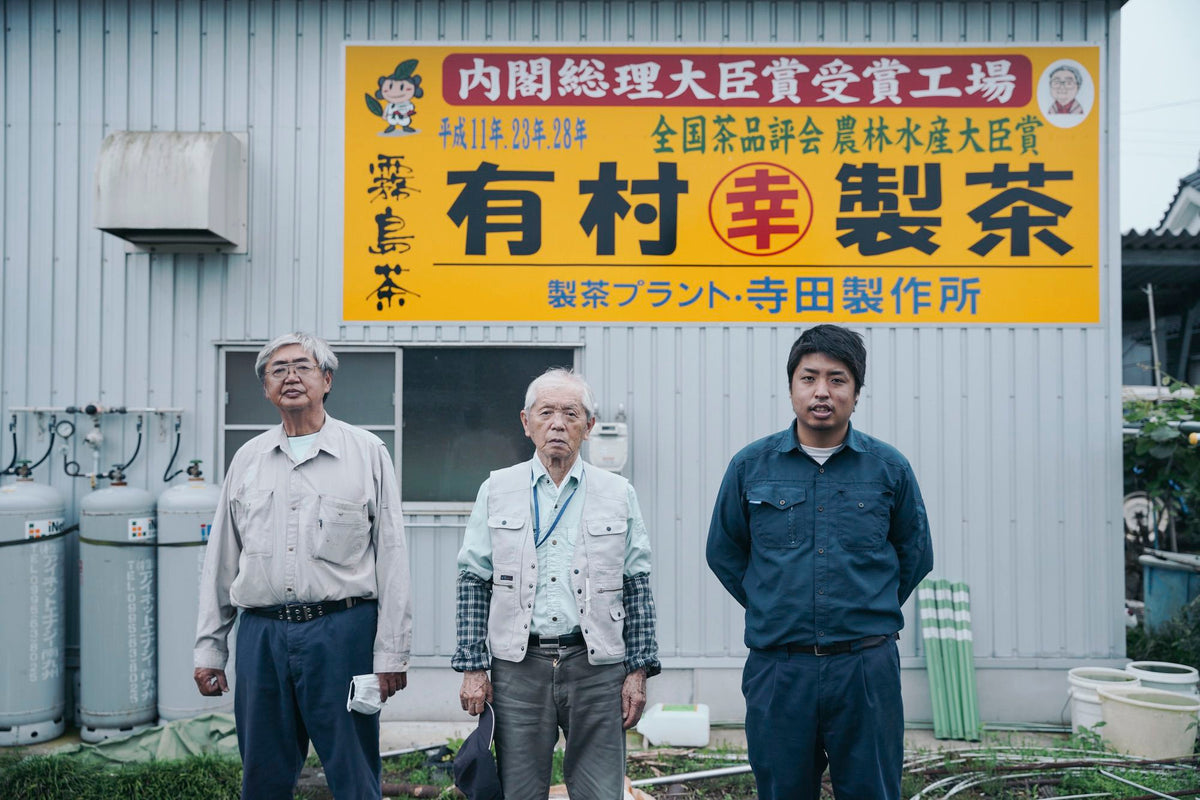
As the plane drops toward Kagoshima Airport, the landscape tilts into view — tea fields, dozens of them, pressed into...
Read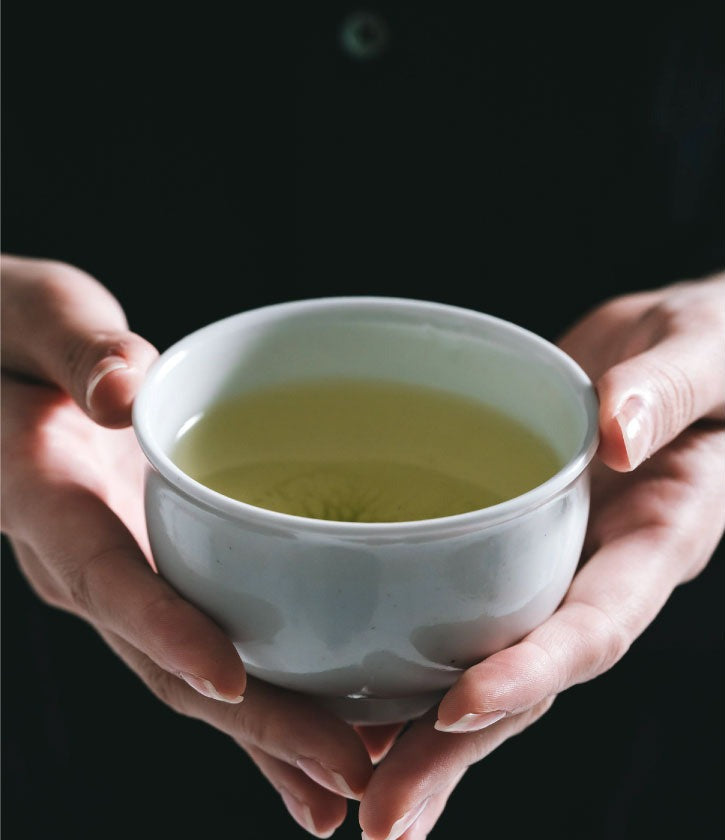
Why we do this
This is all we do.
We've stood in the fields with growers across Japan, listening to what each cultivar asks of them. This store is how we share that obsession. Browse by cultivar, by region, or by flavour profile — every product page carries the full chain: farm, cultivar, cultivation, brew.
