People Related to Japanese Tea | Eisai
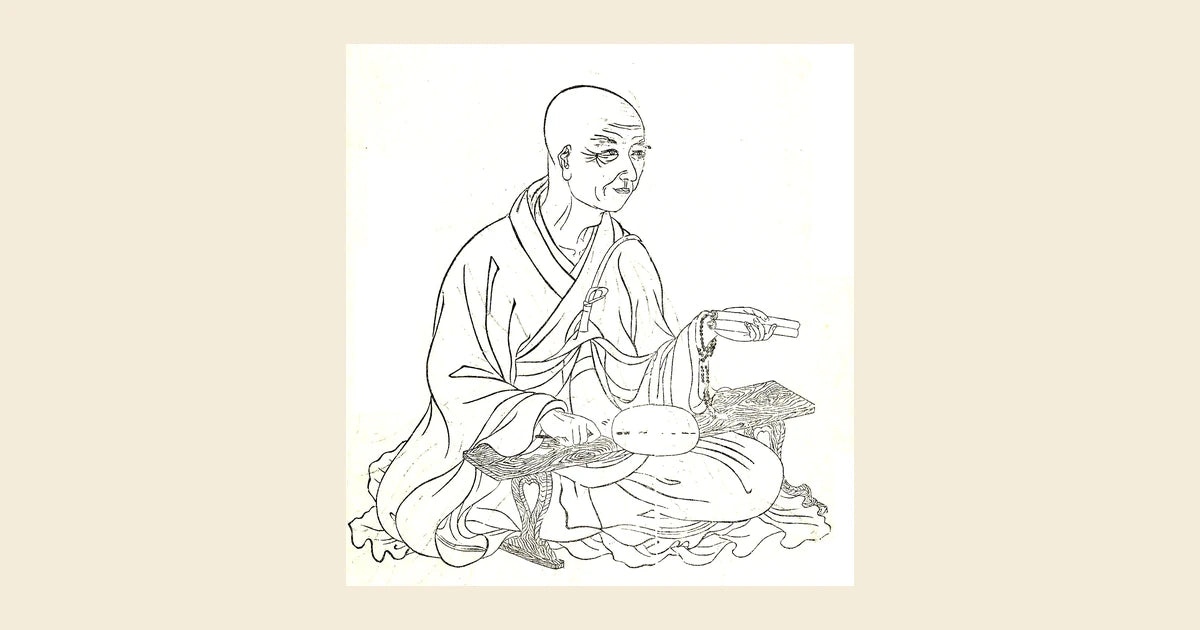
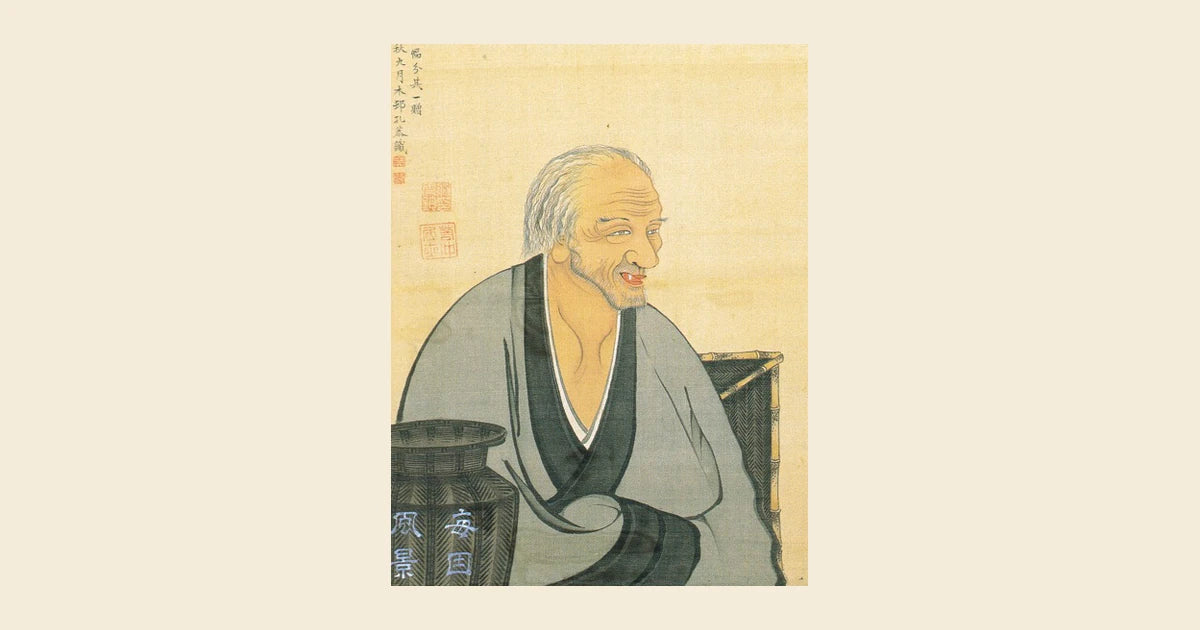
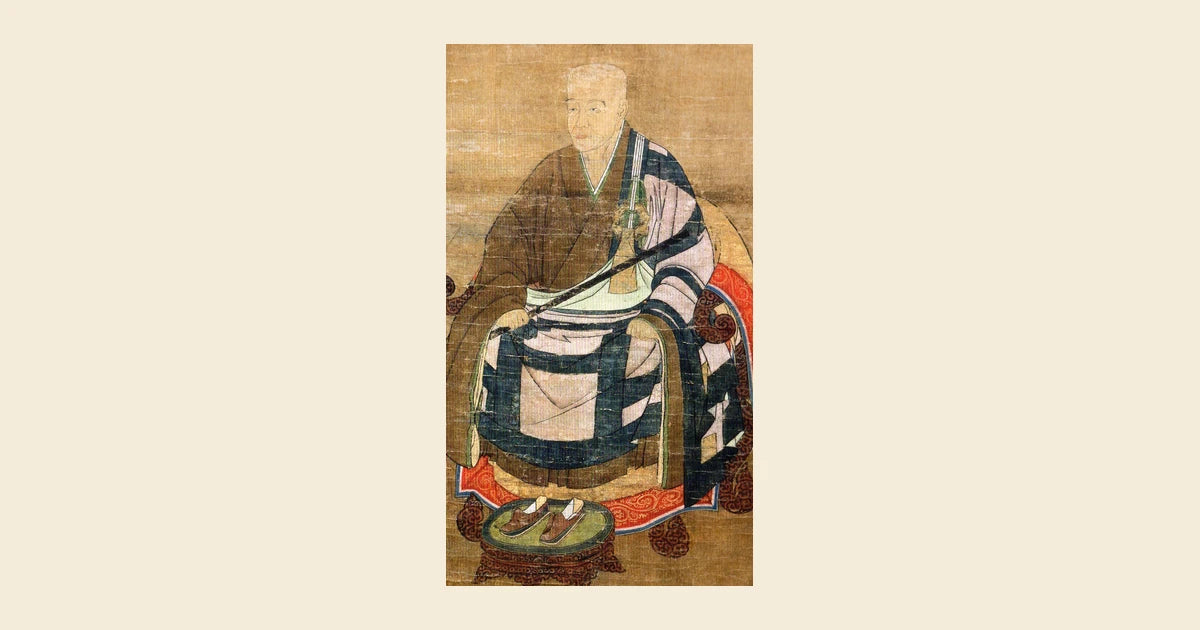
A Buddhist monk who crossed the sea to China twice, Eisai (1141–1215) returned home carrying something that would res...
Updated Sep 2026
Read
Japanese Tea Encyclopedia
How Japanese tea got here — the people, places and turning points behind what's in your cup.
22 guides
A Buddhist monk who crossed the sea to China twice, Eisai (1141–1215) returned home carrying something that would res...
The entrance is barely two feet square. You have to crouch, remove your sword if you carry one, bow your head — and o...
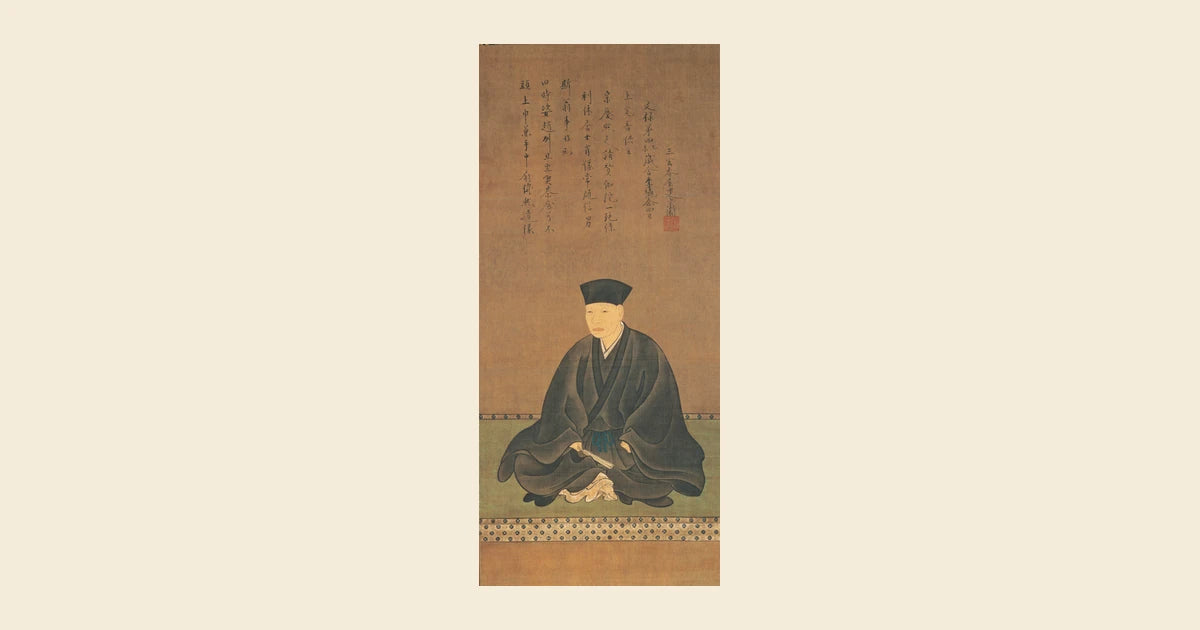
Murata Juko (1422-1502), the tea master often placed at the beginning of wabi-cha, was born in Yamato Province, prese...
The auction hall in Mombasa opens at seven in the morning. By midday, hundreds of millions of dollars of tea will hav...
While Eisai brought tea to Japan, Myoe Shonin (1173-1232) planted it - first at Kozanji temple in Togano, northwest K...
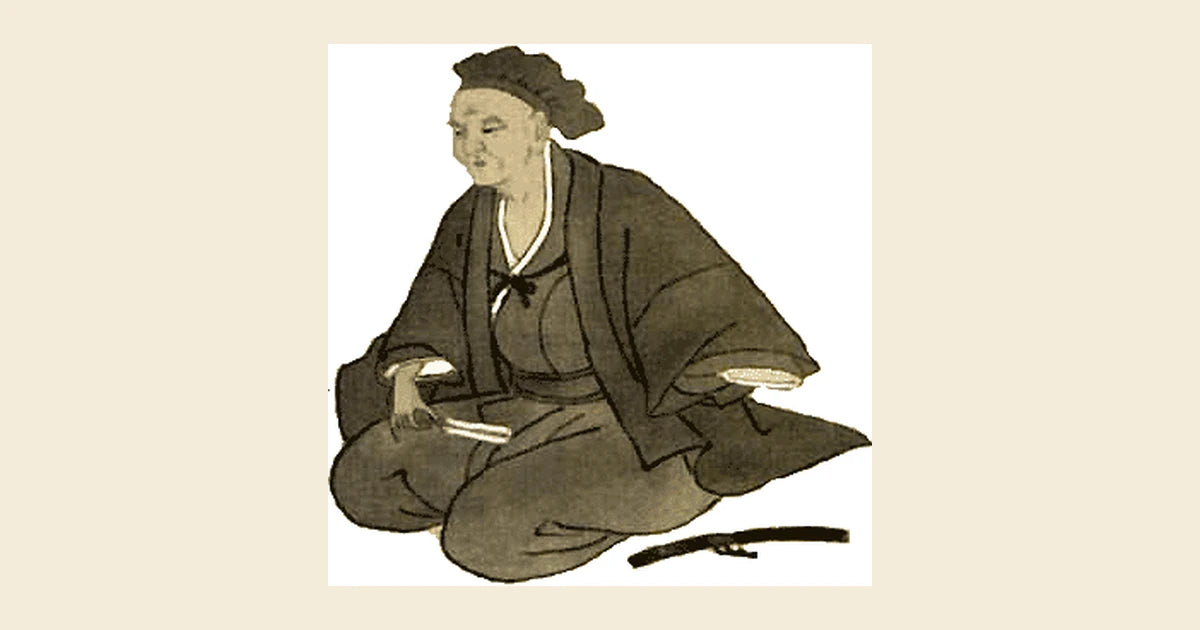
An old man carried a portable tea set to the scenic spots of Kyoto and brewed Sencha for whoever came. He charged wha...
Tea cultivation in India began as a commercial project in the 1820s and 1830s, after British officials learned from t...
High on the ridge at Ali Shan, the tea pickers are out before the tour buses arrive. The air at 1,400 metres has a pa...
In 1662, Catherine of Braganza arrived in England from Portugal to marry King Charles II. She brought a chest of tea ...
Tea begins in China — not as a beverage but as a leaf. The earliest plausible records of tea consumption place it in ...
James Taylor did not arrive in the Kandy hills intending to create one of the best-known tea origins in the world. He...
The Edo period (1603–1868) is when tea became Japanese in the fullest sense — no longer a practice of monks and samur...
From reading to drinking
Handcrafted teaware from seven Japanese kilns — and the stories of the people who make it.