Japanese Tea in the Nara and Heian Periods
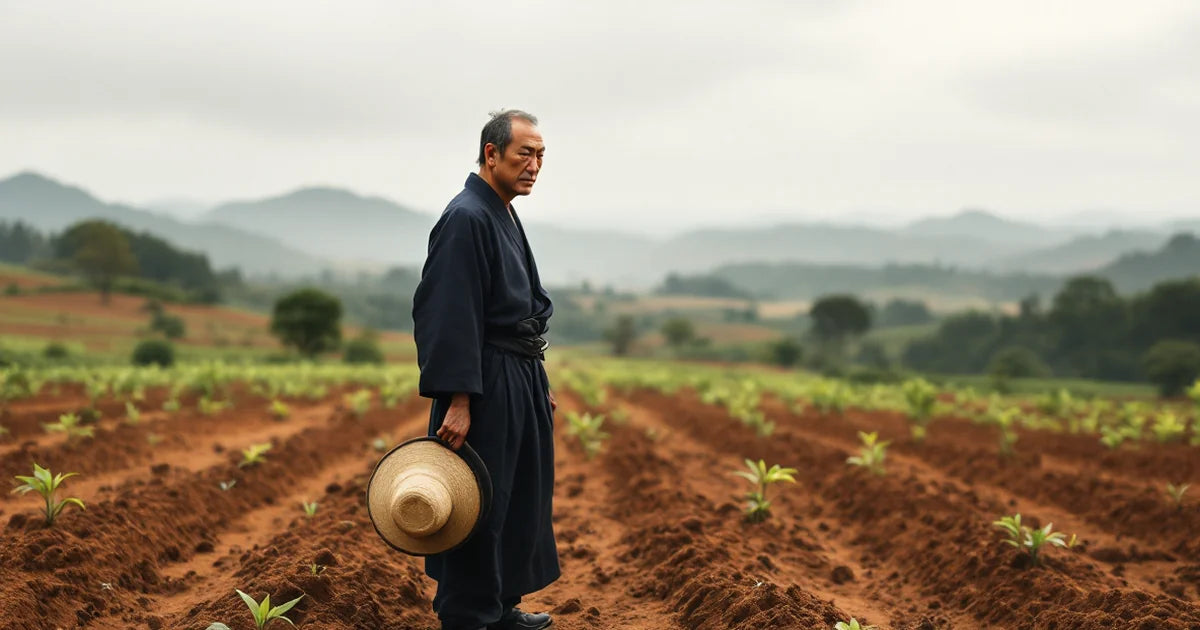
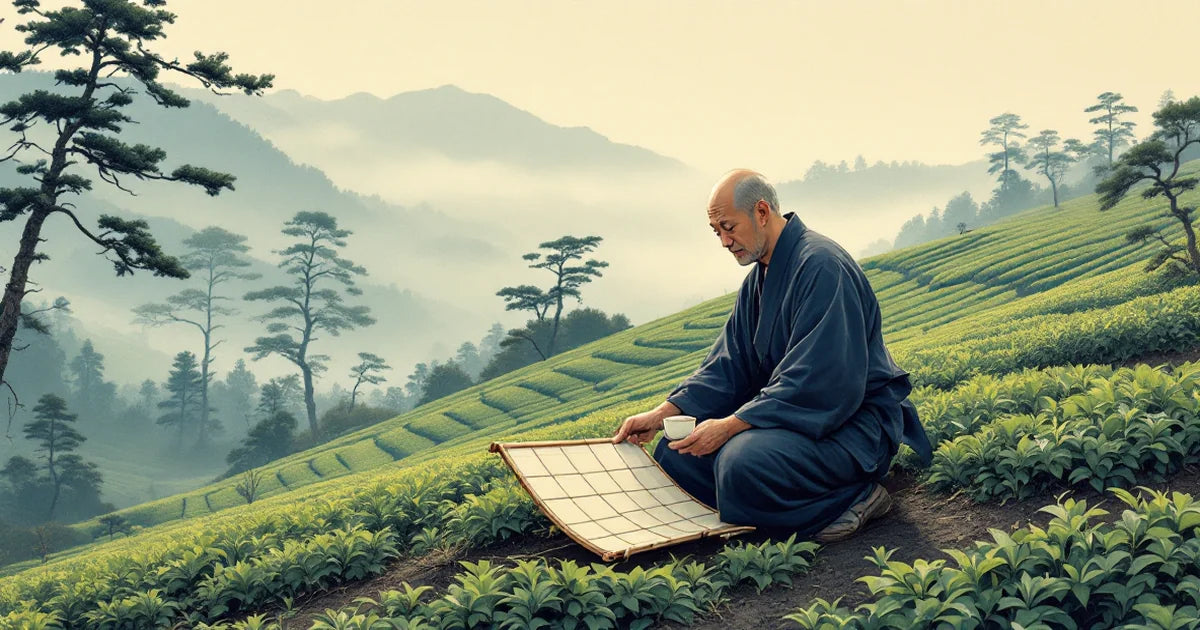
Japanese tea did not begin with Matcha, and it did not become permanent the first time it arrived. In 815, the monk E...
Updated May 2026
Read
Japanese Tea Encyclopedia
How Japanese tea got here — the people, places and turning points behind what's in your cup.
22 guides
Japanese tea did not begin with Matcha, and it did not become permanent the first time it arrived. In 815, the monk E...
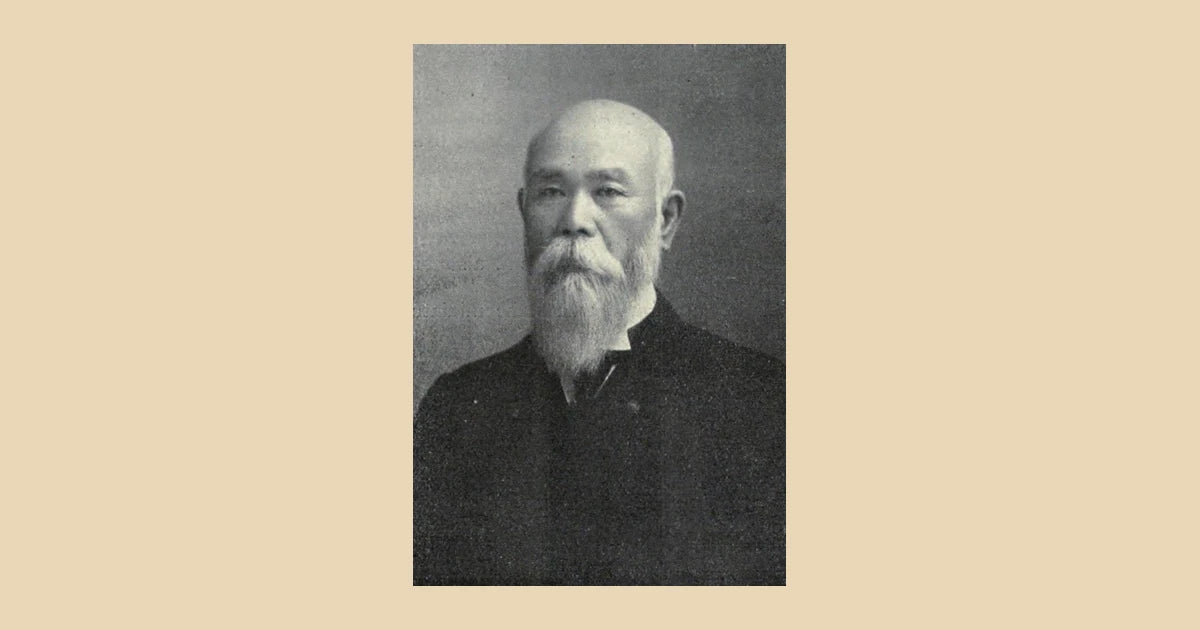
In 1899, a Japanese businessman walked into the World Commerce Congress in Philadelphia and requested a meeting with ...
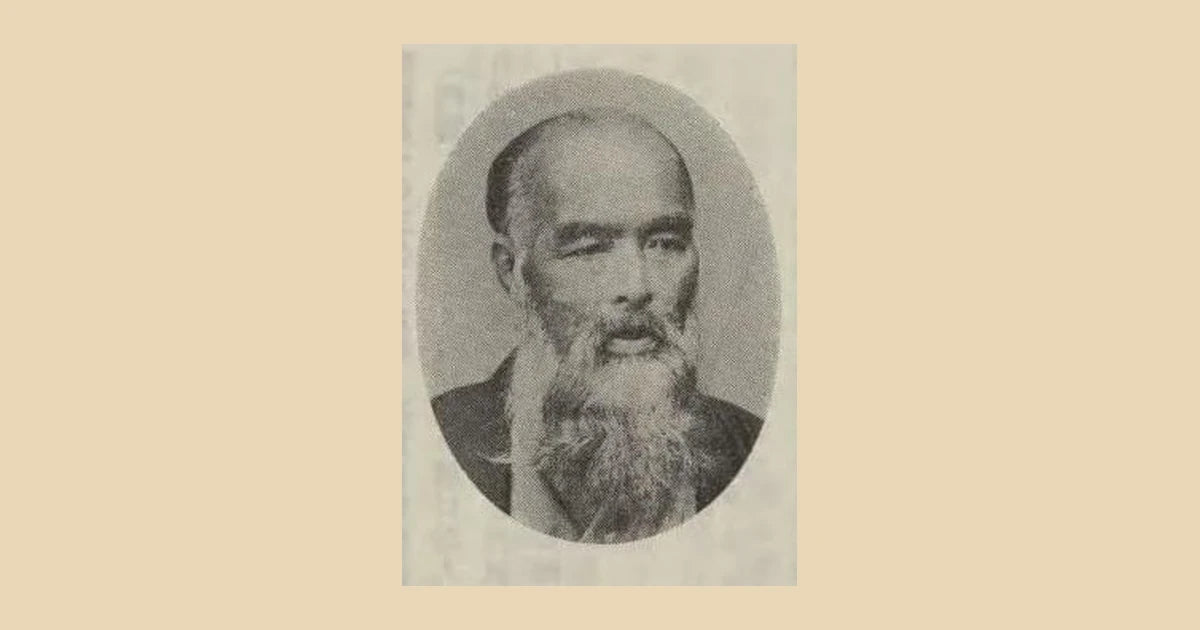
In the early Meiji period, tea production was done entirely by hand, and each artisan could roll and dry only 3 to 5 ...
Before 1738, the Sencha that common people drank was dark, rough, and dull in color — nothing like the bright green, ...
In 1859, Yokohama Port opened to foreign trade. Within a decade, green tea had become one of Japan's largest export c...
The Muromachi period (1336–1573) and the Azuchi-Momoyama period that followed were the centuries in which Japanese te...
At Far East Tea Company, tracing the history of Japanese tea always brings us back to this moment: in 1191, Eisai ret...
The deep-steamed Sencha from Makinohara — with its rich umami, dense green liquor, and the kind of full-bodied sweetn...
Gyokuro — Japan's most prized shade-grown tea, with its characteristic sweetness and deep umami — was not discovered ...
When you brew Japanese Sencha, there is a good chance the leaves come from Yabukita: according to the Ministry of Agr...
From reading to drinking
Handcrafted teaware from seven Japanese kilns — and the stories of the people who make it.