Bancha and Hojicha: What Makes Them Different
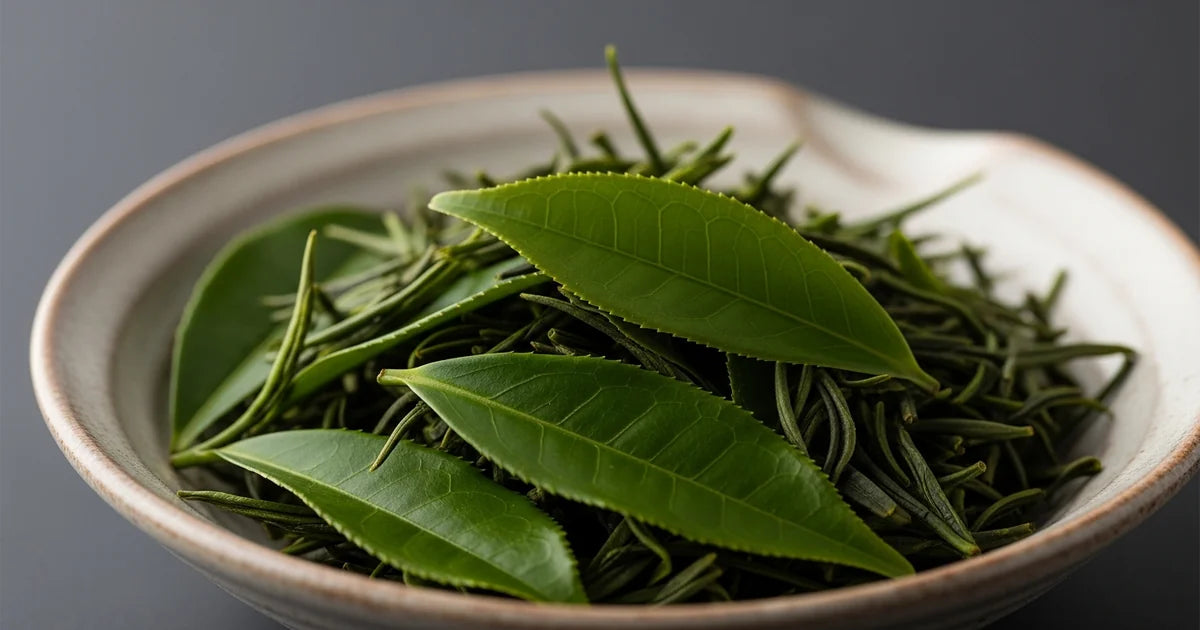
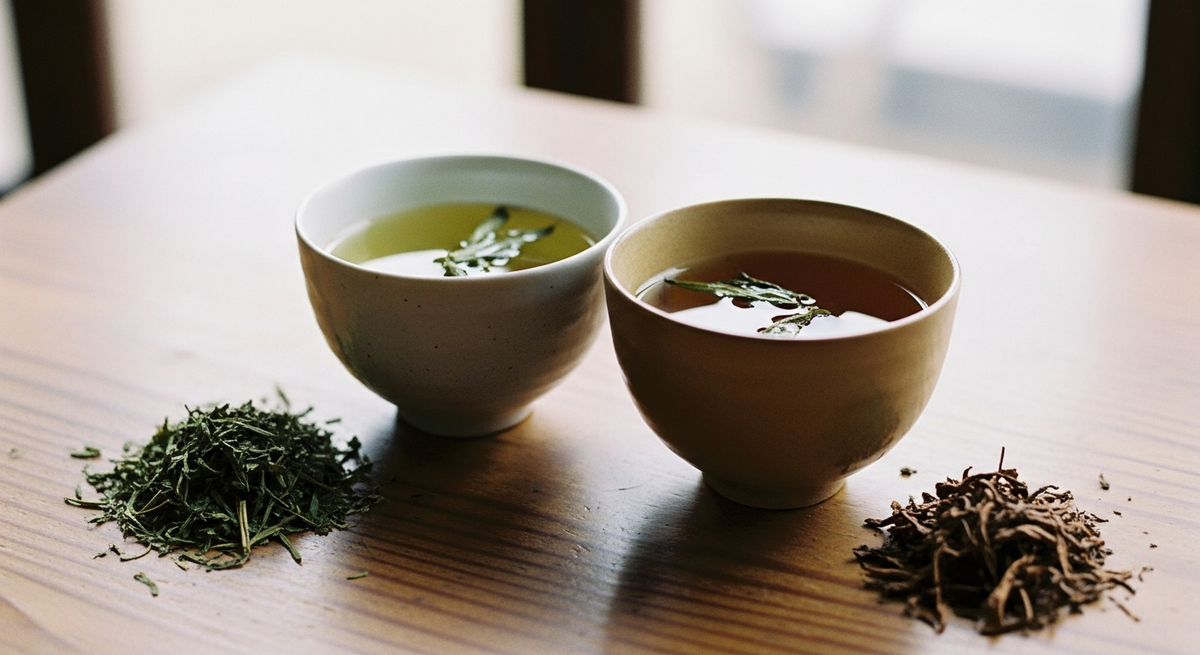
If Sencha is Japan's signature green tea, Bancha is its quiet neighbor. Less celebrated, often overlooked, but deeply...
Updated Jun 2026
Read
Japanese Tea Encyclopedia
How to brew, which cultivar, where it grows, and why it tastes the way it does. Written from our experience sourcing and drinking Japanese tea.
If Sencha is Japan's signature green tea, Bancha is its quiet neighbor. Less celebrated, often overlooked, but deeply...
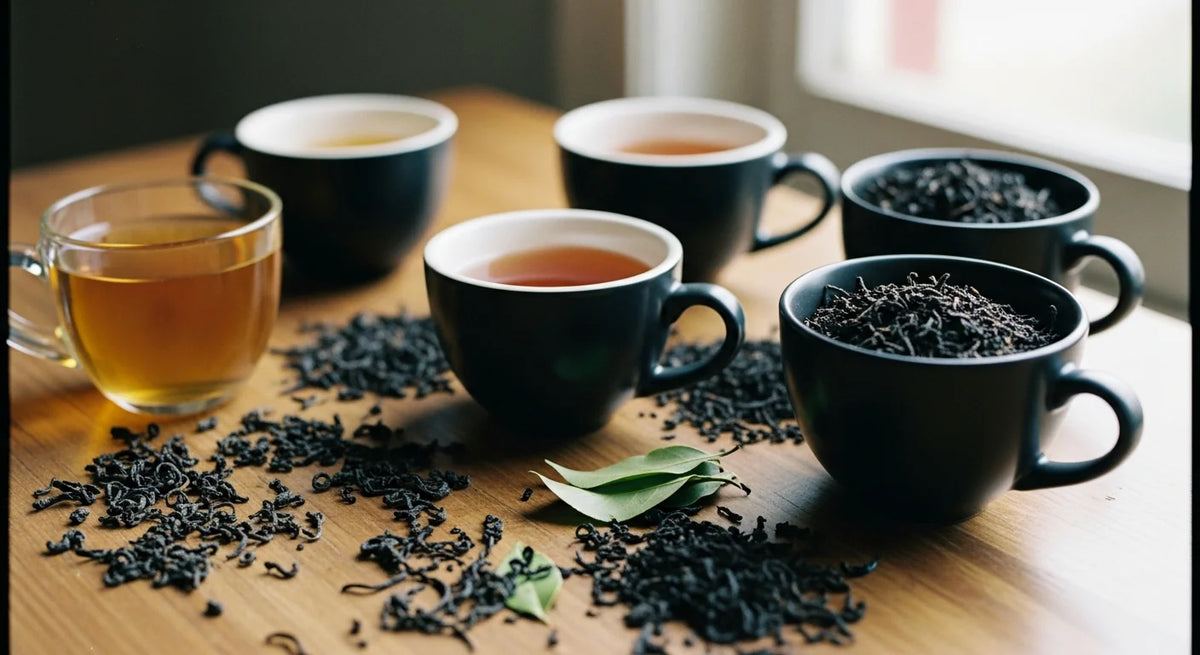
The floral lift of Darjeeling. The malty depth of Assam. The soft, honeyed sweetness of Japanese-grown black tea. Thr...
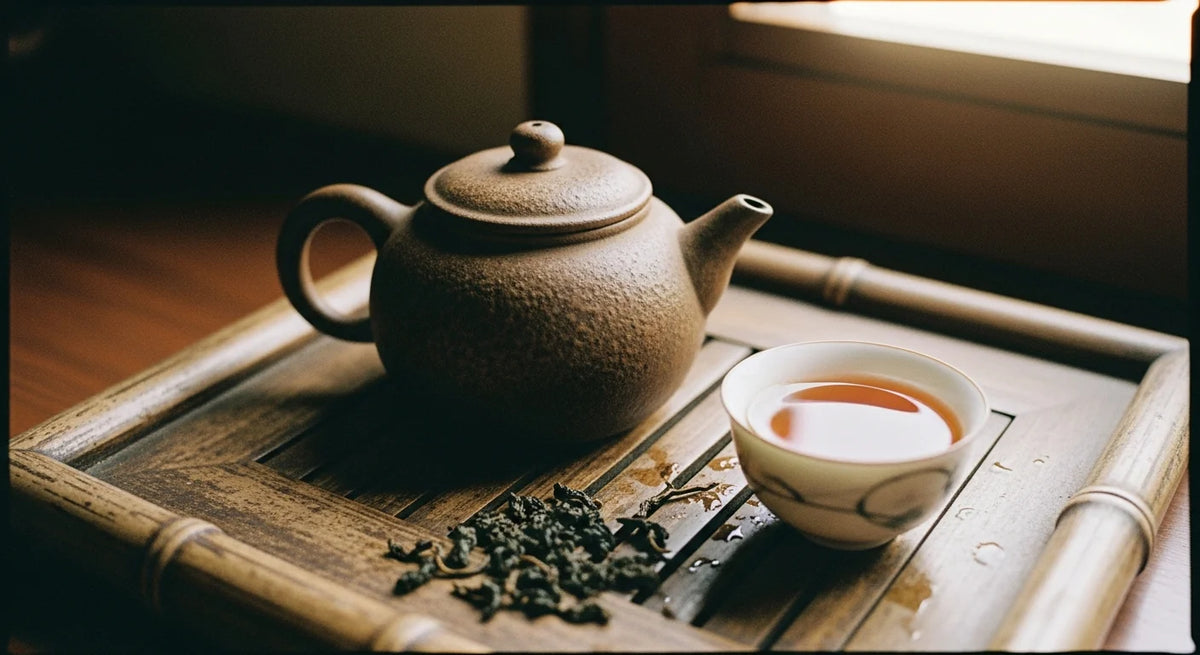
Floral lift, toasted grain, that mineral warmth that lingers after a sip of rock oolong. If you are searching for ool...
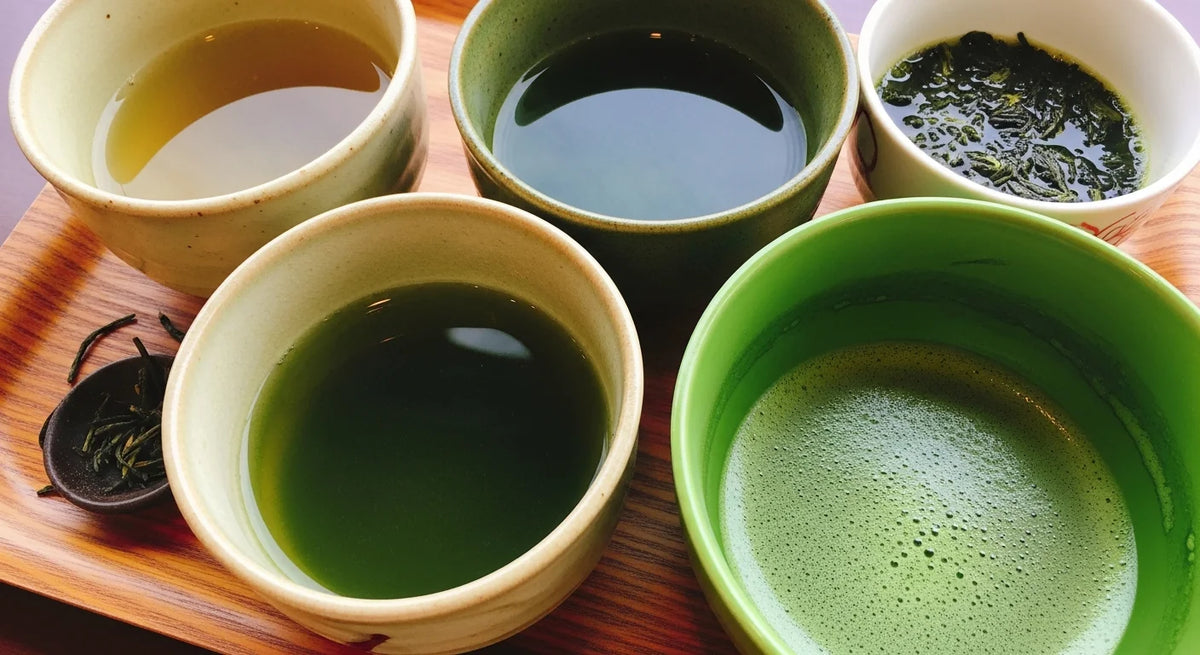
Steamed greens, sweet pea, a faint edge of bitterness. Yes, green tea has caffeine. If you are asking, does green tea...
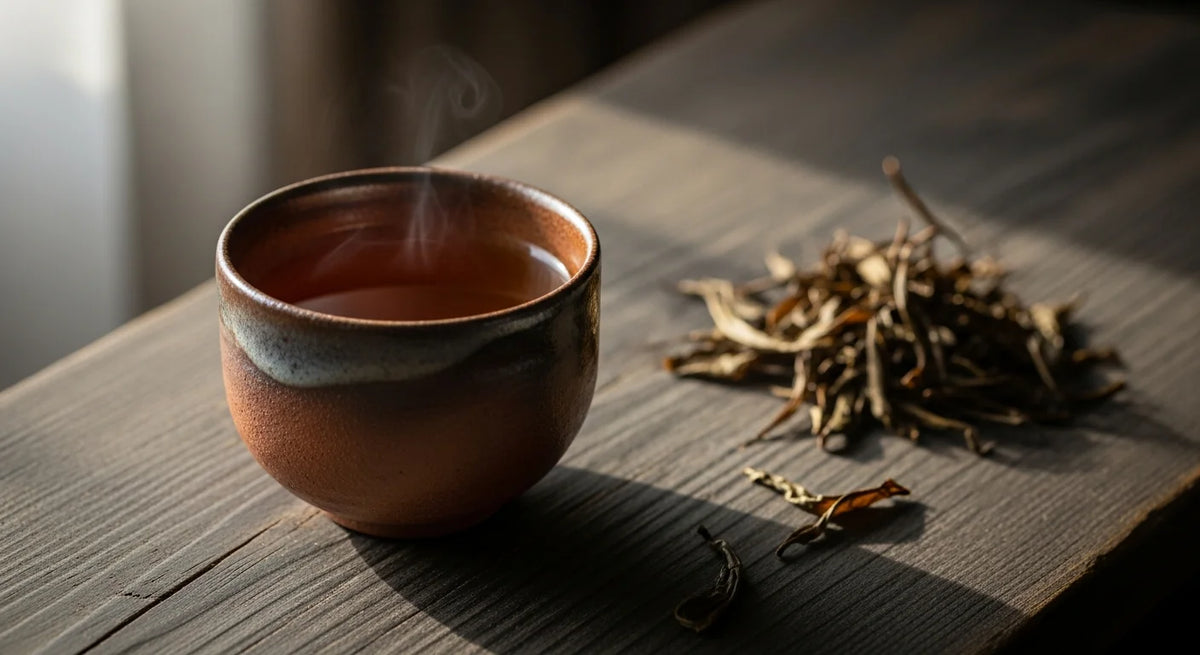
Explore Hojicha's unique flavor & low caffeine perks. Perfect for those seeking a delicate tea alternative with r...
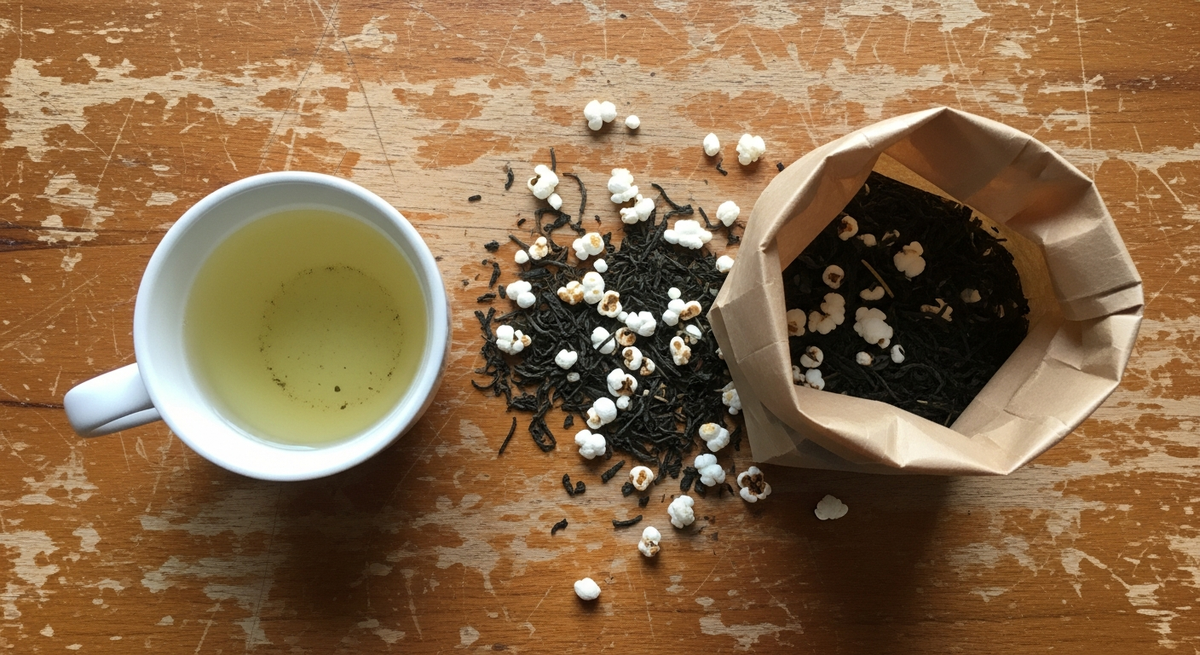
Discover the soothing blend of Genmaicha tea, a unique mix of green tea & roasted rice with a rich history and co...
Discover the unique taste & health benefits of Hojicha tea—low in caffeine, rich in antioxidants, and perfect for...
Of the more than 100 registered tea cultivars in Japan, the vast majority were developed for green tea. The country's...
Note: This article is for informational purposes only and does not constitute medical advice. Research on methylat...
Gyokuro is shaded for 20 days or more before harvest — a labor-intensive process that suppresses catechins and draws ...
Open a bag of most Japanese green teas and you get something grassy, oceanic, or lightly vegetal — the clean green ch...
Most Japanese green tea cultivars make a choice: sweetness or resilience. The ones that grow well in cool mountainous...
Put it into practice
Handcrafted teaware from seven Japanese kilns — and the stories of the people who make it.