History of Tea | Taiwan
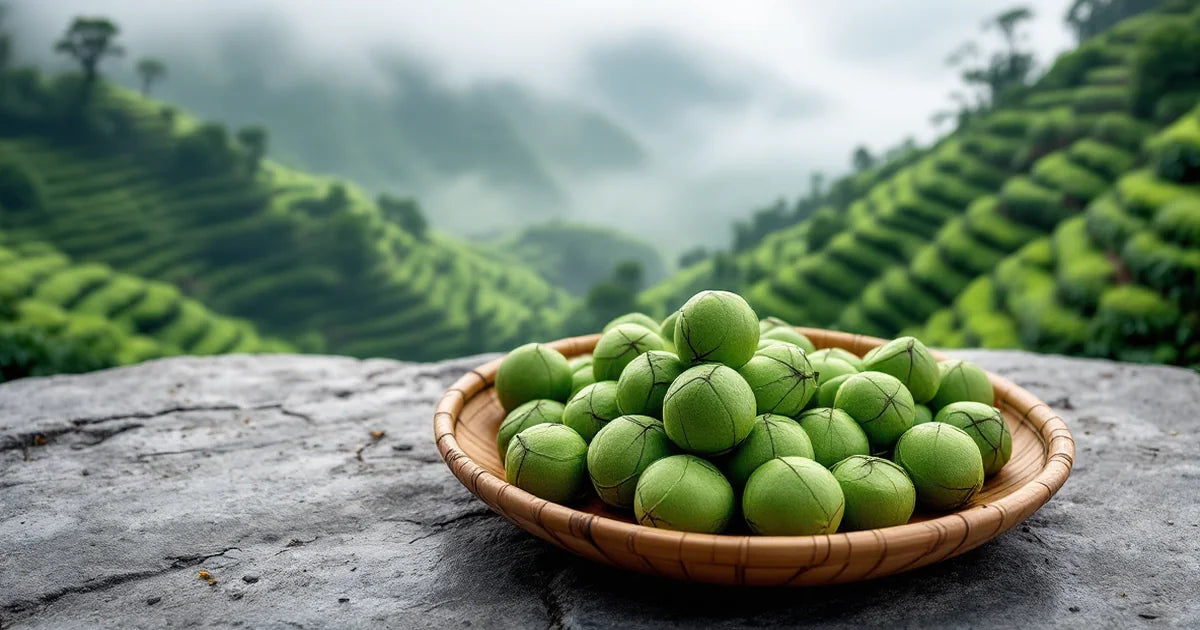
High on the ridge at Ali Shan, the tea pickers are out before the tour buses arrive. The air at 1,400 metres has a pa...
Updated Jun 2026
Read
Japanese Tea Encyclopedia
How to brew, which cultivar, where it grows, and why it tastes the way it does. Written from our experience sourcing and drinking Japanese tea.
High on the ridge at Ali Shan, the tea pickers are out before the tour buses arrive. The air at 1,400 metres has a pa...
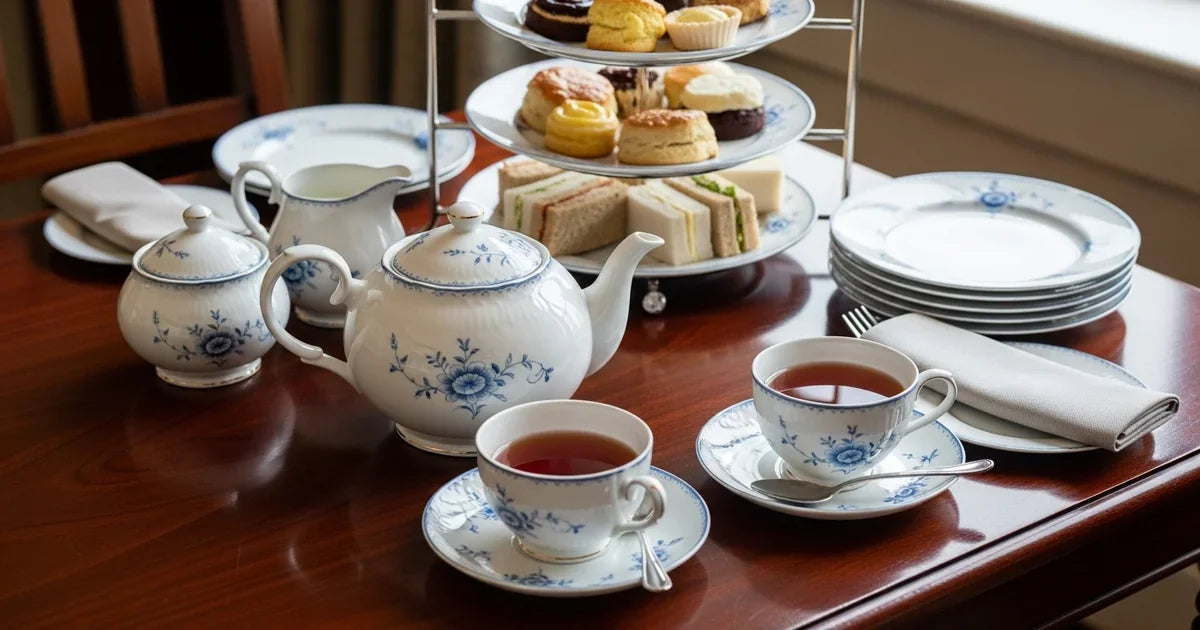
In 1662, Catherine of Braganza arrived in England from Portugal to marry King Charles II. She brought a chest of tea ...
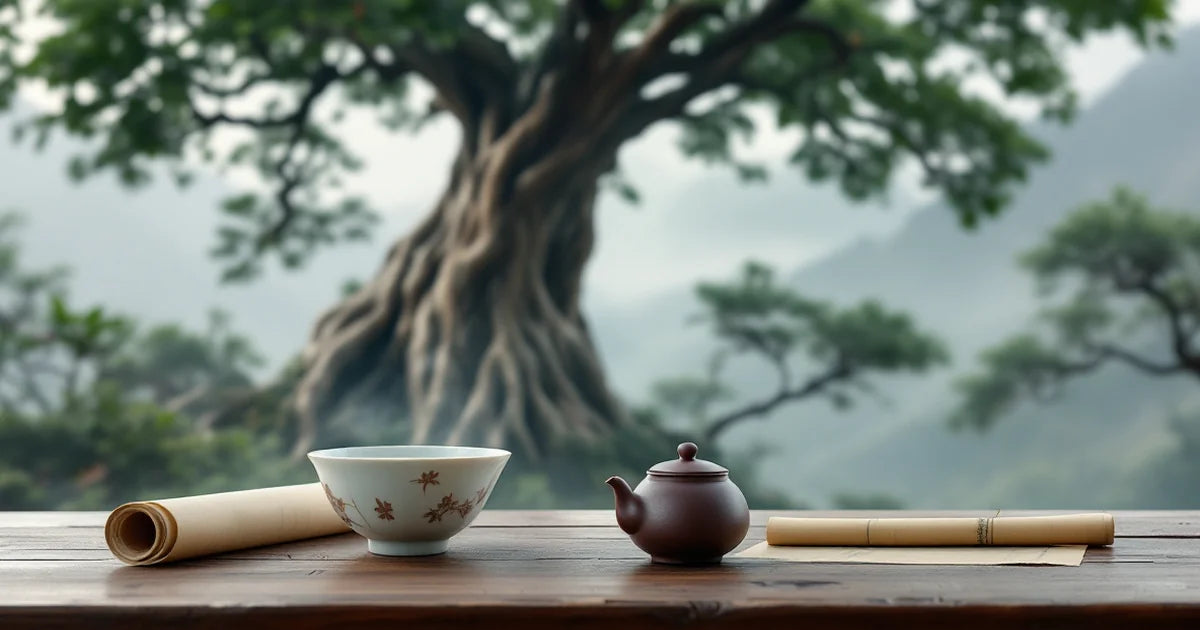
Tea begins in China — not as a beverage but as a leaf. The earliest plausible records of tea consumption place it in ...
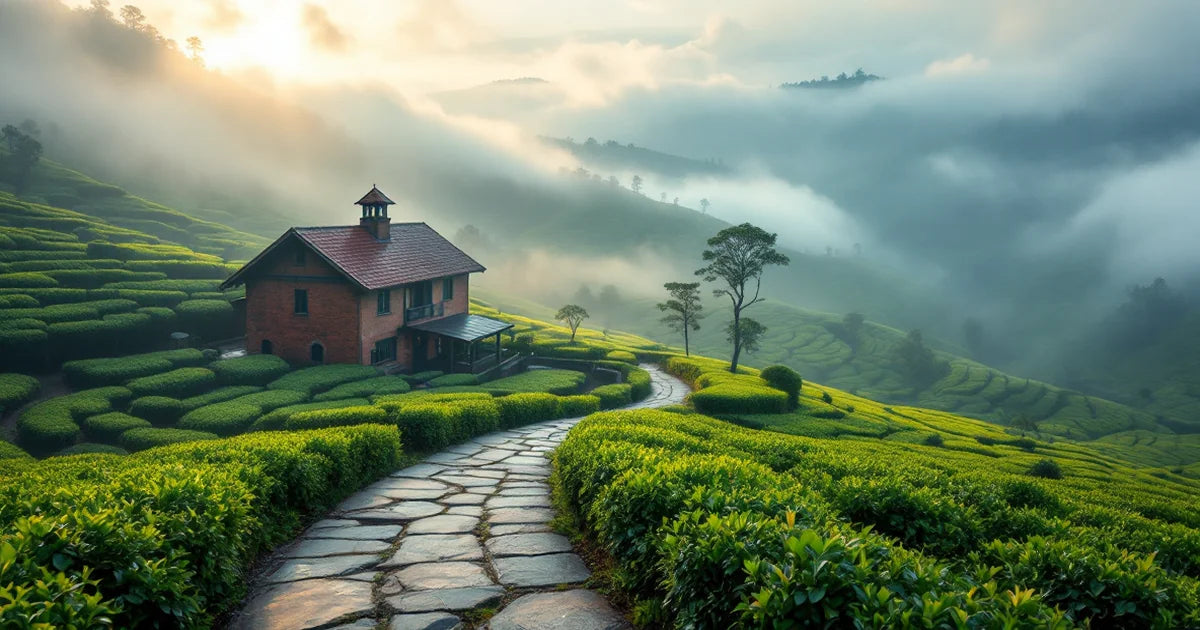
James Taylor did not arrive in the Kandy hills intending to create one of the best-known tea origins in the world. He...
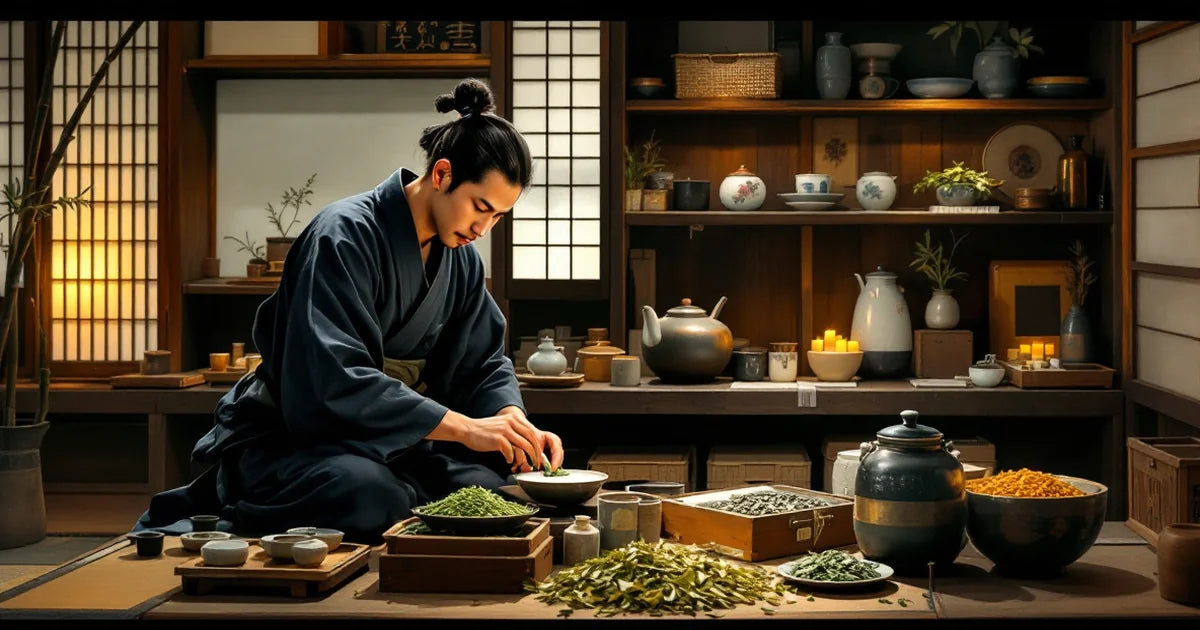
The Edo period (1603–1868) is when tea became Japanese in the fullest sense — no longer a practice of monks and samur...
Japanese tea did not begin with Matcha, and it did not become permanent the first time it arrived. In 815, the monk E...
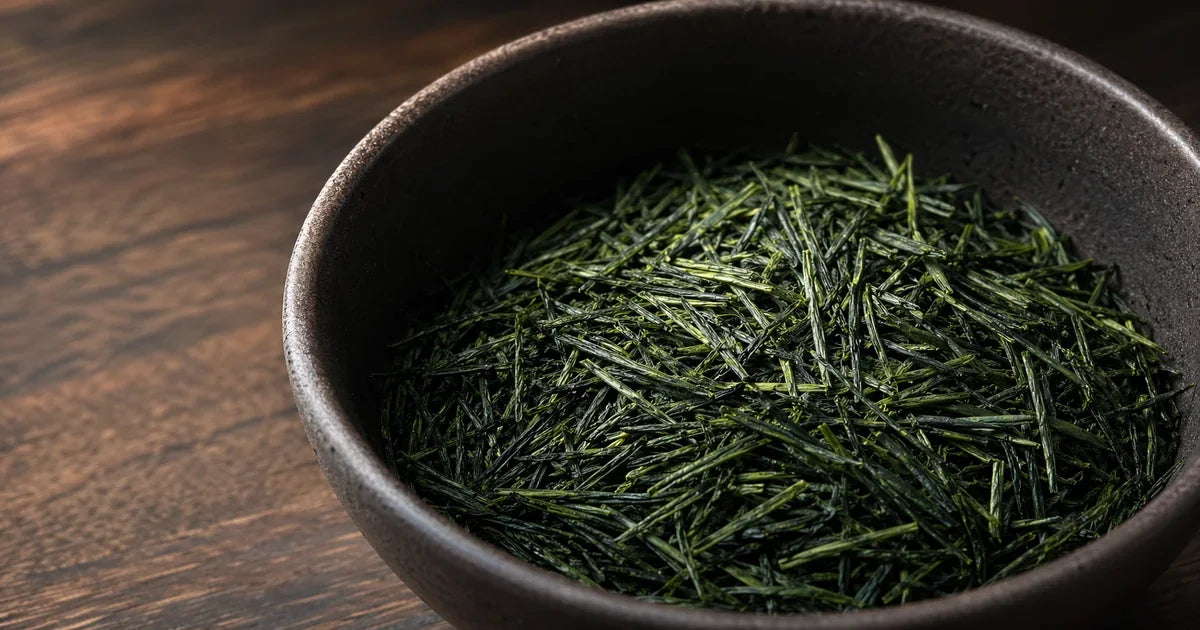
Brew Gyokuro beside Hojicha and the contrast is clear before you even drink. One has a sweet, marine quality; the oth...
A cup of brewed Sencha delivers about 6mg of vitamin C per 100mL — roughly 6% of Japan's dietary reference intake of ...
The astringency in green tea comes mostly from catechins — a group of polyphenols that also carry most of green tea's...
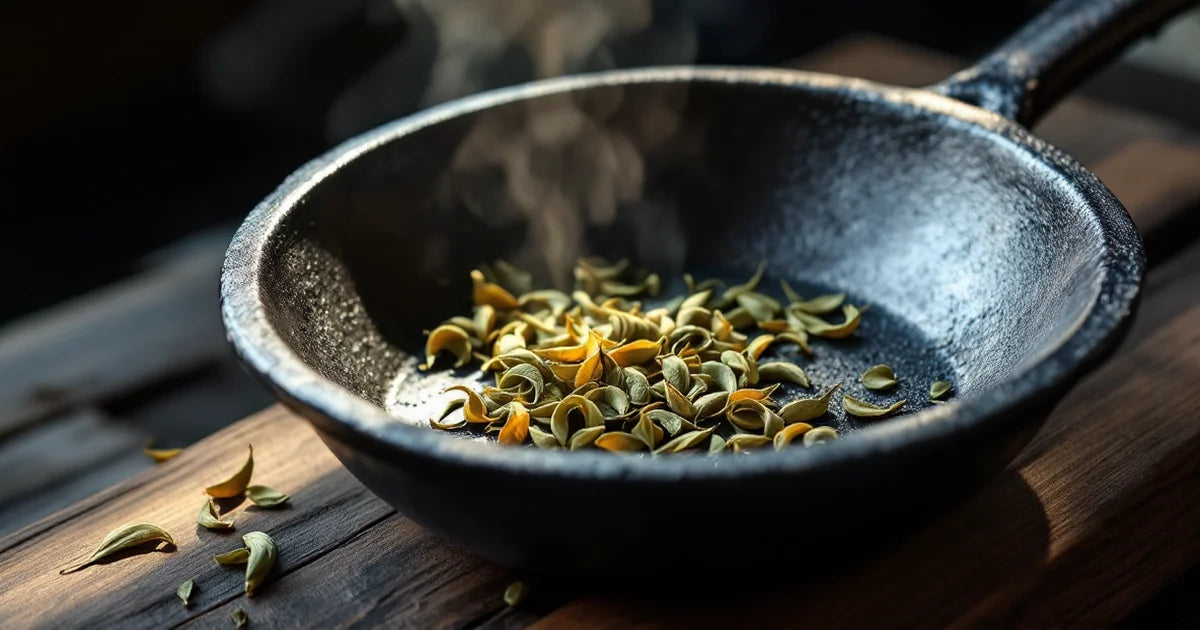
Kamairicha is Japan's primary pan-fired green tea, made by tossing fresh leaves in a hot iron pan instead of steaming...
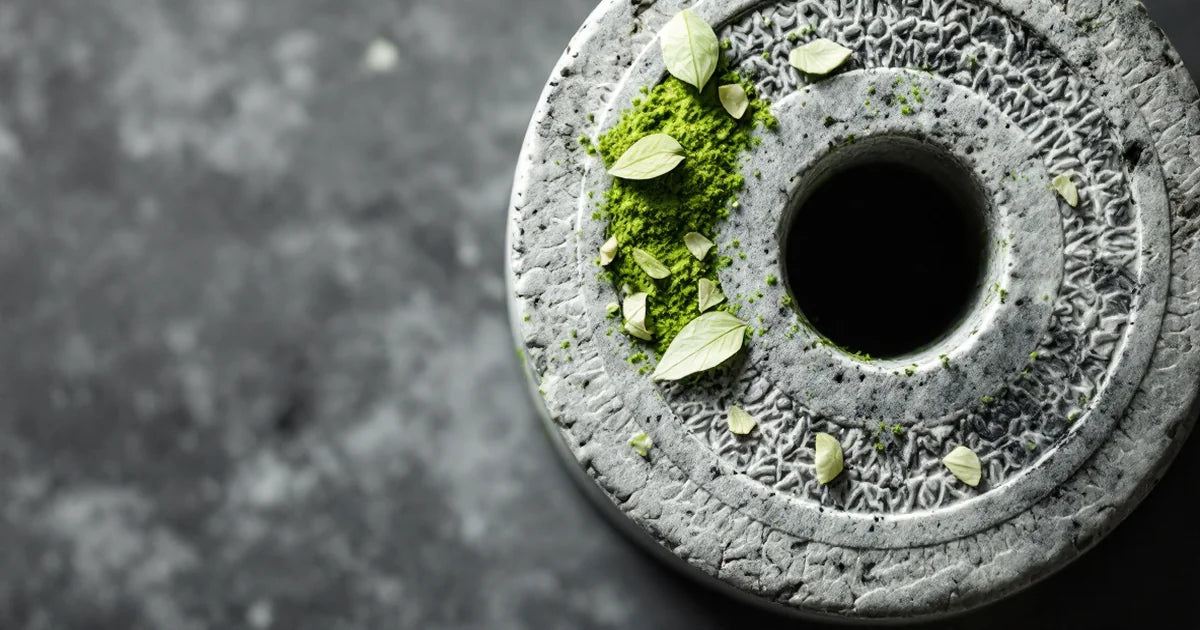
Pick up a handful of Tencha and you are holding something that looks nothing like what ends up in your bowl. The leav...
The cup is small. The temperature is low — around 50 to 60°C, cool enough to hold comfortably. The leaves sit longer ...
Put it into practice
Handcrafted teaware from seven Japanese kilns — and the stories of the people who make it.