What Is Sencha? Japan's Most Popular Green Tea, Explained
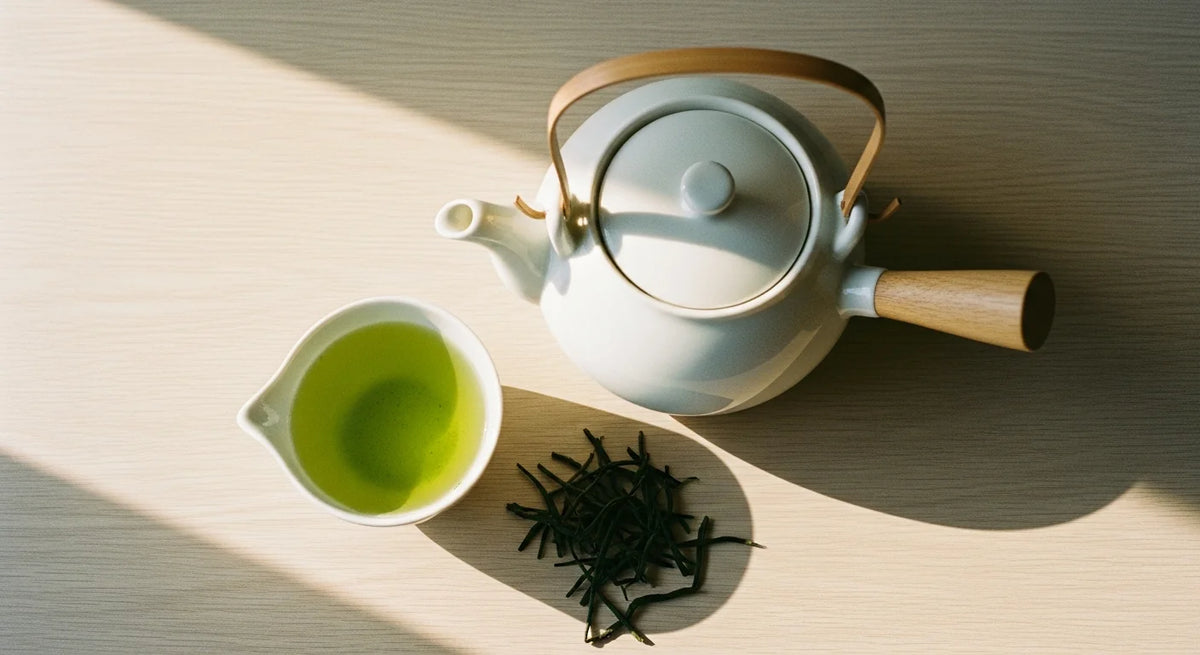
Fresh-cut grass, a faint marine edge, a clean sweetness underneath. Sencha tea is the everyday Japanese green tea mad...
Updated Sep 2026
Read
Japanese Tea Encyclopedia
How to brew, which cultivar, where it grows, and why it tastes the way it does. Written from our experience sourcing and drinking Japanese tea.
Fresh-cut grass, a faint marine edge, a clean sweetness underneath. Sencha tea is the everyday Japanese green tea mad...
Most Japanese teas are grown with pesticides. That is not a secret — it is written into the regulatory framework that...
Tea has caffeine. A typical brewed cup lands somewhere between 20 and 70mg depending on the tea type — see the table ...
The umami in a bowl of Gyokuro — that savory, brothy sweetness that settles on the tongue before the bitterness arriv...
Pour a cup of lightly oxidized oolong and you get something floral, almost creamy — a pale gold liquor that smells of...
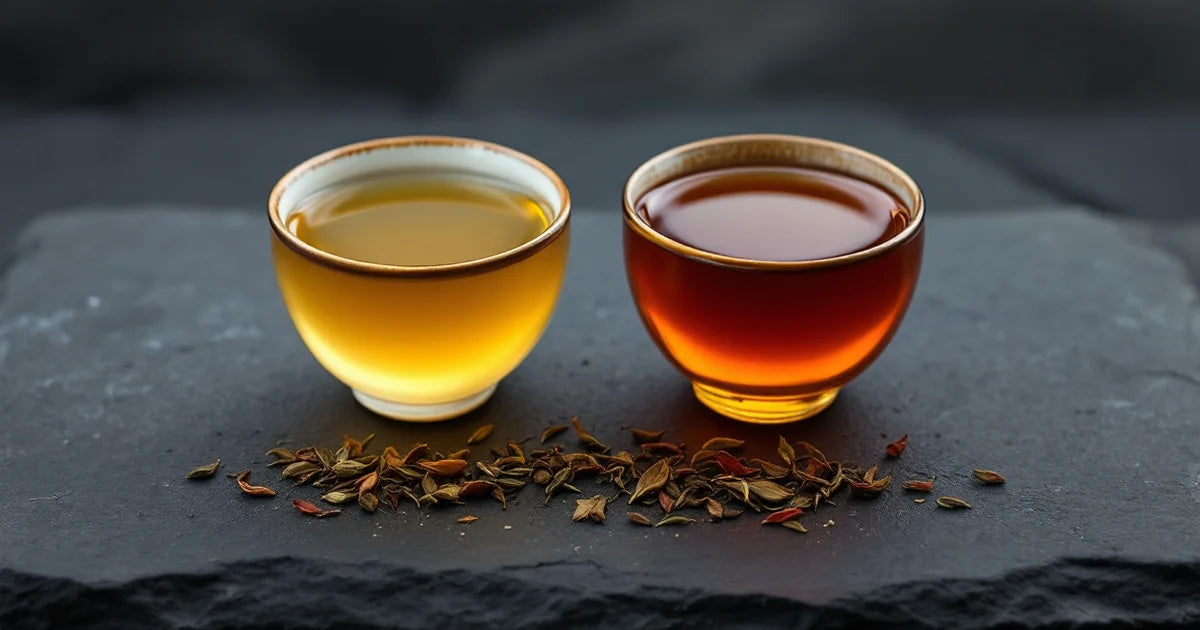
Brewed at a slightly lower temperature than you might expect, it pours a clear amber — lighter than Assam, less asser...
Steamed greens, cut grass, a mineral edge, or the savory depth of edamame broth — the phrase "Japanese green tea" cov...
The cup comes in lighter than you expect. Pale gold shading toward jade, with a sweetness that opens before you reach...
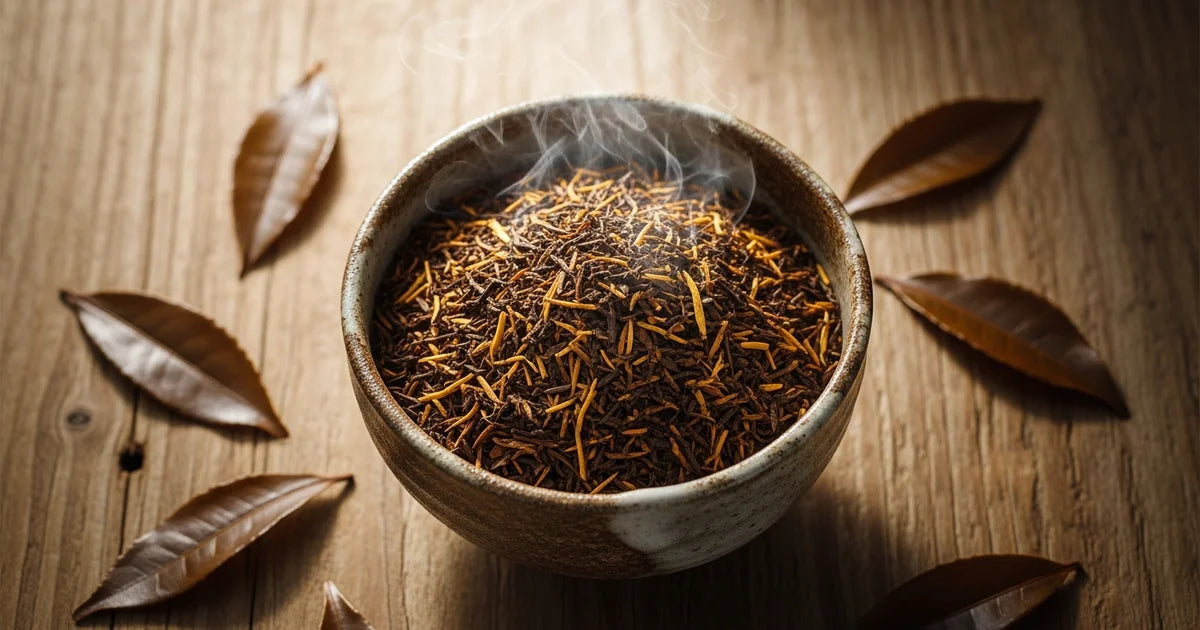
The scent arrives before the flavor does. Something between toasted grain and caramel, warm and round, with a faint s...
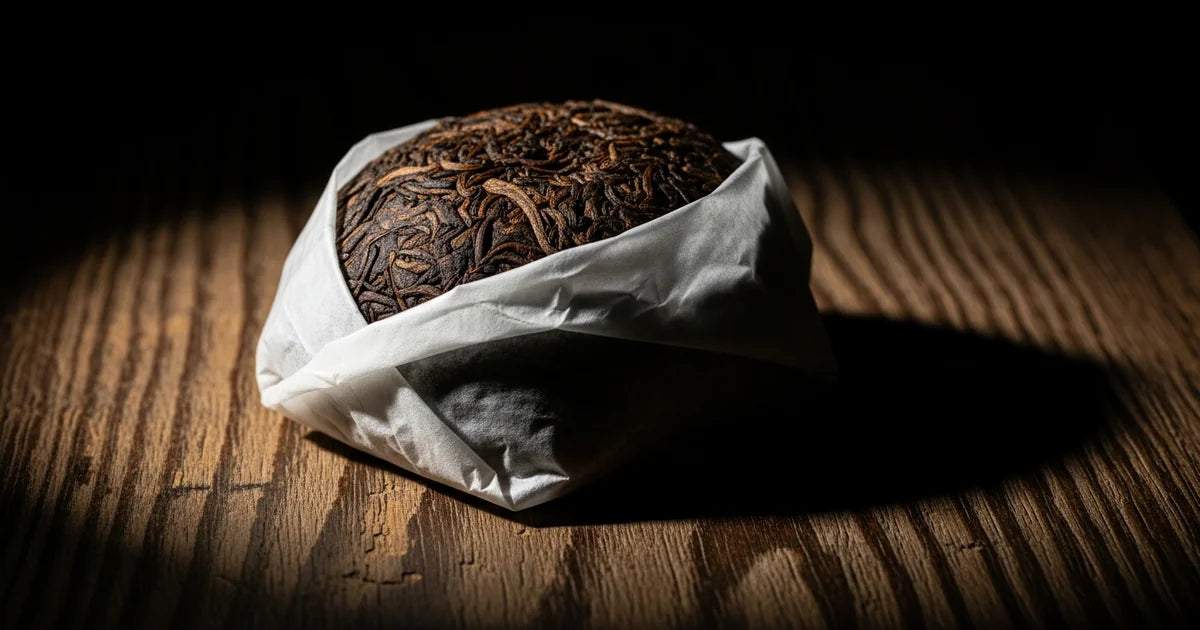
Explore the rich world of fermented tea: unique flavors, health benefits, and brewing artistry for a transformative t...
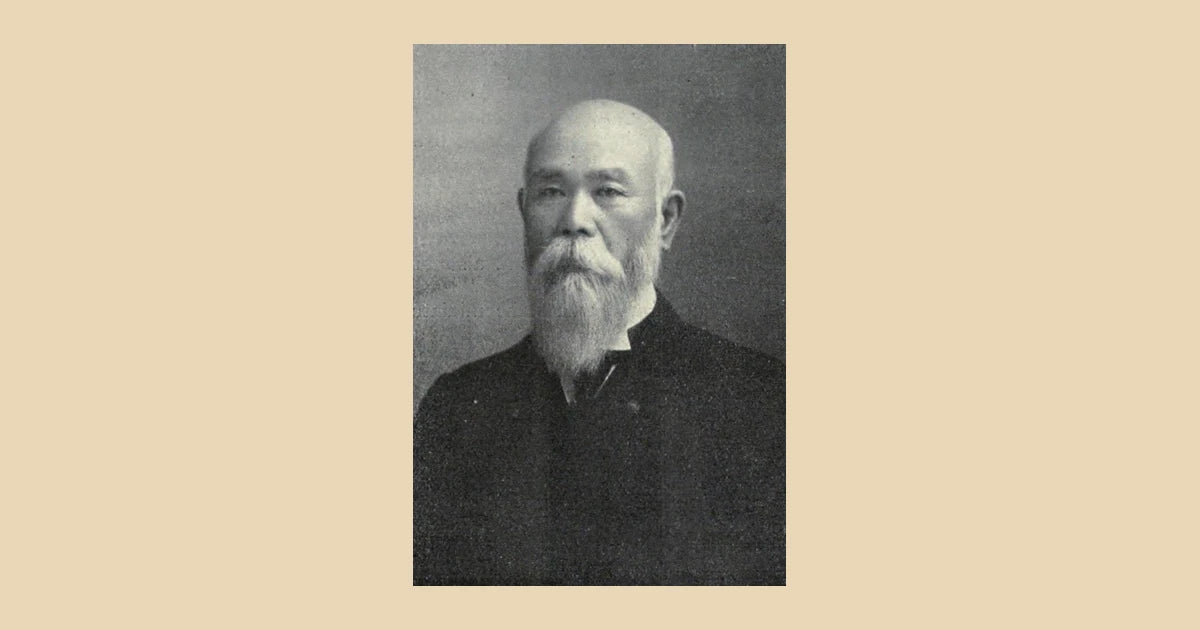
In 1899, a Japanese businessman walked into the World Commerce Congress in Philadelphia and requested a meeting with ...
In the early Meiji period, tea production was done entirely by hand, and each artisan could roll and dry only 3 to 5 ...
Put it into practice
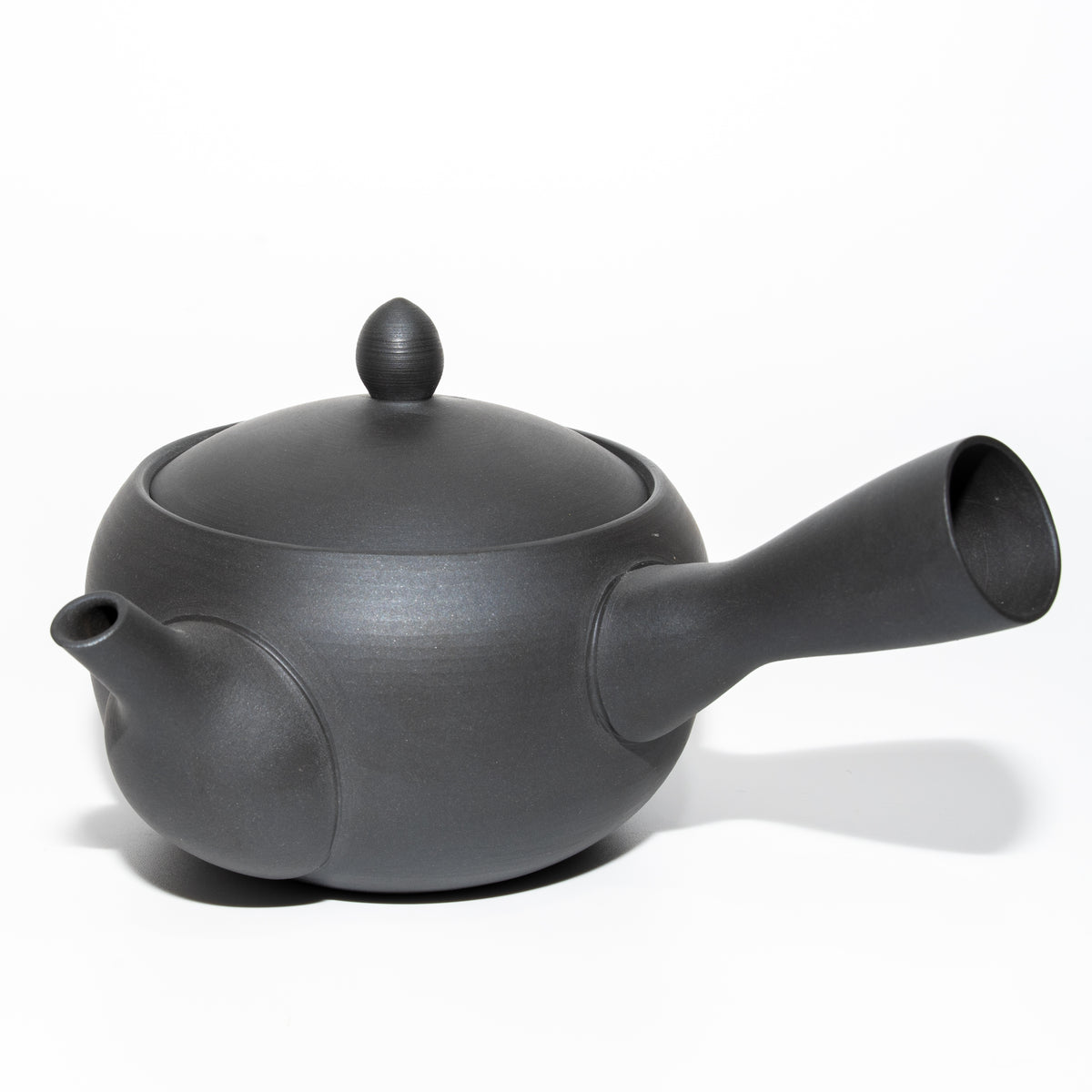
Handcrafted teaware from seven Japanese kilns — and the stories of the people who make it.