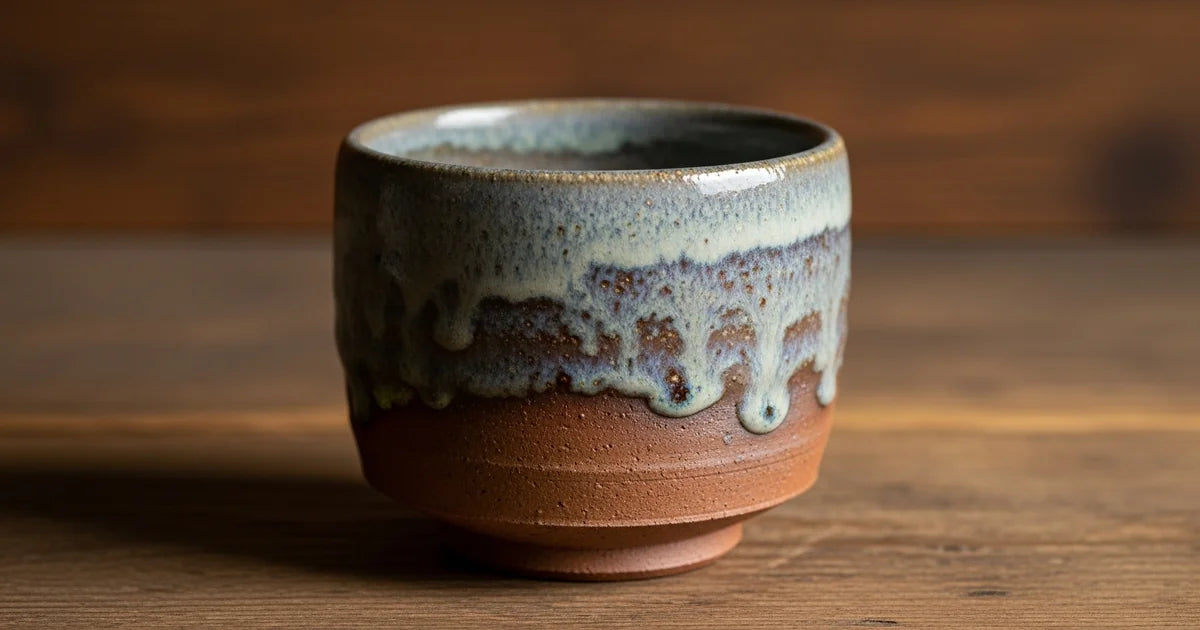
Tokoname Teapots — Japan's Premier Kyusu Ware Explained
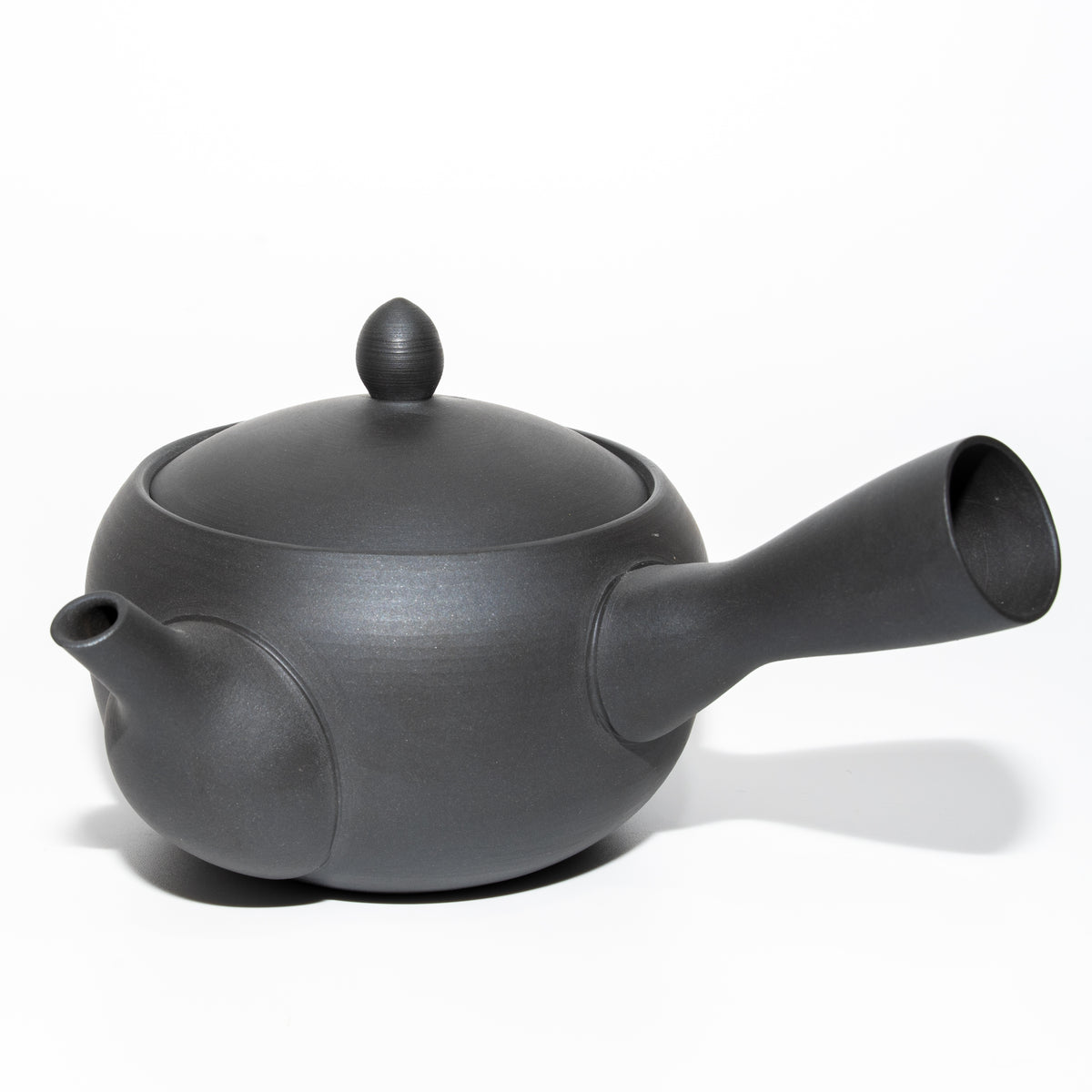
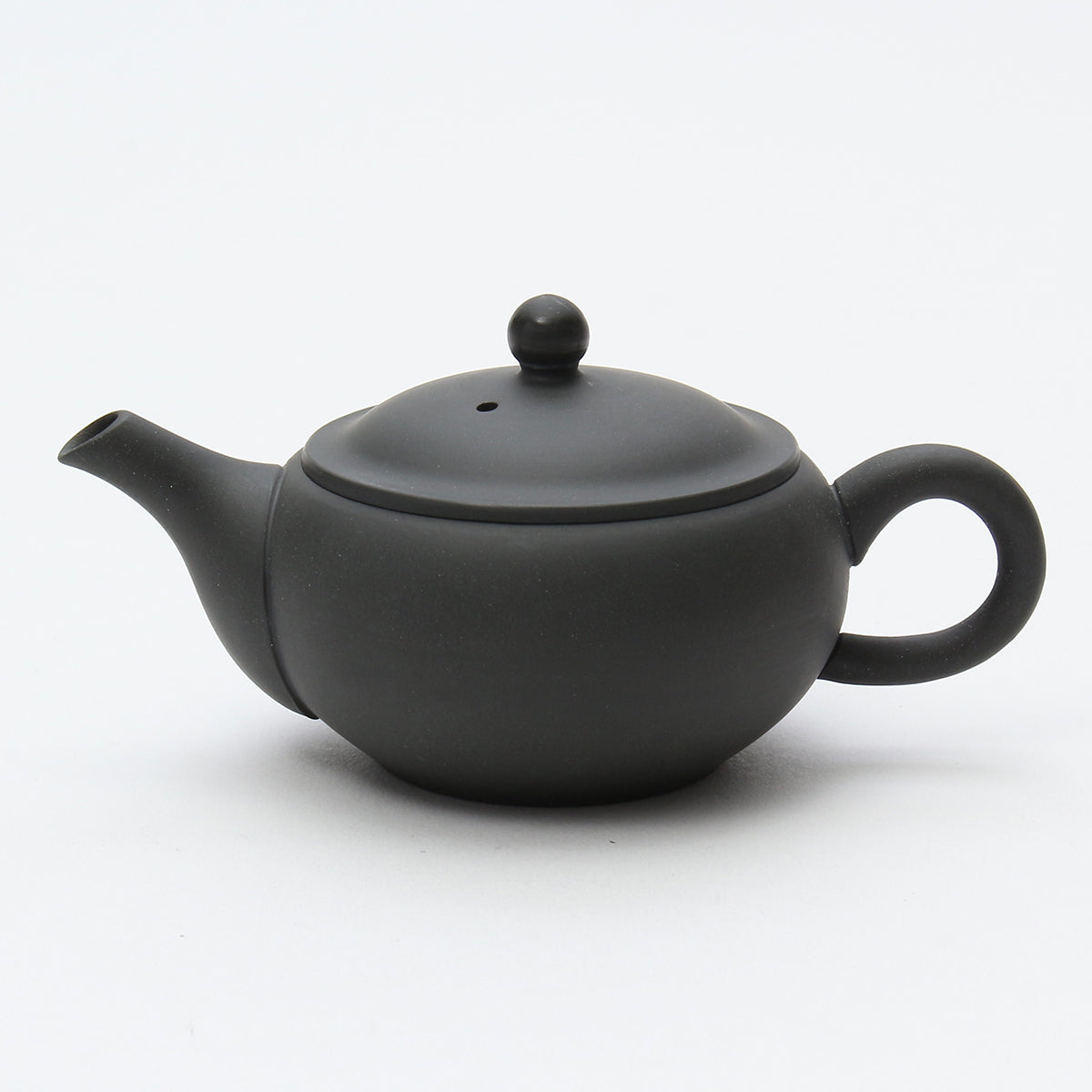
Tokoname Teapots: Japan's Premier Kyusu Ware from an Ancient Kiln A Tokoname kyusu in unglazed red clay sits on the ...
Updated Jun 2026
Read
Japanese Tea Encyclopedia
How to brew, which cultivar, where it grows, and why it tastes the way it does. Written from our experience sourcing and drinking Japanese tea.
Tokoname Teapots: Japan's Premier Kyusu Ware from an Ancient Kiln A Tokoname kyusu in unglazed red clay sits on the ...
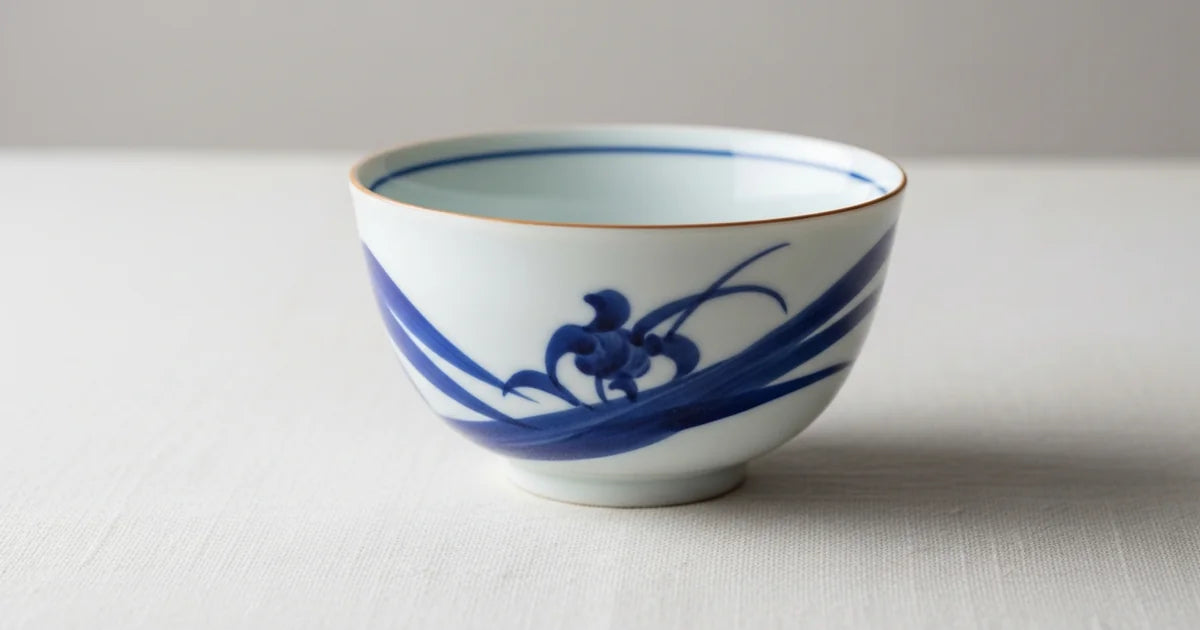
Arita and Imari Porcelain: Japan's First Export Ceramics When European collectors in the seventeenth century spoke o...
Hasami Porcelain: Japan's Most Versatile Teaware Tradition Lift a Hasami yunomi and you notice the weight first — or...
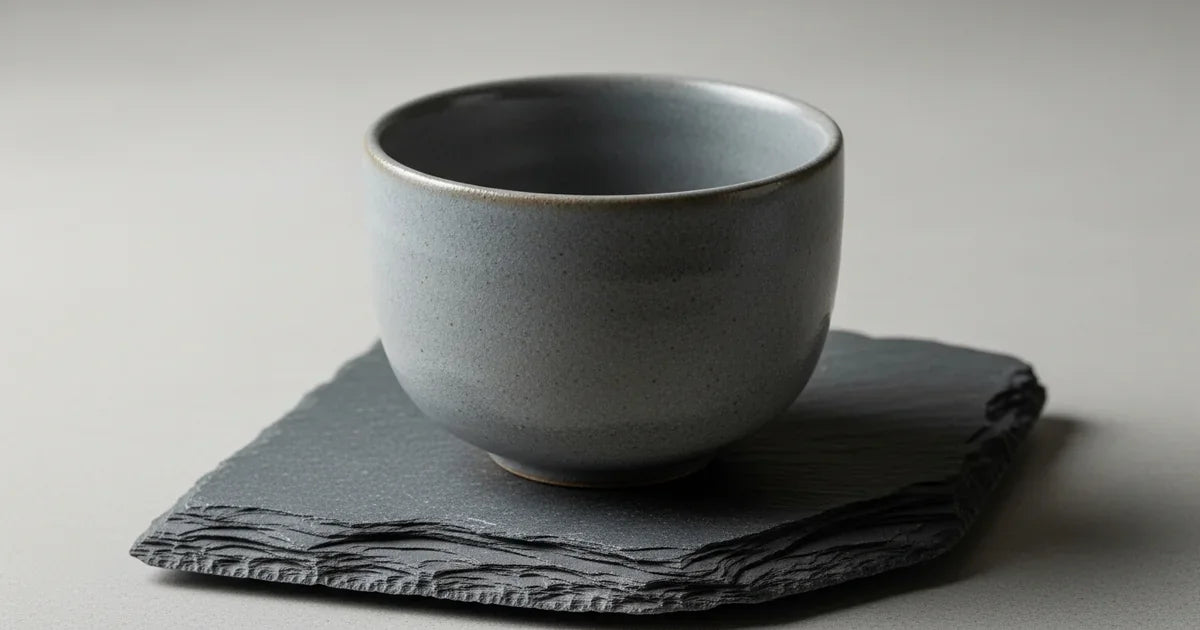
Stoneware Teapots and Teaware: Between Pottery and Porcelain A Tokoname red clay teapot feels different from an Arit...
Porcelain Teaware: Why Japanese Porcelain Makes Such a Good Cup for Green Tea Pour a cup of Shincha into a white por...
Japanese Pottery and Ceramics: A Guide to the Major Traditions Japan has been making ceramics for longer than almost...
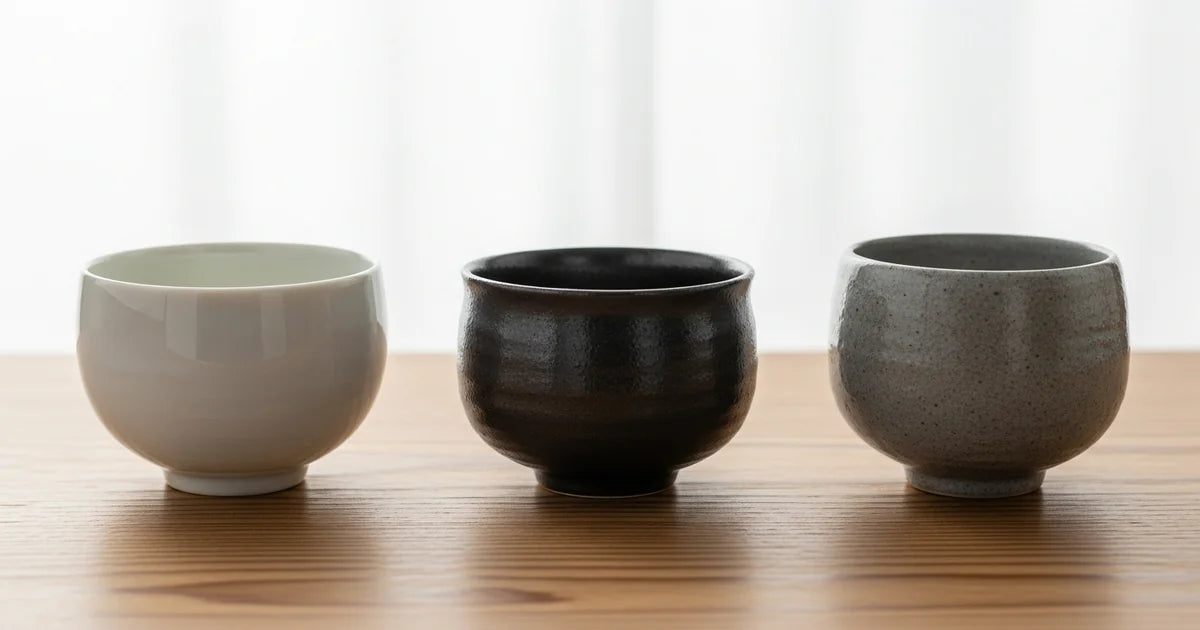
Japanese Teaware Materials: Porcelain, Stoneware, and Pottery Explained Pick up a Tokoname kyusu and a Hasami yunom...
Discover the different types of Japanese tea: Ichibancha, Shincha, Nibancha, Sanbancha, and Yonbancha. This guide cov...
Every tea you have ever tasted — every Sencha, every Darjeeling, every smoky oolong — traces its ancestry to one of t...
In 1859, Yokohama Port opened to foreign trade. Within a decade, green tea had become one of Japan's largest export c...
The Muromachi period (1336–1573) and the Azuchi-Momoyama period that followed were the centuries in which Japanese te...
At Far East Tea Company, tracing the history of Japanese tea always brings us back to this moment: in 1191, Eisai ret...
Put it into practice
Handcrafted teaware from seven Japanese kilns — and the stories of the people who make it.