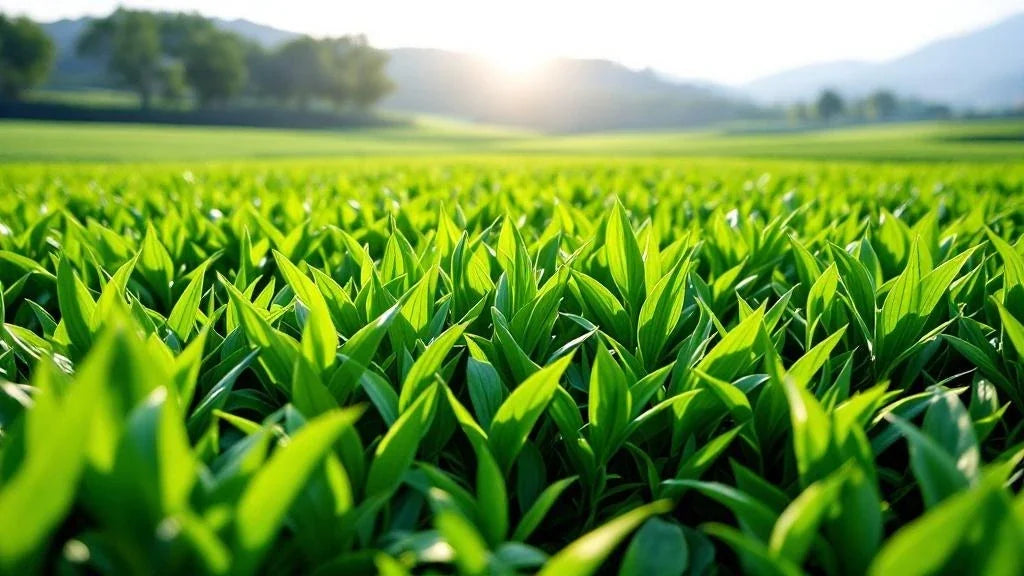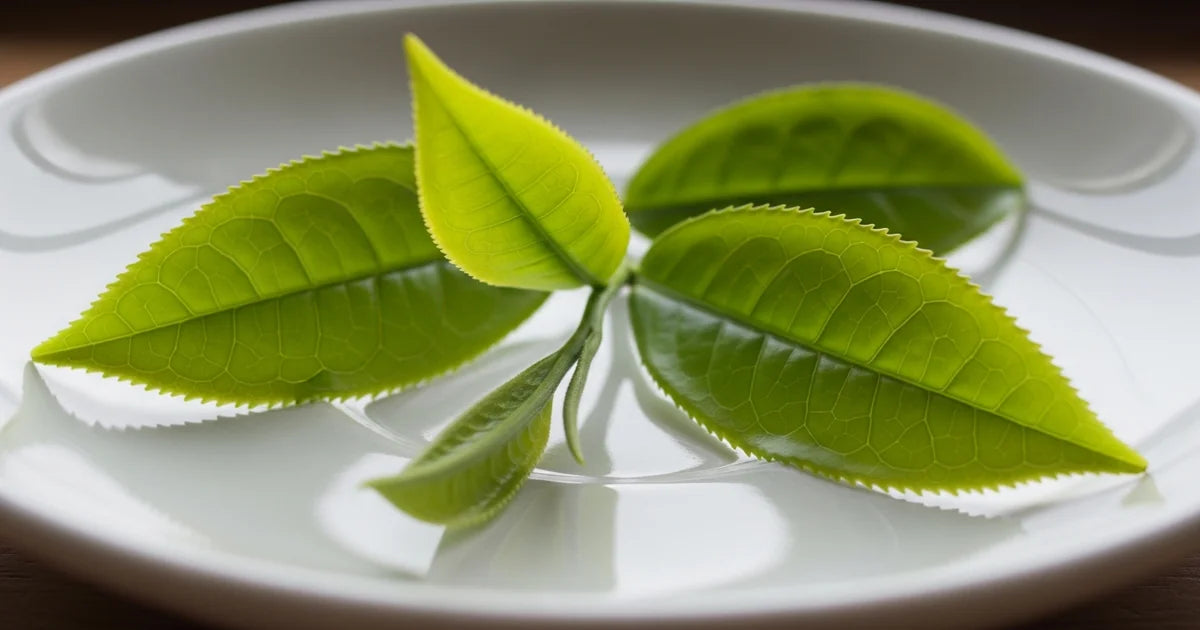
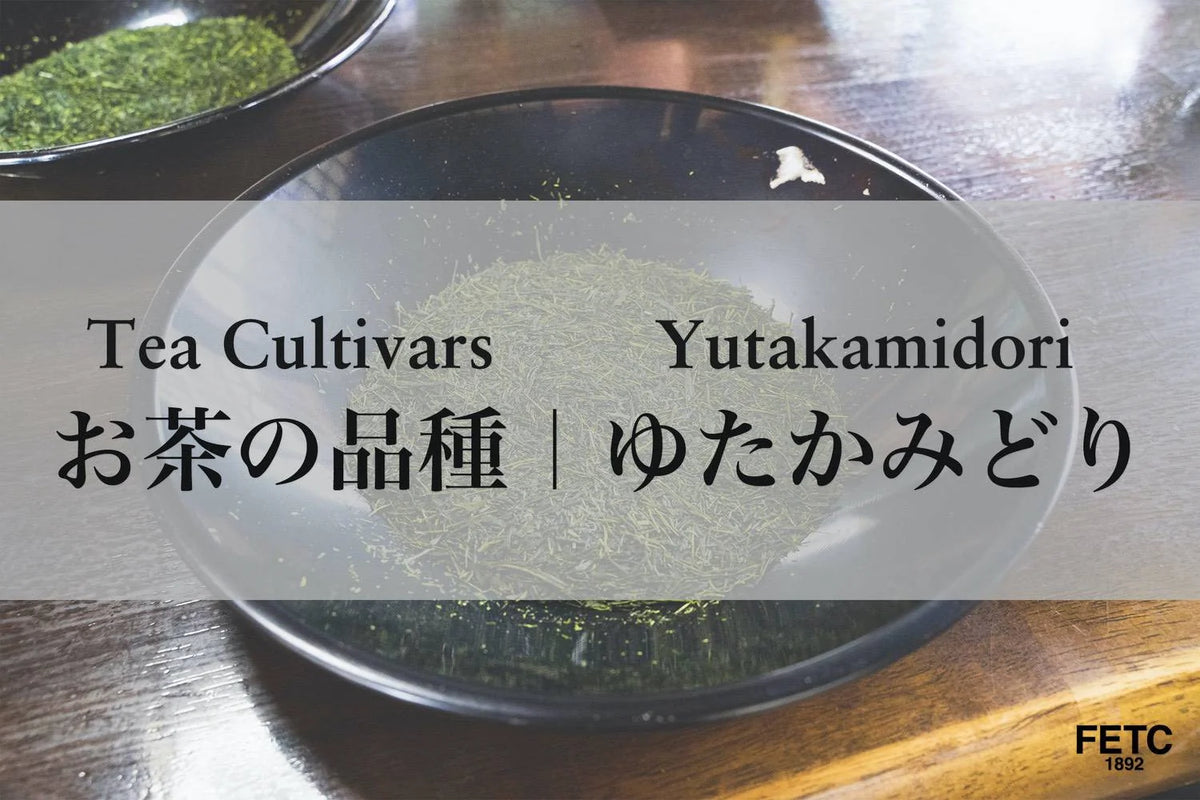
Yutakamidori: Kagoshima's Early-Harvest Green Tea Cultivar
Every year, the first Shincha — Japan's eagerly anticipated new-season tea — comes from Kagoshima. Specifically, it t...
Updated Sep 2026
Read
Japanese Tea Encyclopedia
How to brew, which cultivar, where it grows, and why it tastes the way it does. Written from our experience sourcing and drinking Japanese tea.
Every year, the first Shincha — Japan's eagerly anticipated new-season tea — comes from Kagoshima. Specifically, it t...
Pick up any bag of Japanese Sencha from a shop — a supermarket, a specialty retailer, a tea house. Odds are good that...
Pick up a finished Sencha needle. It is dark green, tightly coiled, almost dry to the touch. Hold it to the light and...
There is a moment, right before the leaves catch, when the kitchen fills with something you cannot quite name — toast...
The bowl glows vivid green — a color that almost hums with intensity — and the flavor that follows is grassy-sweet wi...
Lift the lid of a well-made Kamairicha and the first thing that arrives is warmth — a dry, faintly roasty note that s...
When we brew flowering tea in a clear glass pot, we watch the outer leaves first. They loosen, lift, and separate bef...
Fermented tea like Pu'er tea and Goishicha owe their unique flavors and aromas to the role of microbes. Mold and lact...
Between fully unoxidized green tea and fully oxidized black tea lies a spectrum that contains some of the most comple...
Explore the health benefits of green tea ingredients, from amino acids to polyphenols, and how they enhance well-bein...
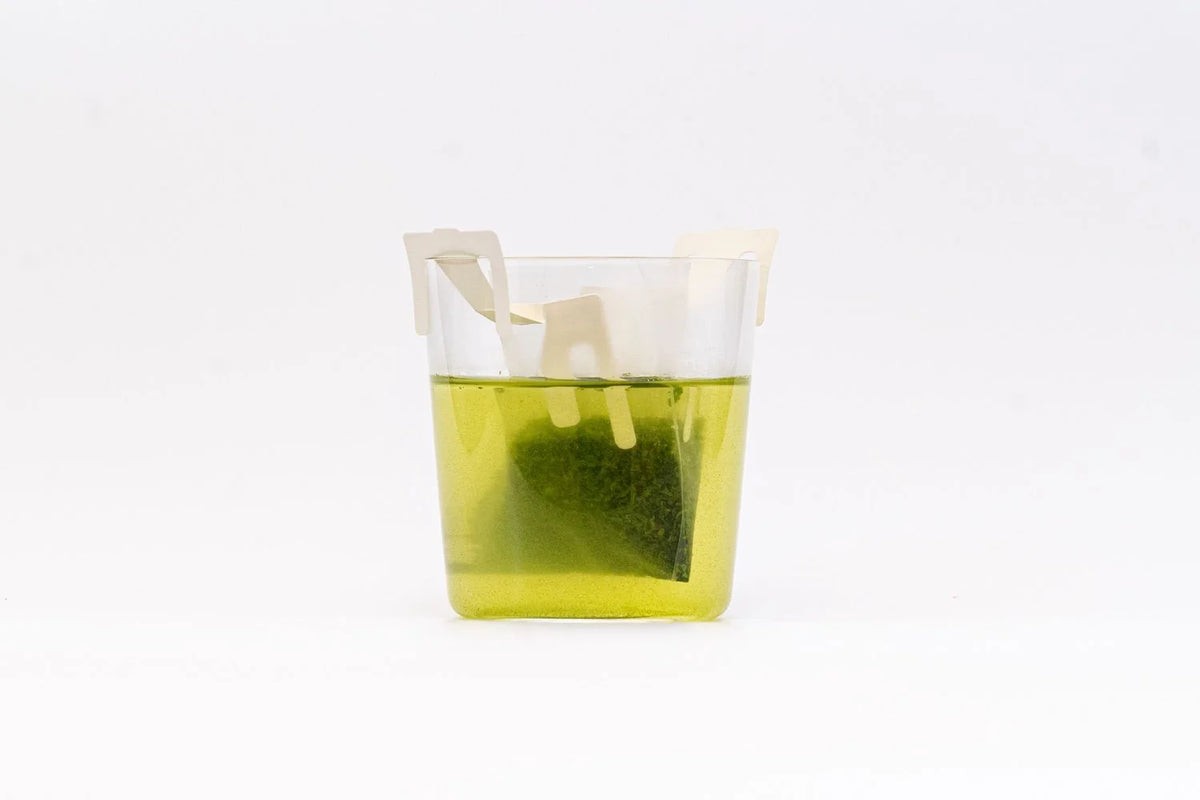
A paper filter hooked over the rim of your cup, a few grams of loose leaf inside, hot water poured slowly. No teapot ...
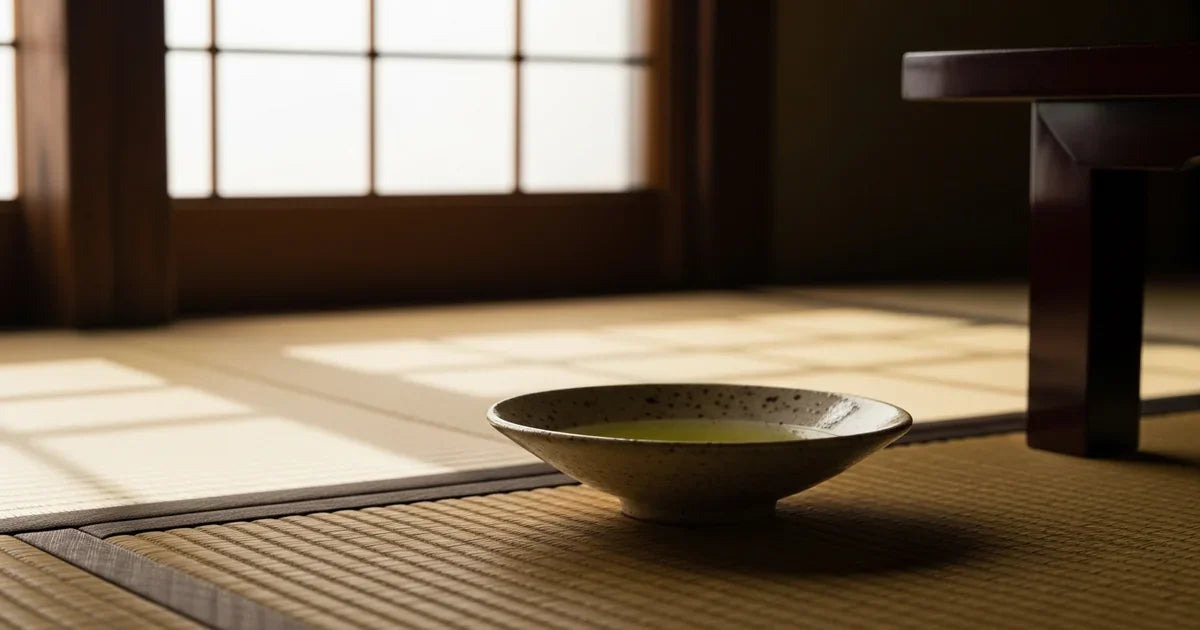
Susuri-cha is a traditional Japanese way of drinking tea directly from a small, lidless cup — or from a lidded yunomi...
Put it into practice
Handcrafted teaware from seven Japanese kilns — and the stories of the people who make it.