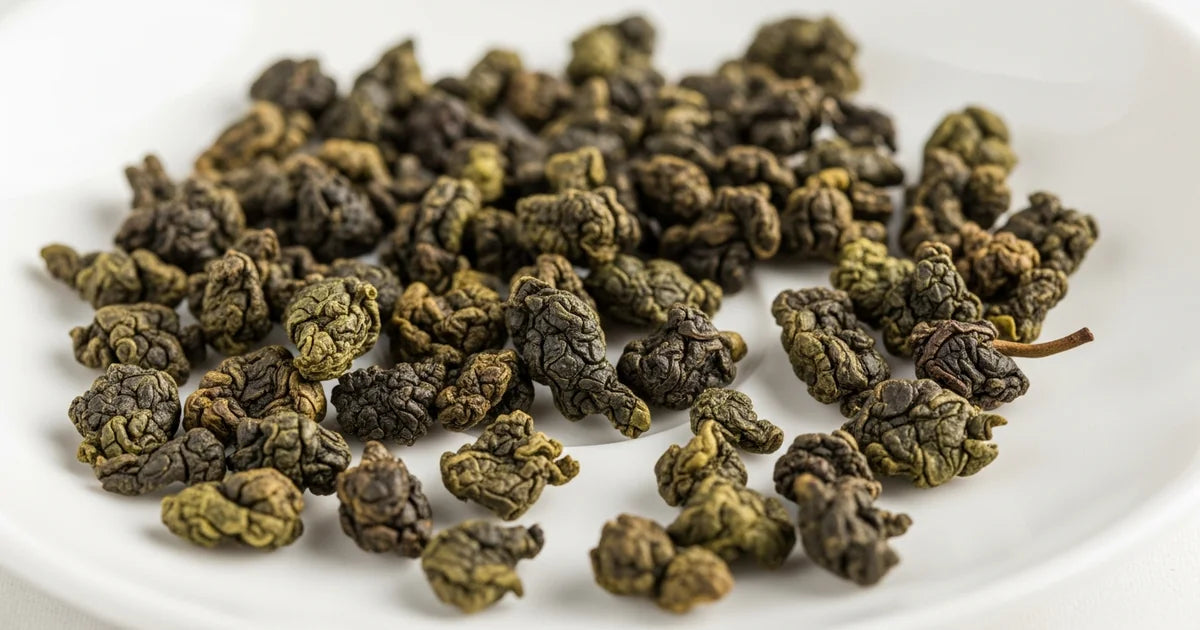
What's in Oolong Tea? Caffeine, Catechins, and Nutrition
Discover the ingredients in oolong tea and how they contribute to its flavor, aroma, and color. Oolong tea contains c...
Updated Sep 2026
Read
Japanese Tea Encyclopedia
How to brew, which cultivar, where it grows, and why it tastes the way it does. Written from our experience sourcing and drinking Japanese tea.
Discover the ingredients in oolong tea and how they contribute to its flavor, aroma, and color. Oolong tea contains c...
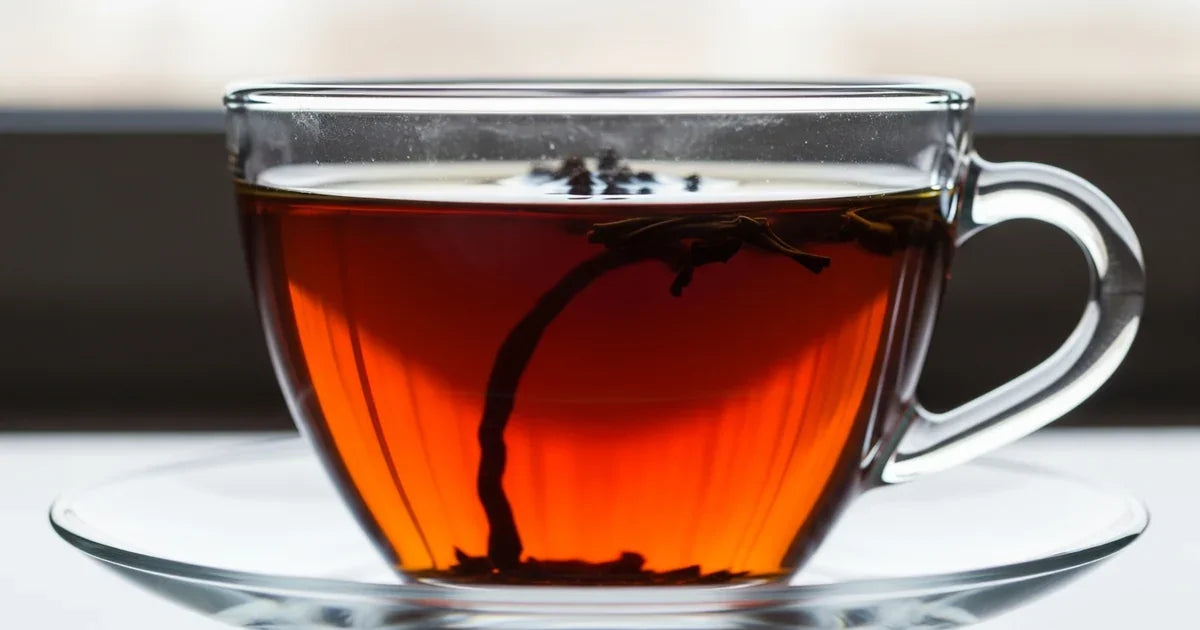
Black tea is fermented and contains catechin, caffeine, amino acids, and aroma components. Fresh tea leaves contain v...
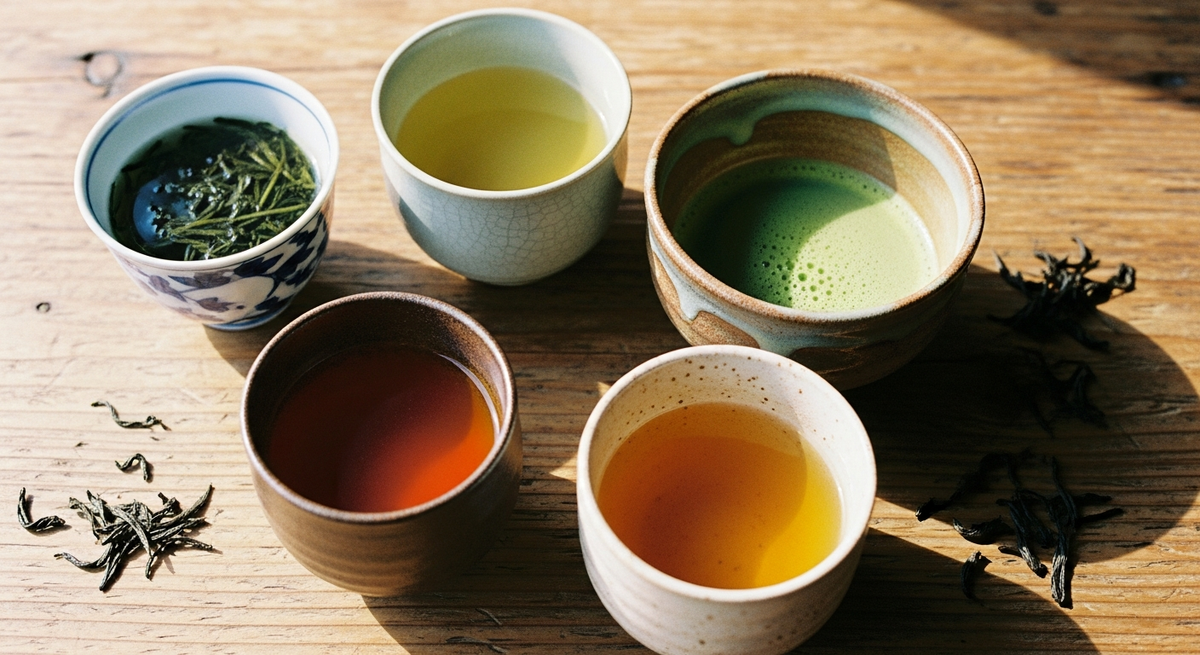
The first clue is aroma. Sencha smells green and brisk, like snapped stems and spring grass. Hojicha rises warm and t...
The leaves at the bottom of the kyusu still smell green, soft, slightly savory. Yes, you can eat tea leaves. If you a...
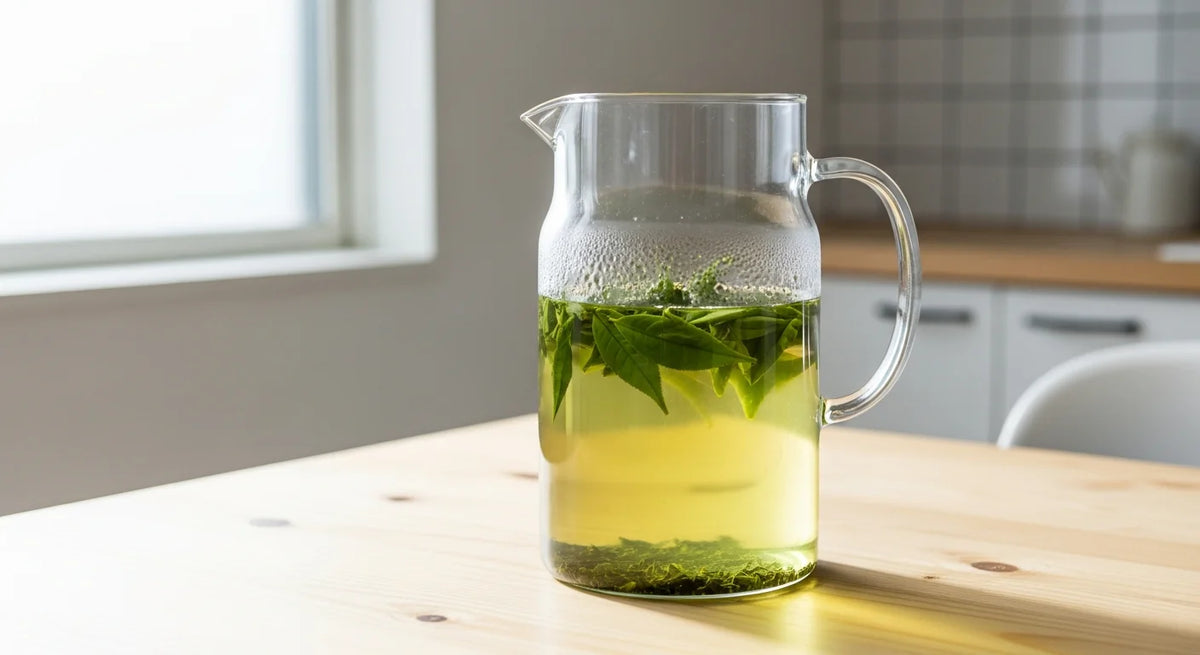
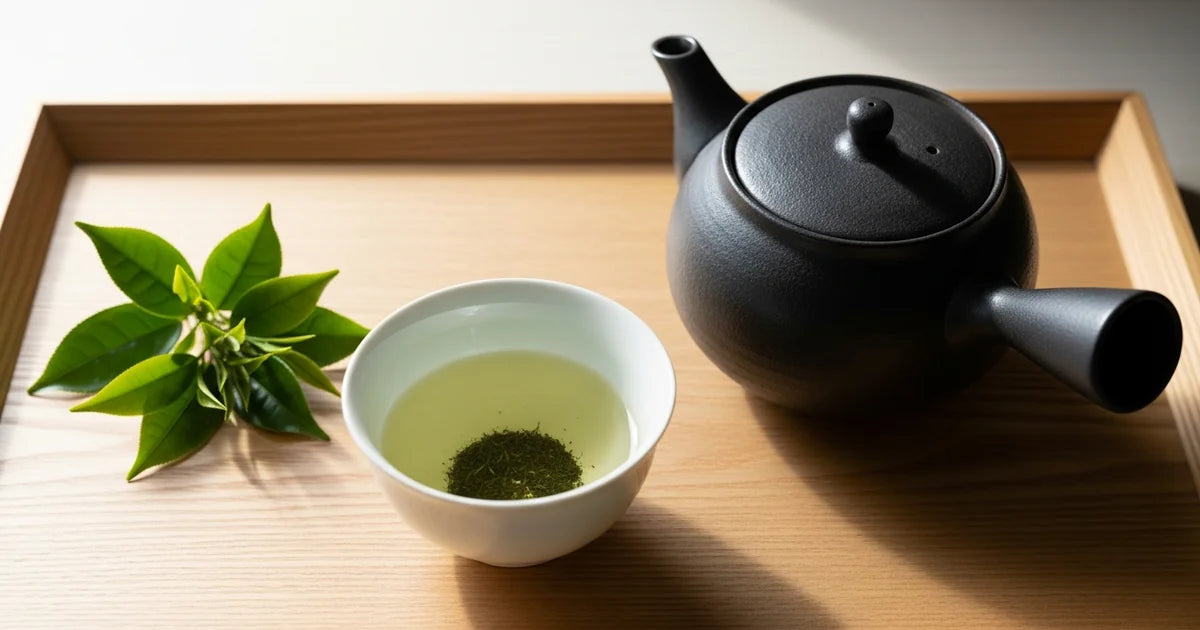
Pale green in the pitcher. Almost transparent at the edges, then suddenly luminous where the light passes through. Th...
If you want to know how to brew Sencha, watch the water before the leaves. The right green tea temperature changes ev...
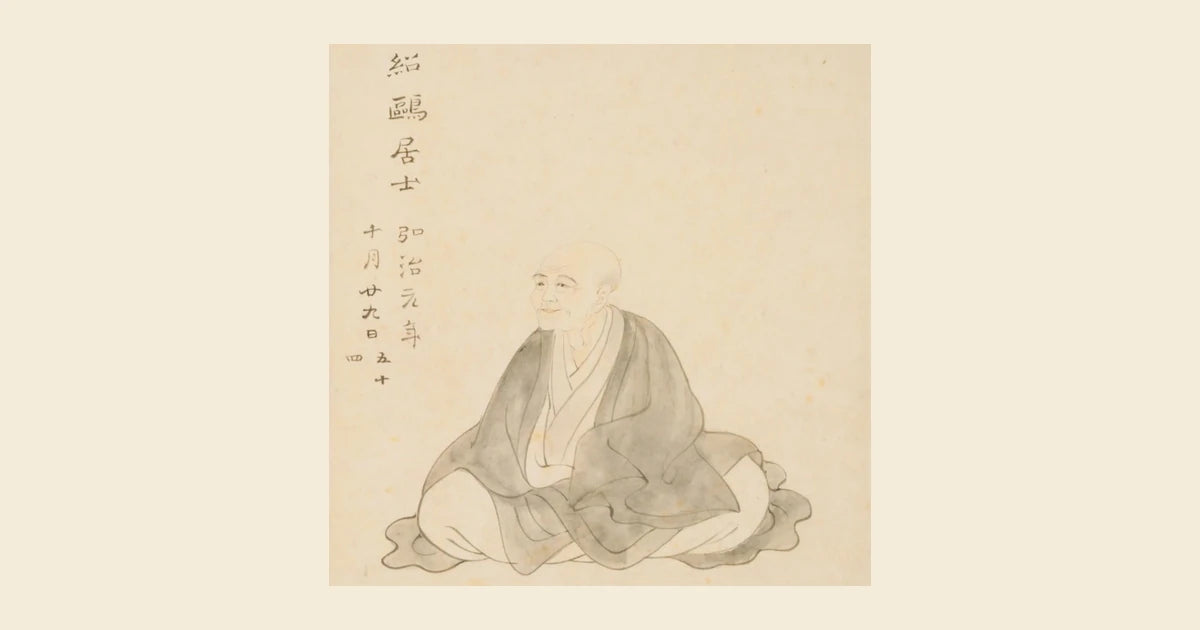
Takeno Joo (c.1502-1555) stands at the center of the wabi-cha lineage: the figure who received the aesthetic directio...
The deep-steamed Sencha from Makinohara — with its rich umami, dense green liquor, and the kind of full-bodied sweetn...
Gyokuro — Japan's most prized shade-grown tea, with its characteristic sweetness and deep umami — was not discovered ...
When you brew Japanese Sencha, there is a good chance the leaves come from Yabukita: according to the Ministry of Agr...
Nitrogen makes tea taste like tea. More precisely: the amino acid theanine — the compound behind the savory, umami-fo...
Weeks before the spring harvest, workers drape long sheets of cloth across the tea field. Sunlight dims. The leaves d...
Put it into practice
Handcrafted teaware from seven Japanese kilns — and the stories of the people who make it.