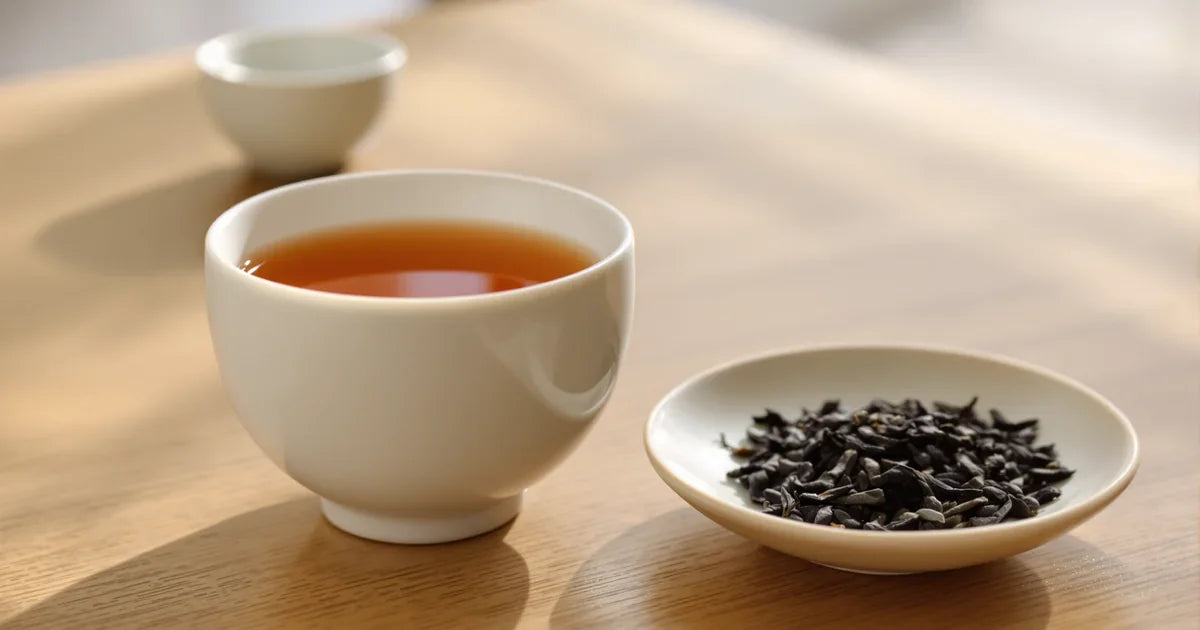

That fresh, grassy brightness you taste in a bowl of high-grade Sencha — and the deep, almost brothy sweetness that lingers in Gyokuro — don't happen by accident. They are the result of a precise chemistry: amino acids that build umami, catechins that sharpen and protect, caffeine that lifts alertness, and a chorus of volatile compounds that carry the aroma. Every cup is, in a sense, a distillation of everything the Camellia sinensis plant synthesized from soil, light, and the skill of the grower.
Green tea's flavor and health properties trace back to the same compounds. Understanding what's in the leaf — and how cultivation, shading, and steaming shift that balance — gives you a clearer picture of why different teas taste so different, and why Japanese green tea has earned such enduring attention from researchers and tea lovers alike.
The information provided here is for educational purposes and is not a substitute for professional medical advice. Consult your doctor or healthcare professional before making changes to your diet based on health goals.
Types of Green Tea
Japanese green tea encompasses a range of varieties, each shaped by different cultivation methods and processing techniques. The most common types — Sencha, Fukamushi Sencha, Kabusecha, and Gyokuro — differ considerably in flavor, color, and umami depth.
Sencha
This is the most popular type in Japan, and historically the dominant category in Japanese tea production. The cultivar behind most Japanese Sencha is Yabukita, which has accounted for the majority of Japanese tea acreage — though its share is gradually declining as Tencha and other varieties expand. Sencha is characterized by its delicate balance of sweetness and bitterness, with a fresh grassy aroma. The leaves are steamed for a short period immediately after picking, which prevents oxidation and preserves their vibrant green color.
Deep-steamed Sencha (Fukamushi Sencha)
As the name suggests, this variety undergoes a longer steaming process than regular Sencha. Steaming the fresh leaves two to three times longer than for ordinary Sencha produces finer leaves and a deep green cup with little astringency and rich sweetness. It has less astringency and a deeper green color with more pronounced grassy notes.
Kabusecha
Kabusecha is shaded for approximately one week before harvesting using covered cultivation. This practice increases the chlorophyll content and reduces tannins, resulting in a sweeter and more full-bodied flavor compared to Sencha. It's often described as having a rich umami taste due to its higher levels of amino acids.
Gyokuro
Renowned for its superior quality, Gyokuro is shaded for about 20 days before plucking. This shading process dramatically increases its theanine content, which gives Gyokuro its distinctive sweet flavor and intense umami characteristics. Gyokuro leaves are also rolled into fine needles which contribute to its unique appearance.
Each variety offers a distinct sensory experience shaped by cultivation method, shading duration, and leaf handling — from the crisp brightness of Sencha to the deep umami of Gyokuro. Our guide to Japanese tea types maps these differences in more detail.
Key Green Tea Ingredients
Green tea's flavor and health properties come from a layered blend of bioactive compounds — each one contributing something distinct to what ends up in the cup.
Amino Acids
Green tea contains several amino acids that play crucial roles in its taste profile and health benefits:
- Theanine: This amino acid is responsible for the umami taste, a savory flavor depth that distinguishes high-quality green teas like Gyokuro. Research suggests Theanine may promote relaxation and help soften the stimulating effects of caffeine.
- Glutamic Acid & Aspartic Acid: These contribute to the tea's flavor complexity and are involved in neurotransmission.
- Arginine & Serine: These may play a role in cognitive function and are being studied for potential cardiovascular effects.
Amino acids are not simply building blocks for proteins; they are involved in a myriad of physiological processes, making them indispensable for overall well-being. For a deeper look at how L-theanine shapes flavor and focus, our theanine guide covers the compound in detail.
Catechins
Catechins are a group of polyphenols renowned for their antioxidant properties. They form the majority of green tea's polyphenol content and are pivotal in fighting oxidative stress within the body. Prominent catechins include:
- Epigallocatechin Gallate (EGCG): This is the most studied catechin in green tea, with research examining its potential role in antioxidant activity and various metabolic markers. For detailed information on catechins, consider visiting Far East Tea Company's guide on tea ingredients.
Caffeine
Green tea contains caffeine, an alkaloid that stimulates the central nervous system, promoting alertness and supporting general metabolic activity. Its content varies among different types of green tea but is generally lower compared to coffee. To learn more, see our guide to caffeine in green tea.
Saponin
Saponin is found in green tea in small quantities. It imparts a distinctive bitterness and foaming characteristic. Laboratory studies have explored its properties, though clinical evidence in humans for any specific health effect remains preliminary. The concentrations used in research studies typically come from concentrated extracts — considerably higher than what a brewed cup of green tea would contain. For further insight into saponin's impact on health, our saponin ingredient guide goes deeper into this compound.
Aroma Components
The aroma of green tea is influenced by various components:
- Linalool: This naturally occurring alcohol contributes to the floral scent typical of some green teas.
- Dimethyl Sulfide: It adds a unique vegetal note to the aroma profile.
These aromatic compounds not only delight the senses but may also interact with bioactive ingredients to enhance their efficacy.
Vitamins
Green tea leaves are packed with vitamins essential for numerous bodily functions:
- Vitamins A, C, E: These vitamins act as powerful antioxidants.
- Vitamin B Complex: Including B1, B2, niacin, and pantothenic acid, these vitamins are vital for energy metabolism and maintaining healthy mucous membranes.
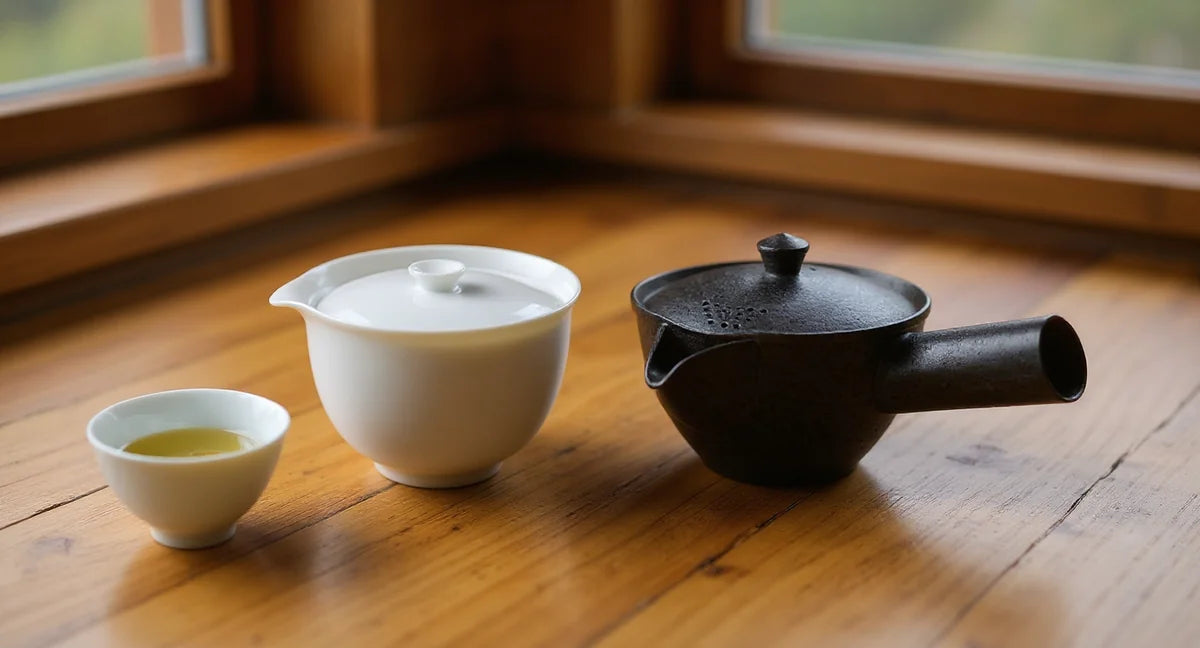
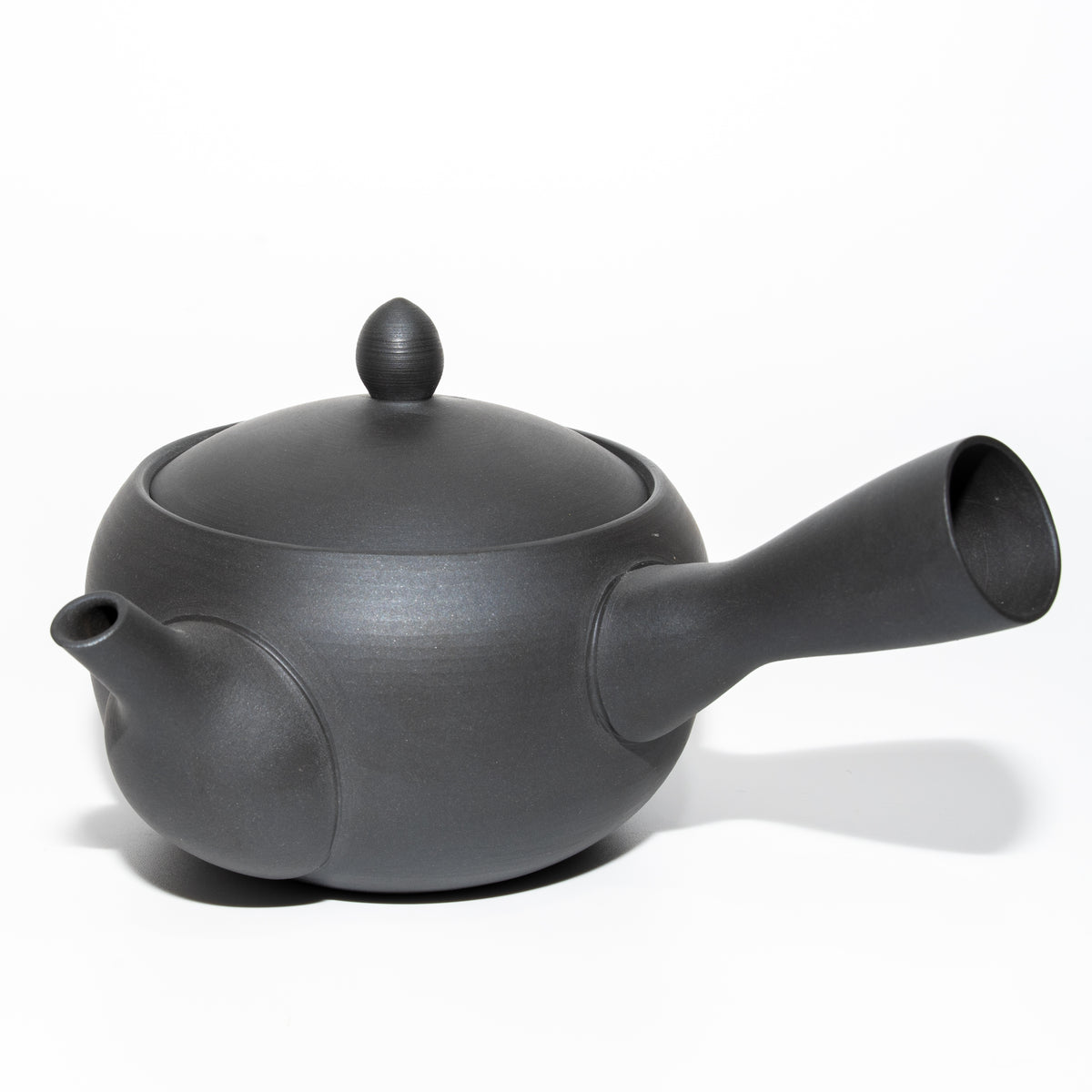
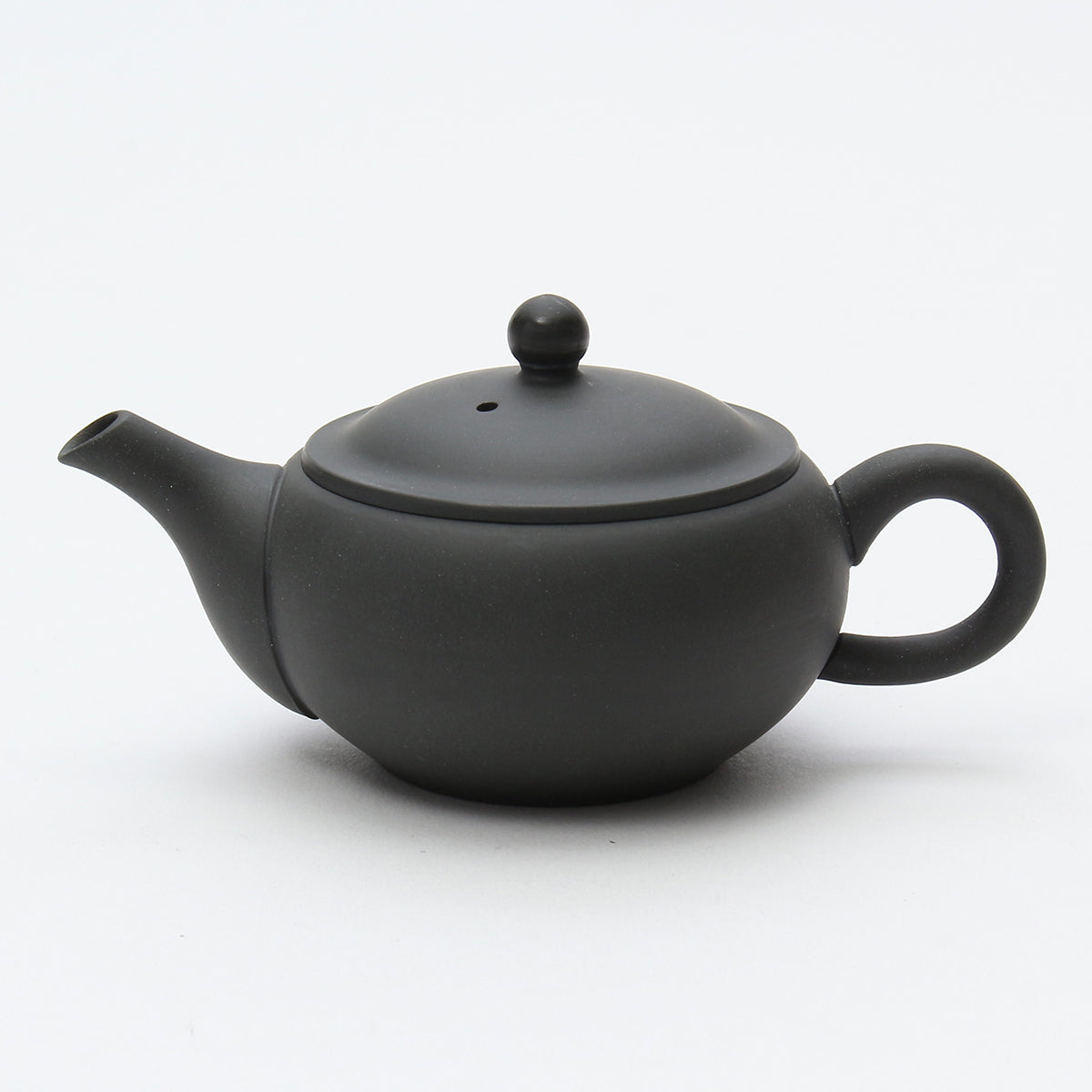
For which vitamins survive brewing and how preparation method affects what reaches your cup, see our tea vitamins guide. In brewing, teaware material also affects how quickly water cools between kettle and cup.
Chlorophyll
Chlorophyll gives green tea its vibrant color and contributes to its nutritional profile. It's particularly abundant in shaded varieties such as Kabusecha and Gyokuro due to their adapted growth conditions with less sunlight exposure.
Each component within green tea works synergistically to provide its unique health benefits. From amino acids that modulate neurotransmitter activity to catechins that protect cells from oxidative damage, this combination of compounds is part of why green tea draws attention from both researchers and the people who drink it every day.
Among shaded varieties, ōi-ka (覆い香, literally "covering fragrance") — refers to teas where shading has been extended to intensify amino acid concentration. These leaves carry an especially pronounced umami, with a savory depth that makes them prized by serious tea drinkers. The principle applies across the shaded spectrum: the longer the shade, the more theanine accumulates and the richer the umami becomes. Brewed tea does not deliver every leaf component: only about 20–30% dissolves into hot water and most stays in the spent leaves; the Japanese food composition table lists no vitamin A (β-carotene) for Sencha infusion.
Health Benefits of Green Tea Ingredients
Green tea's health benefits trace directly to its compound profile — amino acids, catechins, vitamins, and minerals working together in ways researchers are still mapping. The associations listed below are drawn from population studies and laboratory research. As with all nutritional science, findings vary by study design, individual biology, and dose. If you are considering green tea for a specific health goal, speak with a healthcare professional.
- Mineral Contribution — Tea provides a range of minerals including potassium, manganese, and fluoride that contribute to daily nutritional intake.
- Hangover Mitigation — Some research suggests the amino acids and catechins in green tea may support liver function, though evidence for direct hangover relief is preliminary.
- Lifestyle Disease Risk — Regular consumption of green tea is associated in population studies with a modestly lower risk of high blood pressure and certain metabolic conditions. This association is largely attributed to polyphenols and catechins with antioxidant and anti-inflammatory properties. These are associations, not proven preventive claims.
- Digestive Comfort — Most dietary fiber remains in the tea leaf rather than dissolving into the brewed cup. Consuming the whole leaf — as with Matcha — provides significantly more fiber. Brewed green tea may still support digestive comfort through other components such as catechins.
- Fatigue and Focus — The caffeine in green tea acts as a stimulant that may reduce fatigue and improve mental alertness. Combined with L-theanine, the effect tends to be steadier than caffeine alone.
- Oral Health — Green tea's antimicrobial compounds may help reduce oral bacteria associated with bad breath. Fluoride, present in green tea, is well-established for its role in supporting tooth enamel.
These associations come from research into green tea's compounds, and do not constitute medical advice. Always consult a healthcare professional for any medical concern or before making significant dietary changes.
Green Tea and Cancer: What the Research Actually Shows
EGCG — epigallocatechin-3-gallate, the most abundant catechin in green tea — has been studied more extensively than almost any other compound in the leaf. The research picture is genuinely interesting, and genuinely incomplete.
What laboratory research shows
In cell and animal studies, EGCG has been found to interact with several molecular pathways involved in the growth of cancer cells. In laboratory models, researchers have observed effects on cell proliferation, programmed cell death (apoptosis), and the formation of new blood vessels that tumors depend on. These are meaningful findings — they tell us something real about the compound's biological activity.
Some population-level studies suggest an association between regular green tea consumption and lower incidence of certain cancers. A 2025 meta-analysis of 43 studies found an association (relative risk approximately 0.72 for EGCG intake). However, observational associations cannot establish causation, and confounding factors — diet, lifestyle, genetics — make it difficult to isolate green tea's contribution.
The gap between the lab and the clinic
This is where caution is warranted. Clinical trials in people at increased risk of cancer have not yet confirmed preventive benefits from EGCG supplementation. The mechanisms observed in cell cultures and animal models have not translated directly into human clinical evidence. The research is ongoing and promising — but it is not at the stage where green tea can be recommended as a cancer-preventive intervention.
Green tea is a rich source of antioxidants. Antioxidants help reduce oxidative stress, which plays a role in cellular damage. That much is established. Whether that translates into cancer risk reduction for a given individual, at everyday consumption levels, remains an open question. If you have personal or family health concerns related to cancer, consult your oncologist or healthcare provider — they can give you guidance based on your specific situation.
Green Tea, Oxidative Stress, and Antioxidant Support
Smoking dramatically increases oxidative stress in the body. Green tea's catechins are well-studied antioxidants, and some preliminary human research suggests that regular consumption may help reduce certain markers of oxidative stress — including in people who smoke. That is a modest but real finding.
The role of catechins and tannins
The primary relevant compounds here are catechins — particularly EGCG — which have antioxidant activity in the body. Tannins, the broader class of polyphenols that catechins belong to, may also bind to certain toxic substances, potentially reducing their absorption. These effects have been observed in laboratory and some human studies, though the evidence is more preliminary than for green tea's cardiovascular or metabolic associations.
One claim that circulates about green tea and smokers is that it replenishes vitamin C depleted by smoking. This is not supportable. MEXT's food-composition table lists 6mg of vitamin C per 100g of Sencha infusion, prepared with 10g of tea in 430mL of water at 90°C for one minute. According to the U.S. National Institutes of Health's Office of Dietary Supplements, people who smoke need 35mg more vitamin C per day than nonsmoking adults. Green tea is not a meaningful source of vitamin C for this purpose.
Green tea does not compensate for the health harms of smoking and is not a substitute for quitting. If reducing smoking-related risk is a health priority for you, the evidence-backed strategies — cessation programs, medical support, lifestyle changes — are where the impact is. Green tea can be a pleasant part of a health-conscious routine; it is not a countermeasure.
Taste and Flavor Profile of Green Tea
When you sip green tea, your palate is greeted by a complex interplay of volatile and non-volatile substances that contribute to its unique taste and aroma profile. These include:
Components that Influence Taste
- Polyphenols: Green tea's signature astringency comes from these compounds, particularly catechins, which provide health benefits alongside their distinct sharpness.
- Amino Acids: L-theanine, a prominent amino acid in green tea, imparts a characteristic umami flavor — the savory richness that balances the bitterness of polyphenols.
- Organic Acids: These contribute to the overall tartness and freshness, adding depth to green tea's flavor complexity.
- Vitamins: While not directly influencing taste, vitamins A, C, and E play subtle roles in the development of green tea's flavor through their interaction with other compounds.
Aromatic Notes in Green Tea
The aroma compounds present in green tea are numerous and diverse. Some exude scents reminiscent of roasted leaves or freshly cut grass, while others might evoke floral or earthy notes. For an in-depth exploration of these aromatic components, consider visiting Far East Tea Company, where they discuss the array of aroma compounds found in tea.
Understanding the balance between these elements is key to appreciating the full spectrum of flavors that green tea has to offer. Each cup shifts through different notes and sensations — from brisk and invigorating to smooth and calming.
As you explore further into the realm of green tea varieties and their health benefits, keep in mind that every type has its distinctive flavor profile shaped by these ingredients.
For how these compounds transform in black tea, see black tea ingredients. To see how partial oxidation changes this balance in oolong, see our oolong tea ingredients guide. And to see how roasting transforms this composition in Hojicha, see our guide to Hojicha ingredients.
Catechin: green tea's most studied polyphenol
Among the various polyphenols found in green tea, catechin — and EGCG in particular — has accumulated the most research attention. Here is what the evidence supports, and where it remains tentative.
What catechins may do for your health
- Antioxidant activity — catechins neutralize harmful free radicals in the body. This is mechanistically well-established.
- LDL cholesterol — studies suggest a modest reduction in LDL (bad) cholesterol with regular green tea consumption. The effect size is small-to-moderate and varies by individual. If managing cholesterol is a health concern, discuss this with your doctor alongside other interventions.
- Blood pressure — some studies report a small reduction in blood pressure. Clinical significance varies, and the evidence is less consistent than for cholesterol. Not a substitute for medical management of hypertension.
- Weight and metabolism — catechins may help support weight management by modestly boosting fat oxidation. Effects are generally small and work best alongside diet and activity changes.
If you are curious about what goes into growing these leaves, we cover pesticides in Japanese tea and the role of fertilizers used in tea cultivation in shaping tea composition.
To learn how these compounds translate into real health benefits, see our guide to green tea benefits.
Cautions: Pregnancy, Medications, and Special Populations
Green tea is generally well-tolerated in moderate amounts for most adults. However, certain groups should exercise caution:
- Pregnancy — Caffeine passes through the placenta. Health guidelines in multiple countries recommend limiting caffeine intake during pregnancy to under 200mg per day (total from all sources). High-grade Japanese green teas such as Gyokuro contain significantly more caffeine per cup than standard Sencha. If you are pregnant, count green tea toward your daily caffeine total and discuss your intake with your midwife or obstetrician.
- Anticoagulants (blood thinners) — Green tea contains vitamin K, which can interact with warfarin (Coumadin) and similar medications. If you are on anticoagulant therapy, maintain consistent green tea consumption from week to week and inform your prescriber. Sudden large increases in intake can affect INR levels.
- Iron absorption — Catechins can bind to non-heme iron, potentially reducing its absorption when tea is consumed with iron-rich meals. If you are managing iron-deficiency anemia, consider spacing green tea consumption away from iron-rich foods or iron supplements.
- Concentrated green tea extracts (supplements) — Rare cases of hepatotoxicity have been linked to high-dose green tea extract supplements, not to brewed tea. The European Food Safety Authority (EFSA) has issued an assessment on this distinction. Brewed green tea at typical consumption levels is not associated with liver risk.
If you are managing a medical condition or take prescription medications, consult your healthcare provider before significantly increasing your green tea intake.
References
- Musial et al., International Journal of Molecular Sciences (2020) — review article on green tea catechins.
- Kuriyama et al., JAMA (2006) — cohort study on green tea consumption and mortality outcomes in Japan.
- NIH Office of Dietary Supplements — Green Tea Fact Sheet — professional fact sheet on green tea.
- MEXT — Standard Tables of Food Composition in Japan (sencha infusion) — Japanese food composition item page for sencha infusion.
- Food Safety Commission Fact Sheet on Caffeine — Japanese fact sheet summarizing information on caffeine in foods.
At Far East Tea Company, we source green teas chosen for their compound integrity — from the theanine-rich Gyokuro grown under weeks of shade to the bright, catechin-forward Sencha of early harvest. Explore our green tea collection to find the style that fits your palate and your reasons for drinking.
Frequently Asked Questions
Why do Sencha, Kabusecha, and Gyokuro taste so different?
Their balance shifts with sun, shade, steaming, and leaf handling. Sencha is brighter and more astringent, Kabusecha adds amino-acid umami, and Gyokuro is shaded longest for deep sweetness.
What do theanine, catechins, and caffeine contribute to green tea?
Theanine gives green tea sweet umami, while catechins contribute astringency and caffeine promotes alertness.
Why does eating the leaf differ from drinking brewed tea?
Fiber and fat-soluble vitamins such as vitamin A, vitamin E, and beta-carotene mostly remain in the leaf. Consuming the whole leaf as Matcha captures compounds that steeping leaves behind.
What does green tea research say about disease prevention?
Studies link green tea compounds with antioxidant activity and modest metabolic markers, but associations do not prove prevention. We treat it as a daily drink, not a medical intervention.
Who should be more careful with green tea intake?
People who are pregnant, use anticoagulants, or manage iron deficiency should watch type, timing, and amount and consult their healthcare provider. Gyokuro can carry far more caffeine than standard Sencha.