Green Tea Antioxidants: What They Are and What They Do
We are not doctors, and this article is not medical advice. If you have specific health concerns, please consult a qu...
Updated Sep 2026
Read
Japanese Tea Encyclopedia
What's actually in your cup — caffeine, L-theanine, antioxidants — and what the research does and doesn't say. We're not doctors; we read the studies and brew the tea.
23 guides
We are not doctors, and this article is not medical advice. If you have specific health concerns, please consult a qu...
Brew Gyokuro beside Hojicha and the contrast is clear before you even drink. One has a sweet, marine quality; the oth...
A cup of brewed Sencha delivers about 6mg of vitamin C per 100mL — roughly 6% of Japan's dietary reference intake of ...
The astringency in green tea comes mostly from catechins — a group of polyphenols that also carry most of green tea's...
Most Japanese teas are grown with pesticides. That is not a secret — it is written into the regulatory framework that...
Tea has caffeine. A typical brewed cup lands somewhere between 20 and 70mg depending on the tea type — see the table ...
The umami in a bowl of Gyokuro — that savory, brothy sweetness that settles on the tongue before the bitterness arriv...
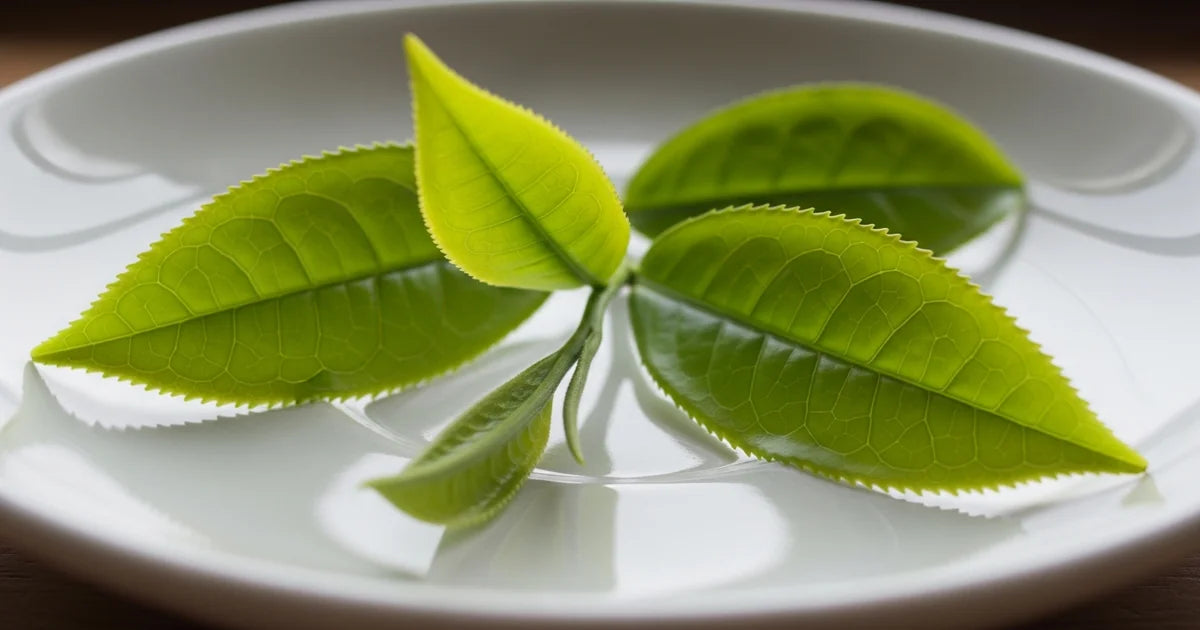
Explore the health benefits of green tea ingredients, from amino acids to polyphenols, and how they enhance well-bein...
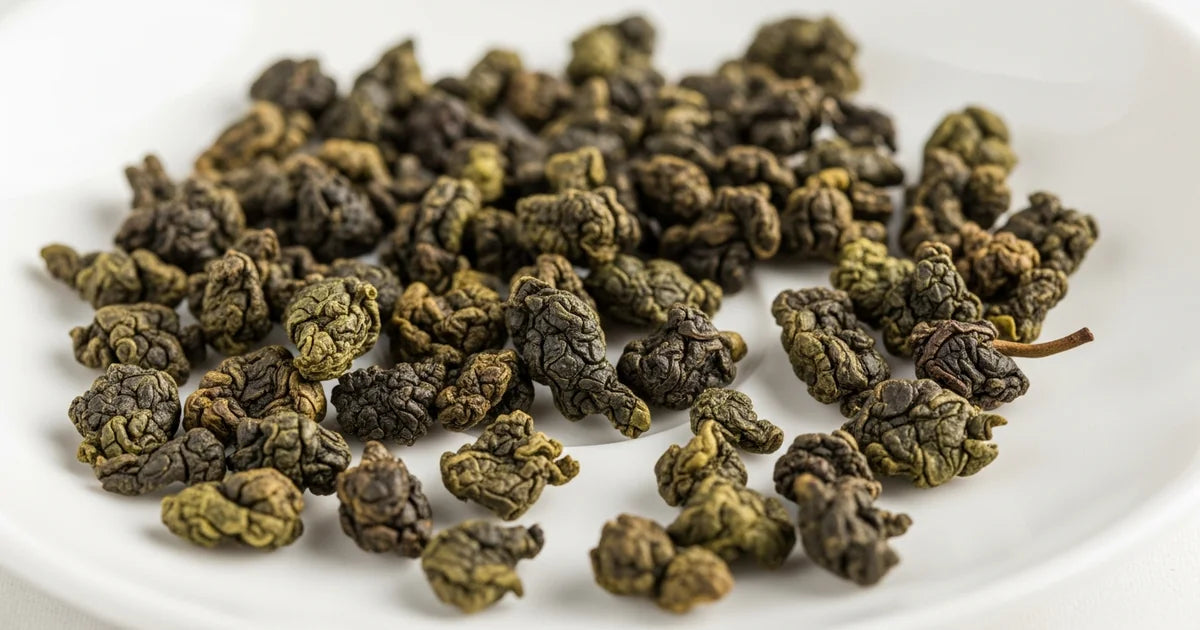
Discover the ingredients in oolong tea and how they contribute to its flavor, aroma, and color. Oolong tea contains c...
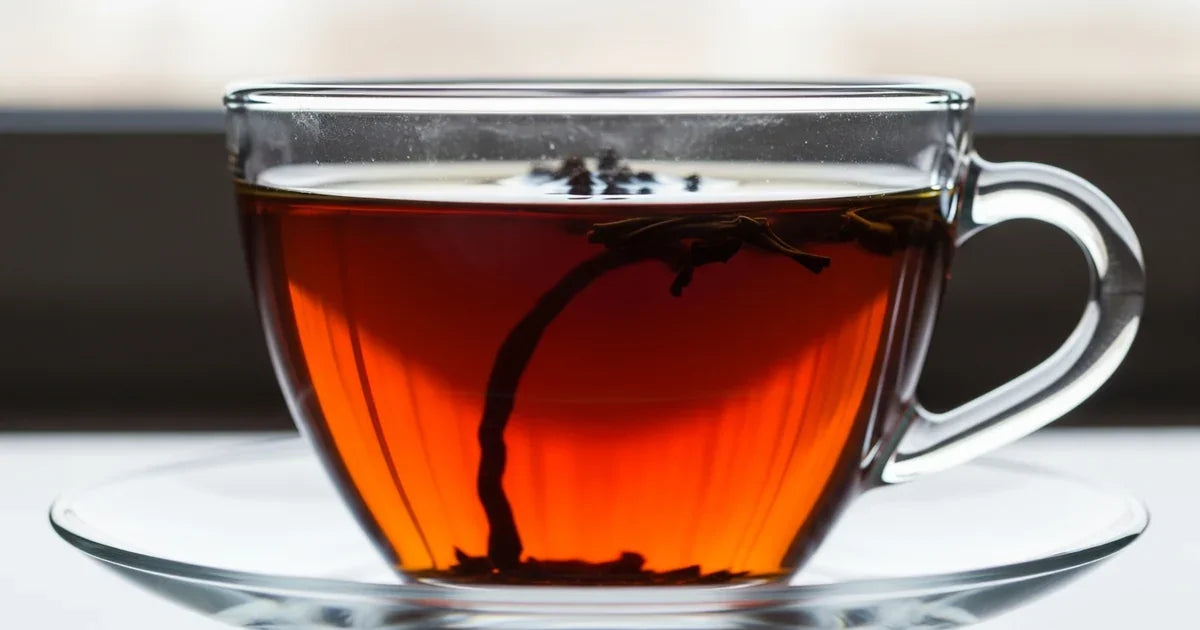
Black tea is fermented and contains catechin, caffeine, amino acids, and aroma components. Fresh tea leaves contain v...
When you whisk Matcha and that layer of fine foam forms on the surface, saponin is part of why. It is not the only re...
From reading to drinking
Handcrafted teaware from seven Japanese kilns — and the stories of the people who make it.